Turning sour gas into hydrogen
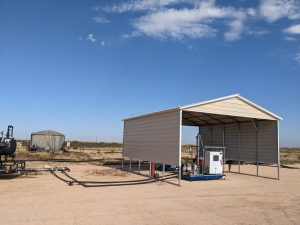
Thiozen Inc. has piloted a patented thermochemical process that removes hydrogen sulphide from sour gas while converting it into hydrogen.


Thiozen Inc. has piloted a patented thermochemical process that removes hydrogen sulphide from sour gas while converting it into hydrogen.
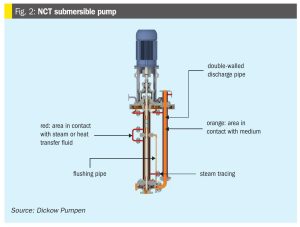
Liquid sulphur is a critical industrial feedstock, but its safe transfer is technically demanding. Dickow Pumpen maintains that reliable handling depends on a whole-system approach – integrating heating, piping, sealing, and operating procedures.
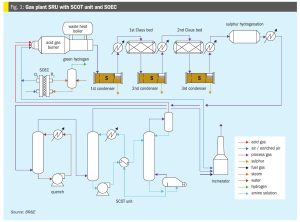
Rising hydrogen sulphide levels from souring reservoirs and high-sulphur crude oils are turning sulphur recovery units into major throughput bottlenecks in both gas plants and refineries. Bryan Research & Engineering presents oxygen enrichment as a practical debottlenecking strategy, with water electrolysis – especially alkaline water electrolysis and, to a lesser extent, solid oxide electrolysis – offering promising oxygen supply options.

CRU and UniverSUL Consulting are expanding the reach of the Middle East Sulphur Conference (MEScon) with the launch of MEScon Connect: Central Asia 2026, taking place from 9–11 June, at the InterContinental Almaty hotel, Kazakhstan.
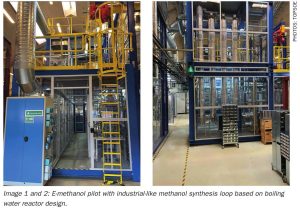
Topsoe explains how to avoid challenges and choose the optimal solutions for e-methanol plants based on CO2 feedstocks, electrolytic hydrogen and renewable power.
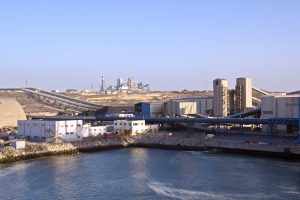
Stephen B Harrison of sbh4 consulting outlines the options for decarbonising diammonium phosphate (DAP).

In sulphur handling facilities, deviations in product consistency are often an indication of issues impacting not only the quality of end product, but also the production process itself. In this article, IPCO explains why shape and quality really do matter.
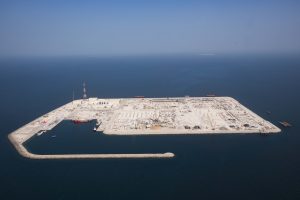
Sulphur production continues to expand in the Middle East and East and South Asia both from new refineries and major sour gas projects.

A review of papers presented at this year’s Sulphur World Symposium, held by The Sulphur Institute (TSI) in Vancouver, Canada this year from April 28 to 30.
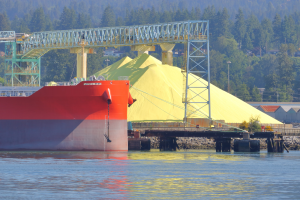
Policy decisions and geopolitical shocks are now the dominant drivers of sulphur and phosphate fertilizer markets, overriding more traditional seasonal fundamentals. The conflict in the Middle East, including the escalation around Iran, has tightened sulphur availability and lifted costs sharply, while China’s export restrictions continue to restrict global phosphate supply.