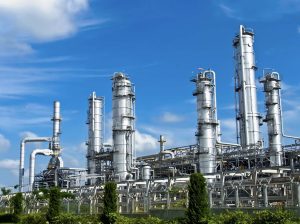
Lower site emissions and energy costs
Siemens explains how digital process twins and real-time optimisation can be used to achieve significant cost savings and reduce emissions at industrial sites.


Siemens explains how digital process twins and real-time optimisation can be used to achieve significant cost savings and reduce emissions at industrial sites.
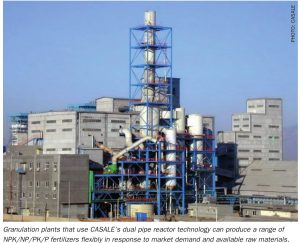
Cover story! CASALE's Gabriele Marcon outlines how integrated fertilizer production can support global food security.
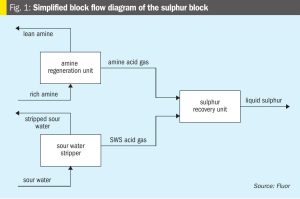
Efficient sulphur recovery is essential for modern refineries to meet stringent environmental regulations and support sustainability goals. Fluor examines the key design considerations, smart design strategies and flexible sulphur block configurations that are essential in achieving an overall optimised design. Together, these strategies enhance efficiency, reduce emissions, improve reliability, and provide flexibility for changing crude qualities, ensuring compliant and economically robust refinery operations.

We celebrate the life and career of renowned agronomist Dr Patricia Imas by looking back at her insightful articles from the last decade.

CRU's Arina Syrdybayeva looks at the dynamics of the high growth ammonium sulphate market.
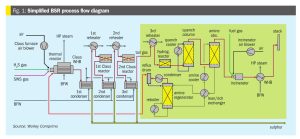
Worley Comprimo has carried out an evaluation of technologies allowing 99.8+% sulphur recovery for an Indian refinery case. The TopClaus process was compared to alternative technologies, focussing on modern technical challenges, investment operation and maintenance costs, as well as CO2 considerations.
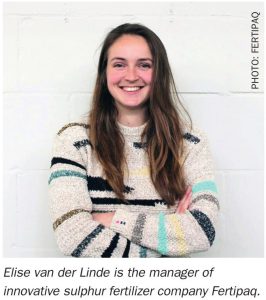
We speak to Elise van der Linde, Fertipaq’s manager, about their latest product launch.

Kent Martin and Rafael Garcia-Martinez outline how elemental sulphur can benefit the agronomic performance of fertilizers and logistical efficiency.

Foliar products deliver a range of benefits for flower producers, reports Levity Crop Science in new trials results.
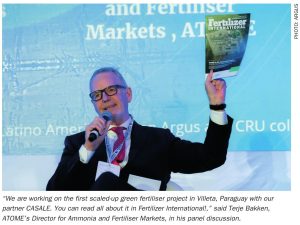
Selected highlights from this year's three-day conference.