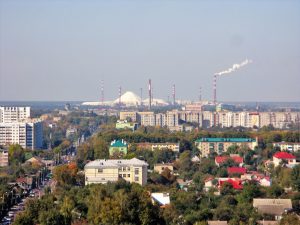
Phosphogypsum for clinker production: delivering a circular economy solution
A new treatment process from thyssenkrupp Uhde converts phosphogypsum into a valuable feedstock for clinker production and can generate sulphuric acid.


A new treatment process from thyssenkrupp Uhde converts phosphogypsum into a valuable feedstock for clinker production and can generate sulphuric acid.
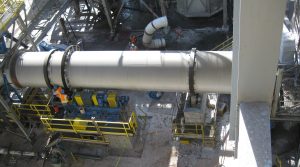
Shane Le Capitaine, Process Sales Engineer, FEECO International, provides a practical guide to rotary dryer efficiency at potash plants.

Cover story! Federico Zardi, CASALE's CEO, talks to Fertilizer International about legacy, leadership and navigating the energy transition.
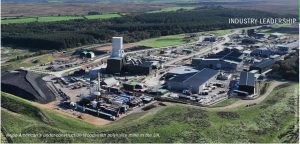
Fertilizer International interviews Mike Garnett, the Chief Commercial Officer of Anglo American Crop Nutrients, ahead of IFA's Annual Conference in June.
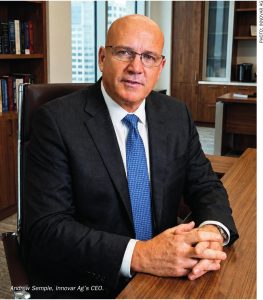
We interview Andrew Semple, the CEO of Innovar Ag, about his career contribution in developing the market for enhanced efficiency fertilizers.

We compare and contrast the 2025 financial performance of selected major fertilizer producers.
Water-soluble fertilizers are the standout performer in a new assessment of global specialty fertilizer demand by the International Fertilizer Association (IFA).

Controlled-release fertilizers (CRFs) can help food processors and consumer packaged goods (CPG) companies cut their Scope 3 emissions.
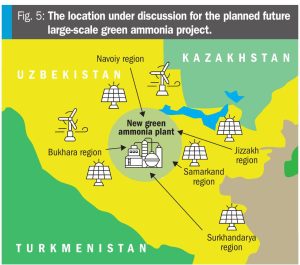
A summary of Uzbekistan’s industrial baseline, historical operational experience with electrolysis, the 2025 green hydrogen pilot at Chirchiq, and the current outlook for scaling green ammonia production.
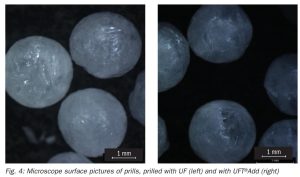
thyssenkrupp Uhde Fertilizer Technology) has developed a series of formaldehyde-free additives, UFT®Add, which keeps solid urea free-flowing during transport and storage, enabling compliant automotive grade urea production.