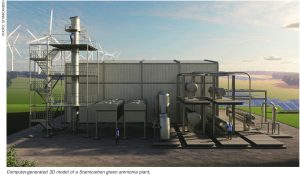
Sustainable ammonia production
Stamicarbon explores how blue and green ammonia technologies can enable scalable, lower carbon production for fertilizer and energy applications.


Stamicarbon explores how blue and green ammonia technologies can enable scalable, lower carbon production for fertilizer and energy applications.
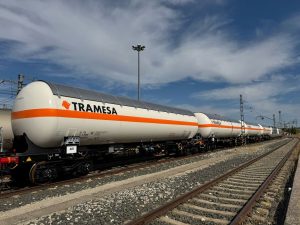
Rail, road, ship or pipelines all bring different benefits and risks to long distance transport of ammonia, but the fundamentals of ammonia safety remain a constant.
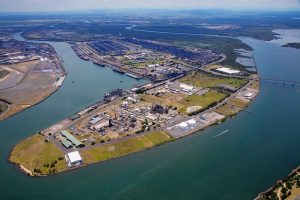
The Ukraine war and associated tariffs and the EU’s carbon pricing system are keeping ammonium nitrate prices high.
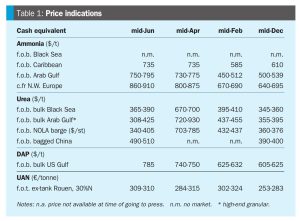
Ammonia values have continued to ease across most regions at the end of June, as the first ammonia vessels begin to exit the Gulf since the Iranian conflict began. Iranian ammonia had also begun to flow to India following the US Treasury’s issuance of a 60-day sanctions waiver on 22 June, allowing dollar-denominated trade in Iranian petrochemical products through 21 August. As a result, Indian bids have been heard as low as $750/t c.fr, as buyers benefit from a widening pool of available supply - Iranian, Chinese and renewed Southeast Asian material are all competing for the same business.
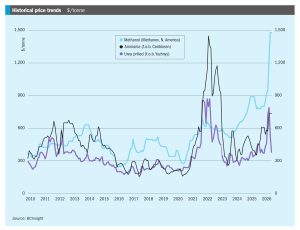
• Ammonia prices are expected to maintain their current downward trajectory, with the pace of correction likely to accelerate as the supply picture improves. Confirmed trades at materially lower levels remain limited, but the direction of sentiment is clearly softer.
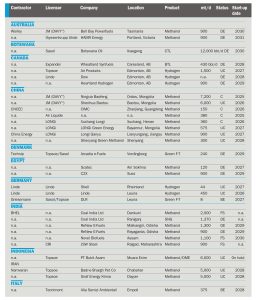
A round-up of current and proposed projects involving non-nitrogen synthesis gas derivatives, including methanol, synthetic/substitute natural gas (SNG) and gas- and coal to liquids (GTL/CTL) plants.
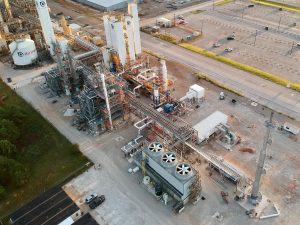
Air Liquide explains the key features and benefits of GasPOx, a catalyst-free syngas platform that enables cost-efficient, low-carbon production from diverse feedstocks with minimal pretreatment.
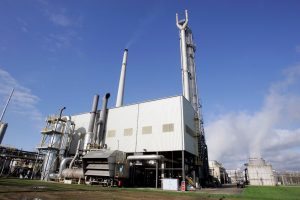
Stamicarbon outlines key strategies and considerations for successful nitric acid plant revamps, including capacity enhancement, emission control, energy optimisation, and safety improvements.
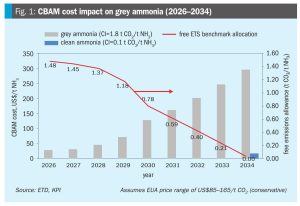
VK Arora of Kinetics Process Improvements (KPI) compares the delivered-cost competitiveness of blue ammonia from regions including the US Gulf Coast, Western Canada, Atlantic Canada, the Middle East, Indonesia, and Malaysia into Japan, the European Union, and South Korea.
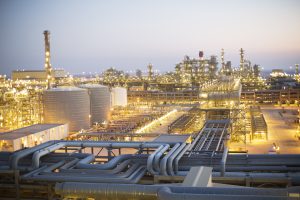
Selecting the right syngas technology is a critical early decision for low-carbon hydrogen and ammonia projects. Shell shows how gas-based partial oxidation (POx) can offer a potentially simpler and lower-cost route designed to deliver high carbon capture performance.