• Skip to main content

    Sulphur 422 Jan-Feb 2026

    Sulphur ban extended


    RUSSIA

    Sulphur ban extended

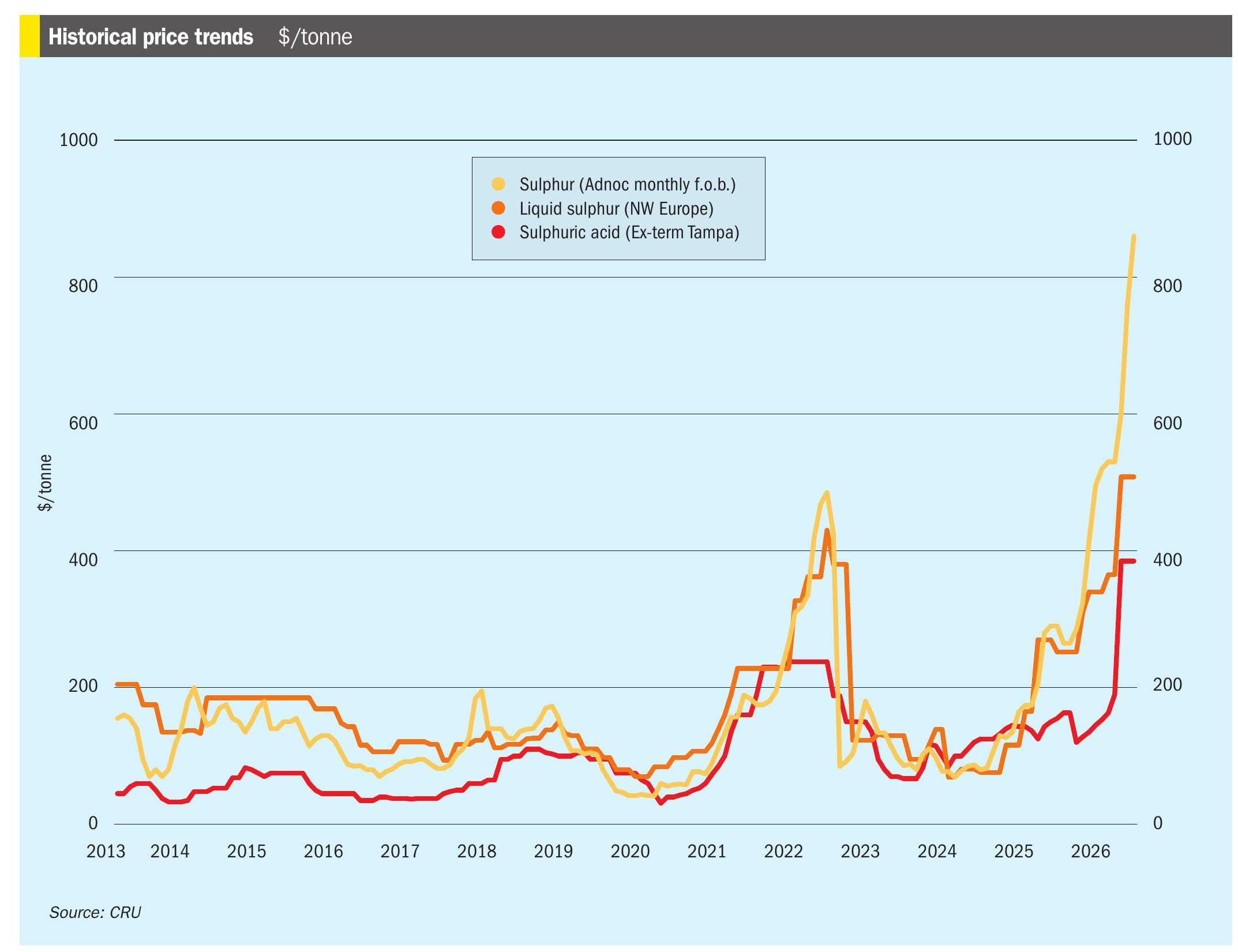
    At the end of December, the Russian government extended its ban on the export of technical sulphur until at least the end of March 2026. The move prolongs the initial restrictions, which were first reported on 4 November and which were set to expire at the end of 2025. The initial ban was widely expected and followed early September drone strikes on the Astrakhan and Orenburg natural-gas plants. The official justification for the extension remains to “stabilise shipments of raw materials to the domestic market” and maintain production volumes for mineral fertilizers, according to the government’s press service Interfax.

    The restrictions apply to liquid, granulated, and lump sulphur. A number of exemptions to the ban remain in place. Deliveries to fellow Eurasian Economic Union (EAEU) members, Abkhazia, and South Ossetia are still permitted. The decree also clarifies that the restrictions do not apply to humanitarian aid, international transit shipments, or supplies for Russian operations on the Svalbard archipelago. Crucially, the specific exemption for international transit means that shipments of material from other origins, such as Kazakhstan, passing through Russian ports, have not been affected by the ban.

    Latest in Industrial

    Price Trends

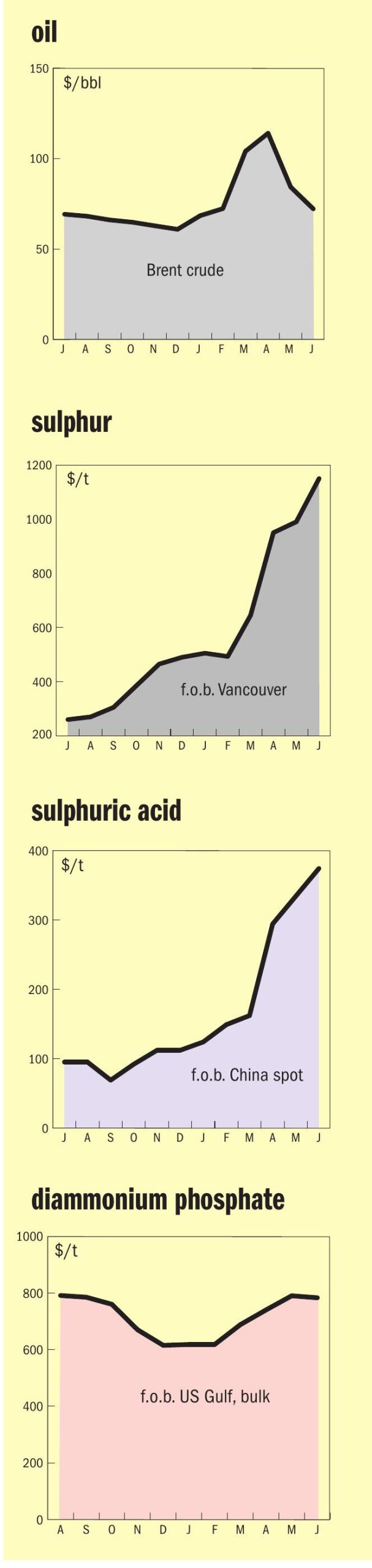
    The global sulphur market has entered a holding pattern, as a wave of bearish sentiment has so far failed to move stubbornly high spot prices. The departure of a significant volume of product from the Middle East has emboldened buyers and shifted market sentiment firmly towards bearish, but at time of writing this has so far failed to translate into lower prices. With sellers in no hurry to lower prices and spot availability still tight, the market has stalled as both sides wait for the other to blink first.

    Restart for Hongda smelter

    Hongda's 100,000 t/a zinc smelter, in China's Sichuan Province, completed scheduled maintenance and equipment upgrading and officially resumed production on 21st June, the company said. The smelter had been shut down for planned maintenance since January, during which time a modernisation project for the electrolytic zinc smelting system was also carried out. Following the nearly six-month revamp, the resumption of production is expected to improve overall operational efficiency, reduce unit production costs, and increase the utilisation rate, The company said. The stable supply of sulphuric acid generated by the zinc smelter will effectively leverage the synergies of the "sulphur-phosphorus" industrial chain in the company, an help alleviate cost pressures on the company's phosphorus chemical business segment.