Africa

Indorama to invest $525 million in Egyptian phosphate complex

Written by Natalie Noor-Drugan


Indorama Corporation has signed a contract to establish a phosphate fertilisers and chemicals complex in Egypt, with an initial investment of $525 million, in partnership with Misr Phosphate.

The facility, to be known as Indorama Egypt Fertilizers, will be developed within the Suez Canal Economic Zone in the Ain Sokhna Industrial Area, on a 522,000 square metre site. The first phase will have a production capacity of up to 600,000 t/a of phosphate fertilisers and related chemical products, with approximately 80% of output destined for export. The project will deploy what Indorama describes as “best-in-class technology, equipment, and process know-how,” drawing on the group’s experience in developing large-scale fertiliser facilities.
The project is expected to create up to 2,500 roles during operations and approximately 500 construction-phase jobs. Indorama expects to achieve financial close in 2026. The International Finance Corporation (IFC) and the European Bank for Reconstruction and Development (EBRD) have been mandated to lead debt syndication, alongside participation from the group’s global relationship commercial banks.

Growing African fertiliser presence

Singapore-headquartered Indorama Corporation is a global producer of essential materials, including fertilisers, polymers, fibres, yarns and medical gloves. In Africa, the group already operates two major fertiliser businesses. Its Nigerian subsidiary, Indorama Eleme Fertilizer & Chemicals, is the largest urea producer on the continent with capacity of 2.8 million t/a, with a further large-scale urea plant expected to be commissioned in the coming months. Its Senegalese subsidiary, Industries Chimiques du Sénégal (ICS), acquired in 2014, is currently undertaking a $210 million expansion programme that will increase NPK and DAP output at its Mbao plant from 250,000 to 400,000 t/a, add a new 350,000 t/a single superphosphate unit, and raise phosphoric acid production at Darou to 660,000 t/a. Once the Egypt plant is operational, Indorama says its total annual production capacity will reach 13 million tonnes.

Beyond Africa, the group produces phosphate fertilisers at its Haldia site in West Bengal, India and urea at its Jagdishpur site in Uttar Pradesh, and operates two fertiliser businesses in Uzbekistan — JSC Indorama Kokand Fertilizers and Chemicals and JSC FerganaAzot.

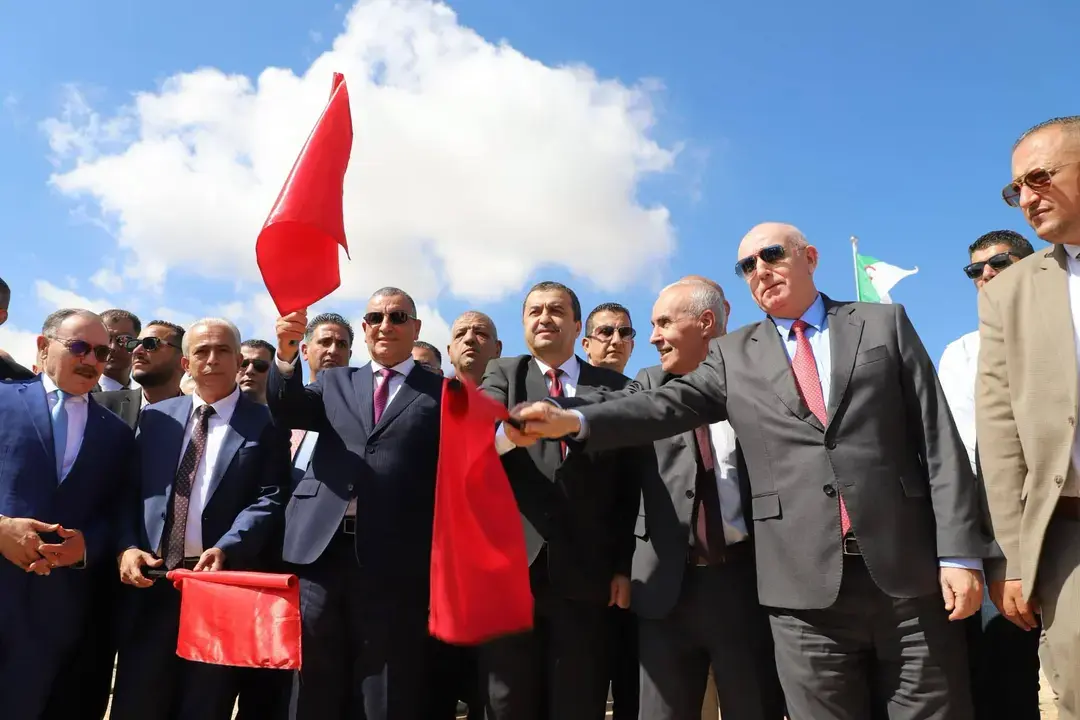
The contract was signed by Mukul Agrawal, Country Head – Egypt, Indorama Corporation, and witnessed by Egyptian Prime Minister Mostafa Madbouly, alongside Minister of Petroleum and Mineral Resources Karim Badawi and Walid Gamal El-Din, Chairman of the Suez Canal Economic Zone.

Madbouly described the project as “a qualitative addition to Egypt’s strategic industries, particularly in fertilizers and mineral resource-based sectors.” Gamal El-Din said it “reflects the success of the General Authority for the Suez Canal Economic Zone in attracting specialized industrial investments with high capital and technological intensity.”

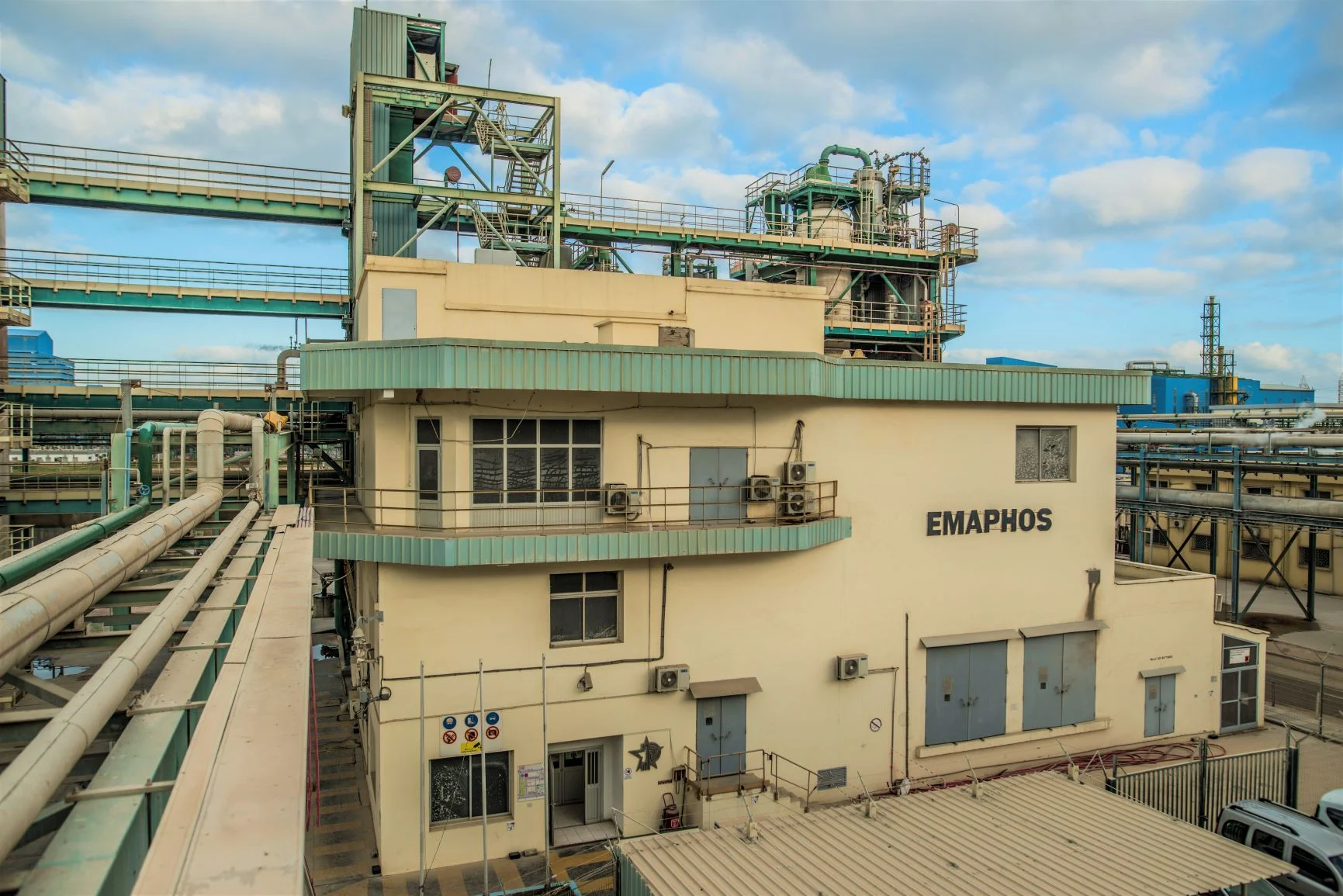
Image: Indorama Eleme Fertilizer & Chemicals in Nigeria, Image courtesy of Indorama Group.

Latest in Africa

Agreement signed with green ammonia developer

The government of Morocco has signed an agreement with the ORNX consortium to advance a $4.5 billion green ammonia project in the southern city of Laayoune, as part of Morocco’s ambitions to become a global hub for green hydrogen and derivatives. The development combine wind and solar electricity generation with hydrogen from electrolysis to feed green ammonia production. Under the terms of the agreement, more than 2 GW of renewable energy capacity will be installed, feeding 900 MW of electrolysers producing green hydrogen. To ensure operational stability and continuous output, the facility will also incorporate battery energy storage systems. In addition, a seawater desalination plant will be constructed to provide the purified water required for hydrogen production, addressing resource constraints in the arid coastal region. During its initial phase, the complex is expected to generate around 100,000 t/a of green hydrogen, which will allow the production of 560,000 t/a of green ammonia. The ammonia will be used both domestically in ammonium phosphate production as well as being exported internationally.