Africa

Minbos secures full funding package for Angola phosphate plant

Written by Natalie Noor-Drugan


Australian-listed Minbos Resources has received a debt terms sheet for an AOA 5 billion ($5.48 million) facility from Banco de Fomento Angola (BFA), which together with a previously established $16 million facility from the Industrial Development Corporation of South Africa (IDC), provides sufficient funding to complete construction of its Cabinda Phosphate Fertilizer Plant, according to the company.

The BFA facility carries a 7.5% interest rate, a seven-year tenor and a two-year principal repayment holiday, and is structured under an Angolan Central Bank credit programme supporting the industry and processing of fertilisers and soil amendment materials. Definitive documentation remains to be finalised before financial close.
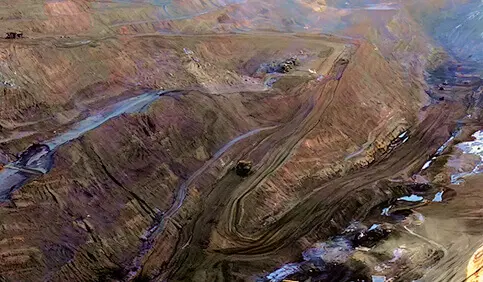
Construction progress

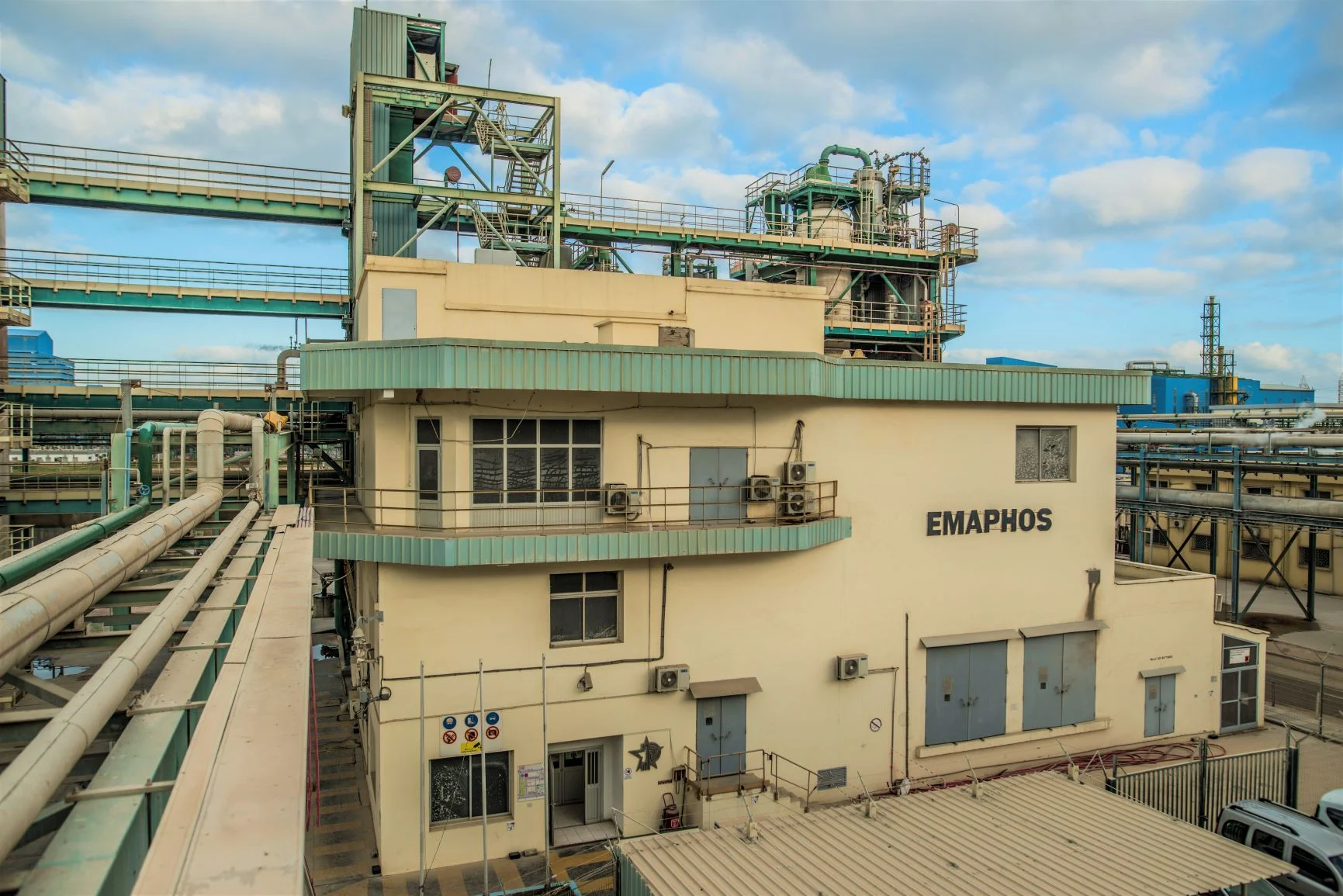
Phase 1 civil works — including the pouring of the main structural concrete slab at the Subantando plant site — has been completed. Phase 2, covering structural, mechanical, electrical and instrumentation works and culminating in commissioning, is subject to final contract negotiations, with mobilisation targeted for the second quarter of 2026 to coincide with first drawdown of the IDC facility. The plant is designed with an initial production capacity of 150,000 t/a of enhanced phosphate rock, with capability to expand to 450,000 t/a.

Product development and field trials

Angola currently imports all of its fertilisers — 129,990 tonnes in 2025 according to the Angolan Ministry of Agriculture and Forestry — and smallholder farmers, who account for approximately 90% of the country’s agricultural output, have limited access to imported inputs.

Once operational, the plant intends to produce PRIMEIRO, a direct-application phosphate rock fertiliser to be derived from Minbos’ Ccata deposit in Cabinda. Trial quantities of the product, extracted during the development phase, have been used in field trials on Angolan soils, recording yield increases of up to 80% on phosphorus-deficient plots in 2025. Minbos has also entered into a heads of agreement with Fertiafrica for exclusive granulation services in Benguela, which would enable conversion of phosphate rock into granulated NPK fertilisers once production commences.

Green ammonia project

In August 2025, Minbos signed a binding agreement with Talus Renewables to jointly develop a Capanda Green Ammonia Project, which would leverage Angola’s low-cost hydropower to produce export-grade green ammonia targeting European and regional markets. First production is targeted for Q1 2028, subject to successful bid outcomes and completion of a joint venture structure.

Financial position

Minbos ended the 2025 financial year with cash of $2.29 million, down from $12.86 million at end-2024, reflecting ongoing construction expenditure. The company’s auditors flagged a going concern note in the annual report, citing the gap between available cash and estimated capital requirements. The directors said they are satisfied that additional funds can be raised as required.

Latest in Africa

Agreement signed with green ammonia developer

The government of Morocco has signed an agreement with the ORNX consortium to advance a $4.5 billion green ammonia project in the southern city of Laayoune, as part of Morocco’s ambitions to become a global hub for green hydrogen and derivatives. The development combine wind and solar electricity generation with hydrogen from electrolysis to feed green ammonia production. Under the terms of the agreement, more than 2 GW of renewable energy capacity will be installed, feeding 900 MW of electrolysers producing green hydrogen. To ensure operational stability and continuous output, the facility will also incorporate battery energy storage systems. In addition, a seawater desalination plant will be constructed to provide the purified water required for hydrogen production, addressing resource constraints in the arid coastal region. During its initial phase, the complex is expected to generate around 100,000 t/a of green hydrogen, which will allow the production of 560,000 t/a of green ammonia. The ammonia will be used both domestically in ammonium phosphate production as well as being exported internationally.