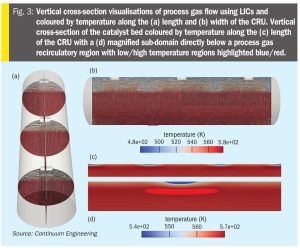
Analysis of a Claus catalytic reactor unit
Multiphase multiphysics simulation-based analysis of an industrial-scale Claus catalytic reactor predicts improved performance resulting from the inclusion of inlet flow deflection plates.


Multiphase multiphysics simulation-based analysis of an industrial-scale Claus catalytic reactor predicts improved performance resulting from the inclusion of inlet flow deflection plates.
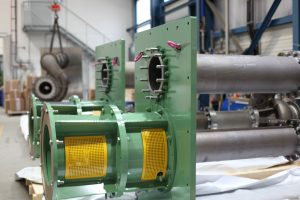
With the delivery of ten sulphuric acid pumps and a mobile tank drainage pump for a large zinc smelter in Central Asia, Rheinhütte Pumpen highlights its expertise in handling highly concentrated sulphuric acid – from alloy development and engineering to comprehensive testing on one of the most advanced pump test stands in the world.
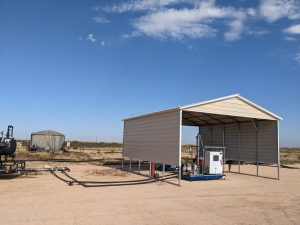
Thiozen Inc. has piloted a patented thermochemical process that removes hydrogen sulphide from sour gas while converting it into hydrogen.
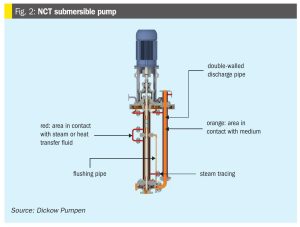
Liquid sulphur is a critical industrial feedstock, but its safe transfer is technically demanding. Dickow Pumpen maintains that reliable handling depends on a whole-system approach – integrating heating, piping, sealing, and operating procedures.
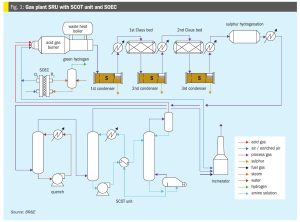
Rising hydrogen sulphide levels from souring reservoirs and high-sulphur crude oils are turning sulphur recovery units into major throughput bottlenecks in both gas plants and refineries. Bryan Research & Engineering presents oxygen enrichment as a practical debottlenecking strategy, with water electrolysis – especially alkaline water electrolysis and, to a lesser extent, solid oxide electrolysis – offering promising oxygen supply options.
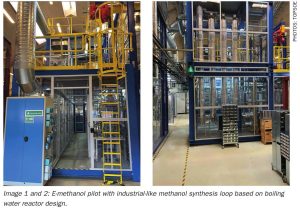
Topsoe explains how to avoid challenges and choose the optimal solutions for e-methanol plants based on CO2 feedstocks, electrolytic hydrogen and renewable power.
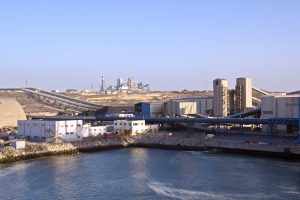
Stephen B Harrison of sbh4 consulting outlines the options for decarbonising diammonium phosphate (DAP).

In sulphur handling facilities, deviations in product consistency are often an indication of issues impacting not only the quality of end product, but also the production process itself. In this article, IPCO explains why shape and quality really do matter.
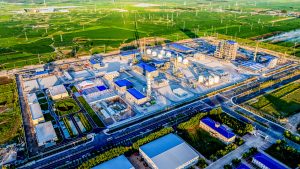
For many years confined to pilot projects and feasibility studies, biomass based gasification is seeing rapid take up in China for methanol production and may mark a new era in syngas generation.

Chinese companies Sungrow Hydrogen and CRRC Zhuzhou say that they have secured electrolyser supply contracts for the first phase of a geothermal-powered hydrogen and ammonia project in Olkaria, Kenya, developed by Chinese firm Kaishan Group. Kaishan signed a steam supply agreement with state utility KenGen in October 2025, under which KenGen will supply steam from existing geothermal wells for Kaishan to generate 165MW of electricity to power the electrolysers. Chinese firm Wuhuan Engineering is serving as engineering, procurement and construction contractor. Works on the site began in November 2025.