• Skip to main content

    Magazine: Sulphur

    Sulphur plant tail gas incineration options

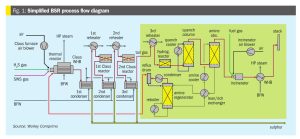
    Sulphur recovery units in petroleum refineries and natural gas processing plants utilise incineration as a final treatment step for tail gas, ensuring that residual sulphur compounds are converted to less harmful emissions. Elmo Nasato of Nasato Consulting Ltd compares the two sulphur plant incinerator options – thermal incineration and catalytic incineration – including key considerations for policymakers, businesses, and environmental advocates.

    The secrets of successful sulphur strategies

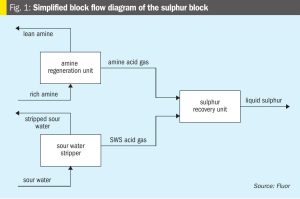
    Efficient sulphur recovery is essential for modern refineries to meet stringent environmental regulations and support sustainability goals. Fluor examines the key design considerations, smart design strategies and flexible sulphur block configurations that are essential in achieving an overall optimised design. Together, these strategies enhance efficiency, reduce emissions, improve reliability, and provide flexibility for changing crude qualities, ensuring compliant and economically robust refinery operations.

    Feedstock allocation for fourth phosphate plant

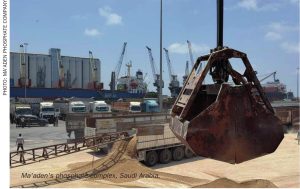
    The Saudi Arabian Mining Company (Ma’aden) says that the Ministry of Energy has approved the allocation of feedstock for its fourth phosphate project. This project aims to produce approximately 1.1 million t/a of ammonia and increase the production of phosphate and specialty fertilizers by about 2.5 million t/a, raising the company’s total production capacity to nearly 12 million t/a. This will further solidify Ma’aden’s position as one of the world’s largest producers of phosphate fertilizers, according to a company statement. Ma’aden will now commence engineering studies and obtain the necessary approvals.

    SRU commissioned at Petrobrazi refinery

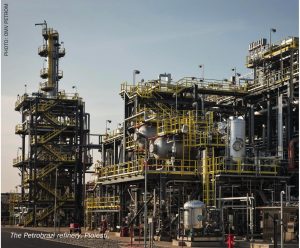
    Romanian oil and gas group OMV Petrom has commissioned a new sulphur recovery unit at its Petrobrazi refinery, near the southern city of Ploiesti. Development work on the new SRU began in 2023, and represents the second at the site, treating acid gas produced during the refining process. The euro 45 million investment is part of euro 2 billion of improvements that have been made over the past 20 years as part of the company’s strategy to modernise its refining capabilities, aiming to reduce environmental impact. Last year, the company said it would invest around euro 750 million to build several sustainable fuel plants at the refinery, which are expected to become operational in 2028.