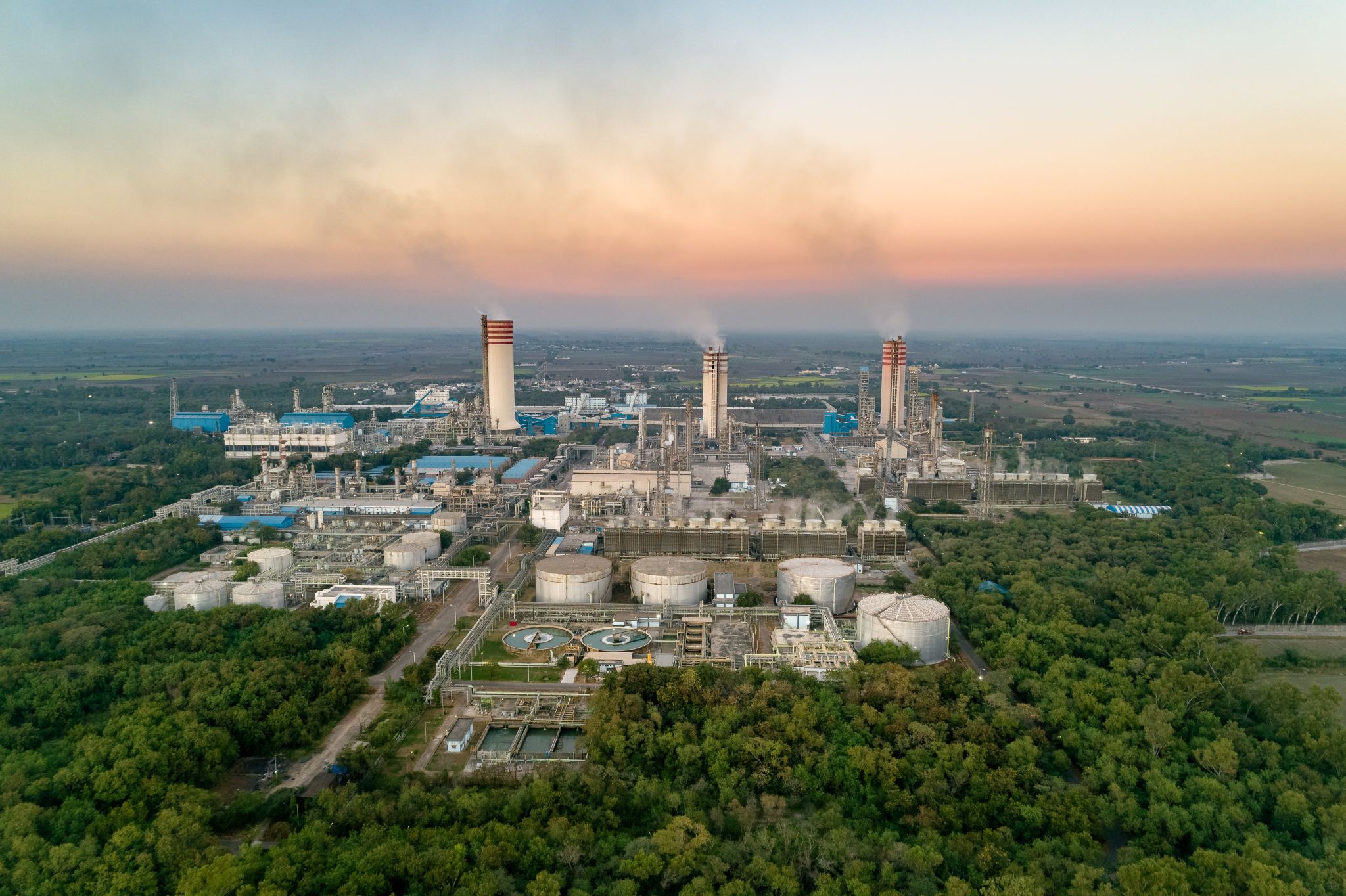
OCP’s recent award of a contract to Worley Chemetics for three new greenfield sulphuric acid plants has confirmed the phosphate giant’s plans for its new Mzinda Phosphate Hub in Morocco, one of the largest investments in new phosphate capacity anywhere in the world over the next few years. It is part of a number of new investments under way in Morocco as OCP continues to expand its already considerable phosphate facilities. Three new fertilizer lines came onstream at Jorf Lasfar in 2023 and 2024, each with a capacity of 1 million t/a of diammonium phosphate (DAP). The Mzinda mega-project will add another 4 million t/a of triple superphosphate (TSP) capacity by around 2028-29, and will relieve some of the issues that OCP has in importing ammonia for DAP production, as TSP only requires phosphate rock and phosphoric acid. There is also an additional 1 million t/a of TSP capacity under construction at Jorf Lasfar, which is expected to be completed next year, and OCP also announced last year that it would build an integrated purified phosphoric acid (PPA) plant at Jorf Lasfar. The first phase of the project consists of 200,000 t/a of P2 O5 pretreated phosphoric acid capacity, 100,000 t/a (P2 O5 ) of PPA capacity, and 100,000 t/a of technical MAP (tMAP) capacity. The site will also be home to downstream production of phosphate salts and lithium iron phosphate (LFP) capacities. The initial plants will be delivered starting in mid-2026, carrying through into 2029, constructed in conjunction with JESA, a joint venture between OCP and Worley.