Nitrogen+Syngas 399 Jan-Feb 2026

27 January 2026
Woodside Beaumont produces first ammonia
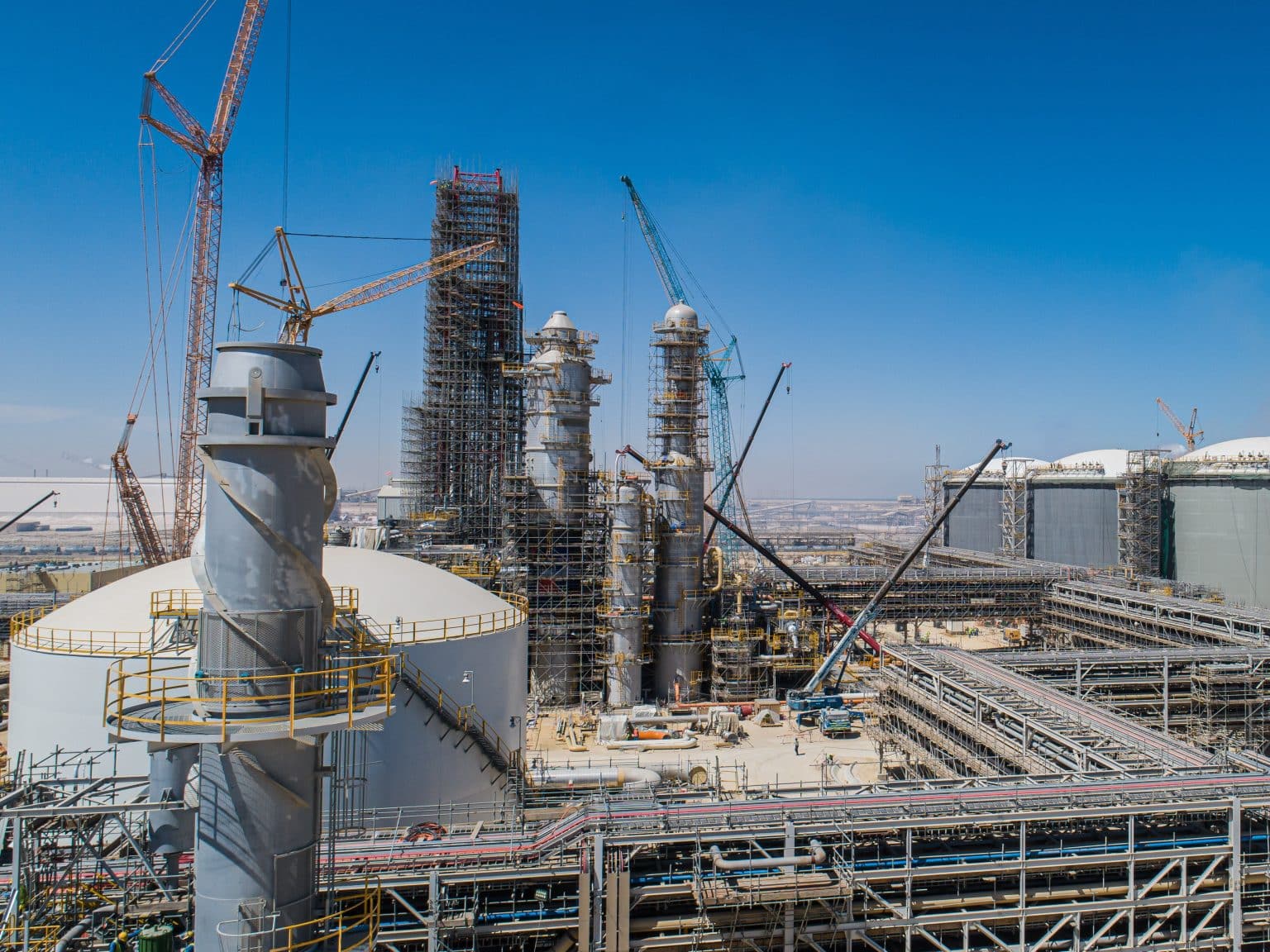
Woodside Energy says that its Beaumont New Ammonia (BNA) facility in southeast Texas has begun production of ammonia following the completion of systems testing, representing the first phase of operations commissioning of the facility. Commercial production of ammonia from BNA is expected to begin following the handover to Woodside Energy from OCI Global in early 2026. Production of lower-carbon ‘blue’ ammonia is targeted to start in the second half of 2026. Woodside says it has also finalised agreements with leading global customers to supply significant volumes of conventional ammonia from the BNA facility. Deliveries will commence in 2026 and continue through year-end, under contracts that reflect prevailing market prices. Additional agreements are being advanced to align with expected BNA output, including for lower-carbon ammonia.
Woodside Beaumont New Ammonia vice president Kellyanne Lochan said: “We are pleased with the results of the commissioning and systems testing completed to date. These outcomes confirm the facility’s production readiness and our ability to move toward commercial start-up following handover. This milestone also reflects the disciplined work of both the OCI and Woodside teams.”
In the lead-up to handover, the project will continue with additional verification, performance testing, and operational preparedness activities. OCI and Woodside say that they remain focused on ensuring the facility safely and efficiently enters full operations, in line with regulatory and contractual requirements. BNA has a production capacity of 1.1 million t/a and is designed to support growing demand for ammonia, lower-carbon ammonia and hydrogen-adjacent products.