• Skip to main content

    Asia

    Uhde wins BFI export infrastructure FEED contract

    Written by Natalie Noor-Drugan


    Germany’s thyssenkrupp Uhde has been selected by Brunei Fertilizer Industries (BFI) to execute the Front End Engineering Design (FEED) for a major expansion of the Bruneian producer’s ammonia handling and export infrastructure.

    The scope covers the design of a new cryogenic ammonia storage tank, a dedicated ammonia export facility, jetty integration and ship-loading systems to enable large-scale exports to global markets. Uhde India will contribute its cryogenic storage and ammonia logistics expertise, combined with thyssenkrupp Uhde’s proprietary uhde® ammonia technology.

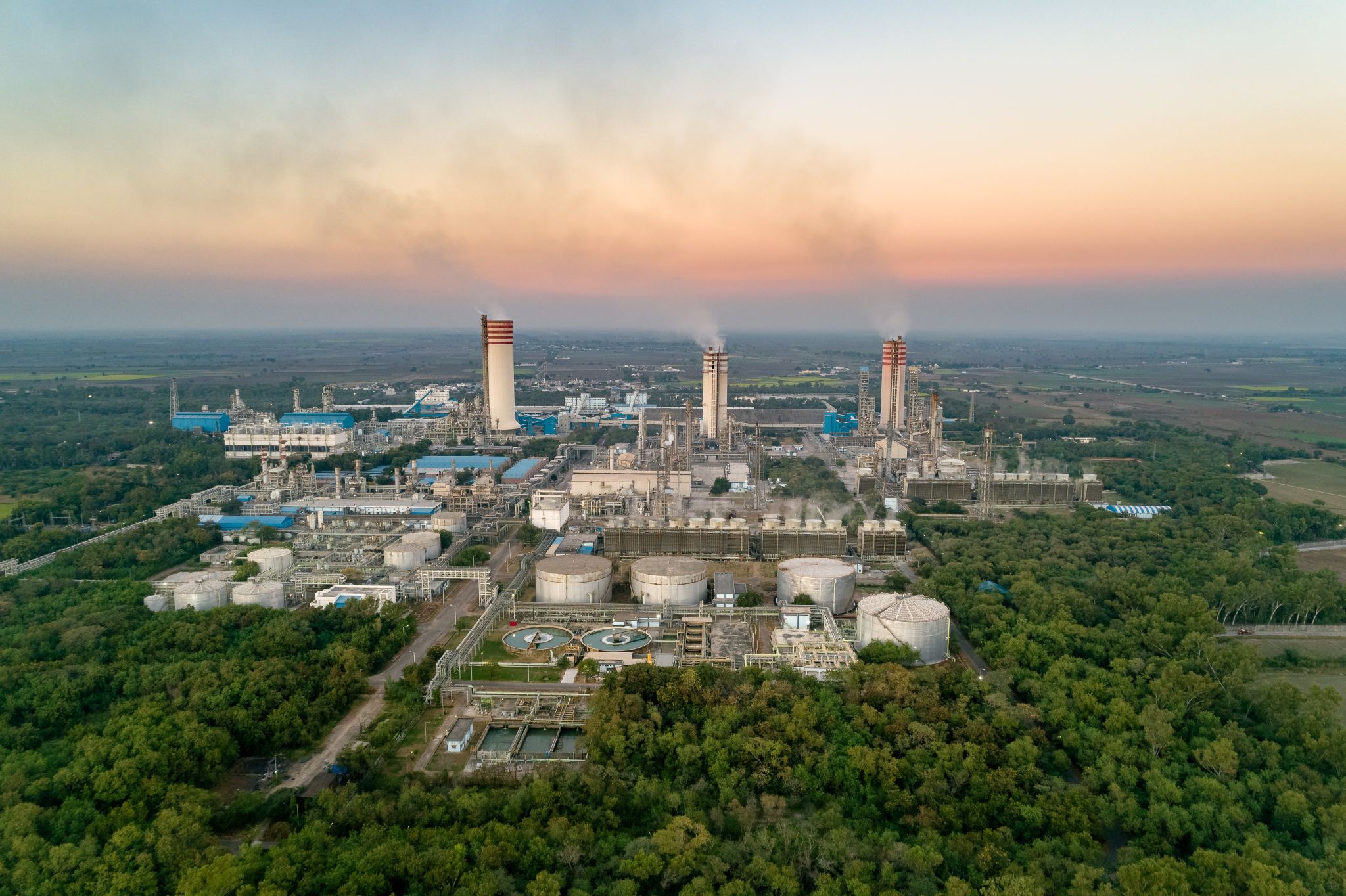
    The award builds on an established partnership. thyssenkrupp Uhde previously delivered the full BFI complex in Sungai Liang Industrial Park — one of Southeast Asia’s most modern fertiliser plants — comprising an ammonia plant with daily capacity of 2,200 t/d, a urea plant of 3,900 t/d capacity, and a urea granulation plant of equivalent capacity.

    “BFI is an important partner for us in Asia, and this new FEED award underlines their confidence in our engineering capabilities,” said Nadja Håkansson, Member of the Executive Board and COO of thyssenkrupp Decarbon Technologies and CEO of thyssenkrupp Uhde. “By supporting the expansion of their export infrastructure, we are helping to further unlock Brunei’s potential in the ammonia market and increase their contribution to global food security.”

    BFI is wholly owned by the Government of Brunei and operates from a 55-hectare site in the Belait District. Its output is primarily directed at export markets. Harri Kiiski, CEO of BFI, said the new facilities “will enhance our competitiveness and open new market opportunities worldwide,” adding that BFI is committed to contributing to “Brunei’s role in the global fertilizer and energy transition landscape.”

    As well as its core role as a nitrogen fertiliser feedstock, ammonia is attracting growing interest as a potential low-carbon energy carrier, positioning BFI’s expanded export capability across both the agricultural and energy transition supply chains.

    Image: Brunei Fertilizer Industries (BFI), Image courtesy of thyssenKrupp Uhde.

    Latest in Asia

    Nickel Industries starts up ENC acid plant

    Nickel Industries announced started up the sulphuric acid plant at its new Excelsior Nickel Cobalt (ENC) HPAL project in the final week of June. The ENC Project is a massive, multi-billion dollar high-pressure acid leach (HPAL) facility located in the Indonesia Morowali Industrial Park (IMIP) in Central Sulawesi, Indonesia. It is operated by Australia’s Nickel Industries to supply battery-grade materials for the electric vehicle (EV) market. At capacity, it is expected to yield roughly 72,000 t/a of contained nickel equivalent as mixed hydroxide precipitate (MHP), nickel sulphate, and nickel cathode.

    Russia bans rail transport of Kazakh sulphur

    Russia has ordered a “temporary cessation” of rail transport of all sulphur originating from Kazakhstan that is destined for Russian seaports and railway checkpoints, representing a significant policy shift, according to an official order from the Federal Agency for Railway Transport (Roszheldor). The directive, which took effect from May 26th, orders a halt to the loading and movement of Kazakh sulphur “until further notice.” While the measure is officially described as temporary, the order provides no specific timeline for when the transit might resume. The action cites instructions from Russia’s First Deputy Prime Minister, D.V. Manturov, as its basis.

    Restart for Hongda smelter

    Hongda's 100,000 t/a zinc smelter, in China's Sichuan Province, completed scheduled maintenance and equipment upgrading and officially resumed production on 21st June, the company said. The smelter had been shut down for planned maintenance since January, during which time a modernisation project for the electrolytic zinc smelting system was also carried out. Following the nearly six-month revamp, the resumption of production is expected to improve overall operational efficiency, reduce unit production costs, and increase the utilisation rate, The company said. The stable supply of sulphuric acid generated by the zinc smelter will effectively leverage the synergies of the "sulphur-phosphorus" industrial chain in the company, an help alleviate cost pressures on the company's phosphorus chemical business segment.