Nitrogen+Syngas 396 Jul-Aug 2025
21 July 2025
Investment in large-scale green ammonia plant
The SA-H2 Fund – a partnership between climate finance investor Climate Fund Managers and Dutch development financing institution Invest International – has committed up to $20 million in development funding to complete the final stage of development of the Hive Hydrogen Coega Green Ammonia Project – South Africa’s first large-scale green ammonia production facility.
SA-H2 is dedicated to accelerating South Africa’s energy transition and green hydrogen economy. The development funding will cover engineering, procurement and construction selection, front-end engineering and design, and will also be put toward completion of the advanced stage permitting and environmental and social impact assessments, leading to offtake finalisation and financial close preparation. The agreement also secures the SA-H2 Fund’s right to participate in construction funding for up to $200 million. Financial close is targeted for H2 2026, with commercial operations expected to begin in 2029.
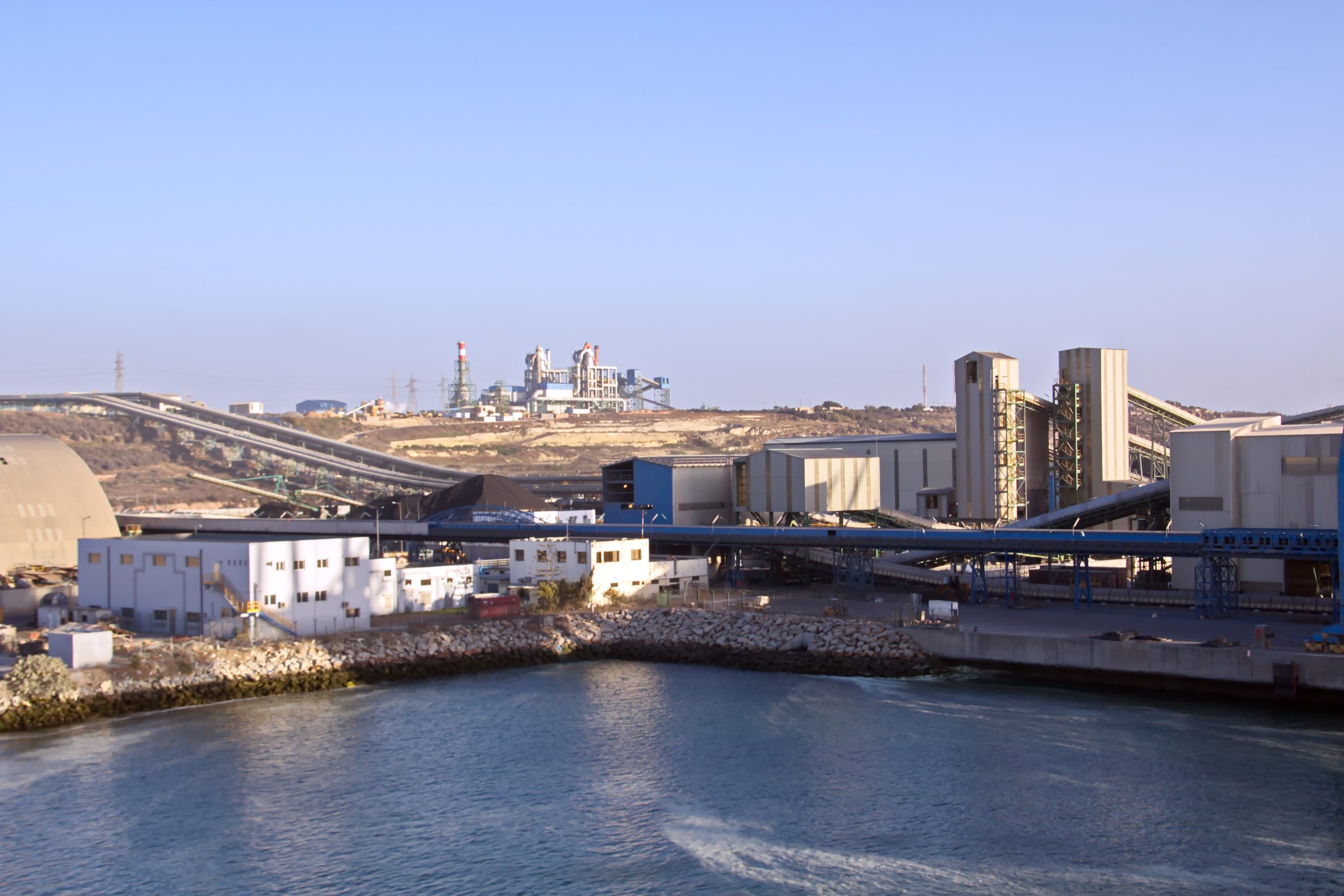
The project is being developed by Hive Hydrogen South Africa, a joint venture between UK-based Hive Energy and South African renewable energy and investment company BuiltAfrica. Located in the Coega Special Economic Zone in Nelson Mandela Bay, Eastern Cape Province, the facility will integrate 3.6 GW of renewable energy generation (2.4 GW wind and 1.2 GW solar PV), a 1.2 GW electrolyser, desalination technology, air separation units, bulk ammonia storage and export infrastructure. Once operational, the plant is expected to produce 1 million t/a of green ammonia, making it the largest green ammonia production facility in South Africa. The project is expected to avoid 2.6 million tCO2 e emissions per year, and will also enable up to 20 GW of additional renewable energy plants to connect to the national grid, supporting broader clean energy integration across South Africa.
Sebastiaan Surie, head of New Ventures at CFM, said: “This is a landmark first investment for SA-H2 and a defining project for the country’s green hydrogen economy. Hive’s project brings together scale, technical ambition and global relevance – and has the potential to position South Africa as a competitive exporter of low-carbon energy. By deploying public capital to absorb early-stage risk, our blended finance model enables private capital to invest in the construction of this pioneering green ammonia plant on terms aligned with their mandates, accelerating the global energy transition.”
The project targets growing export demand in Asia and the EU, and has signed a comprehensive memorandum of cooperation with Japanese conglomerate Itochu Corporation for potential involvement as a strategic equity investor and off-taker in relation to the project.