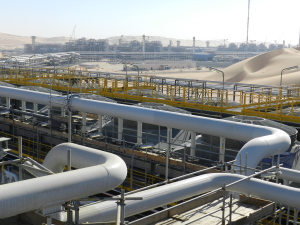
Changing patterns of sulphur trade
New sulphur production from Chinese and Indian refineries and Middle Eastern sour gas and the ramp up of nickel leaching projects in Indonesia continue to change the direction of sulphur trade.


New sulphur production from Chinese and Indian refineries and Middle Eastern sour gas and the ramp up of nickel leaching projects in Indonesia continue to change the direction of sulphur trade.
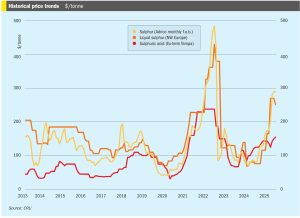
• Global sulphur prices are expected to experience decreases over the next few weeks. Buyers in Asia report that they are covered for contracted supply throughout July, and domestic prices in China are likely to decrease further, putting downward pressure on sulphur prices.
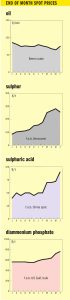
The end of June saw declines in sulphur prices in many regions amid subdued global demand across regions. Most import markets are sufficiently covered through July at least, resulting in limited activity while supply increases. These conditions have exerted downward pressure on prices as bearish sentiment spread across regions.
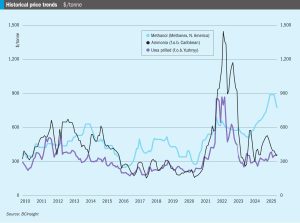
• The short term outlook appears balanced for the most part, although more bullish participants seem to be holding sway over market sentiment.
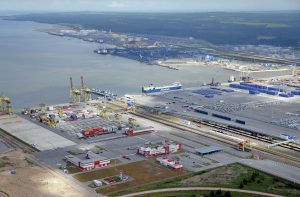
Increased merchant ammonia capacity over the next few years may lead to longer term price declines.
Ju ne saw fertilizer markets – urea markets in particular – thrown into chaos by the widening of hostilities in the Middle East. Israel’s and then the United States’ strikes on Iranian nuclear facilities and the retaliatory attacks on Israel and Qatar for a while held out the potential for the conflict to widen, perhaps even leading to attempts to close the straits of Hormuz at the entrance to the Gulf, something not seen since the ‘tanker war’ of the 1980s when Iraq tried to cripple Iran’s oil exports during the eight year Iran-Iraq War.
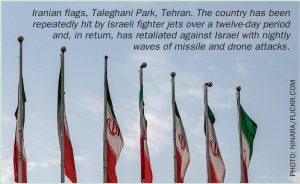
The Iran-Israel conflict in mid-June placed the urea market on edge prior to a ceasefire announcement.

The Belarusian government has nationalised and is fast-tracking the two million t/a capacity Slavkaliy project.
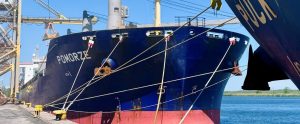
Grupa Azoty Police has successfully loaded a 36,640 tonne fertilizer consignment at its seaport for transport to South America. The historic shipment marks the first of its kind, in terms of its scale and the history of the company’s Police production plant, Grupa Azoty said.

President Donald Trump delayed his ‘liberation day” tariffs by three months on 9th April, while simultaneously ramping up levies on China. In this latest twist to the on-off US tariffs saga, the Trump administration’s 90-day pause on additional duties should provide international suppliers to the world’s biggest fertilizer market with some respite – for now. With the exception of China, the US will now cut back its so-called ‘reciprocal tariffs’ to 10% for the duration of a three-month suspension period. The European Union’s tariff is now halved to 10%, for example, with the trade bloc also pausing its trade countermeasures against the US.