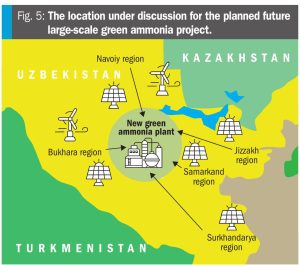
Green ammonia technology in Uzbekistan
A summary of Uzbekistan’s industrial baseline, historical operational experience with electrolysis, the 2025 green hydrogen pilot at Chirchiq, and the current outlook for scaling green ammonia production.


A summary of Uzbekistan’s industrial baseline, historical operational experience with electrolysis, the 2025 green hydrogen pilot at Chirchiq, and the current outlook for scaling green ammonia production.
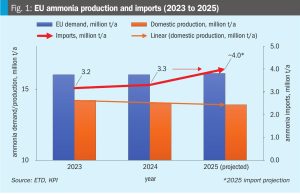
VK Arora of Kinetics Process Improvements, Inc. (KPI) looks at how – while carbon border taxes may reshape ammonia trade – the economics of hydrogen and electricity will ultimately determine the long-term competitiveness of European production.
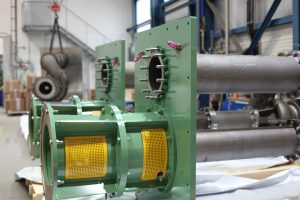
With the delivery of ten sulphuric acid pumps and a mobile tank drainage pump for a large zinc smelter in Central Asia, Rheinhütte Pumpen highlights its expertise in handling highly concentrated sulphuric acid – from alloy development and engineering to comprehensive testing on one of the most advanced pump test stands in the world.
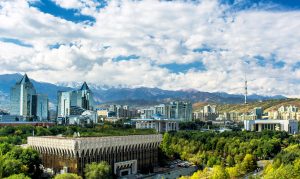
CRU and UniverSUL Consulting are expanding the reach of the Middle East Sulphur Conference (MEScon) with the launch of MEScon Connect: Central Asia 2026, taking place from 9–11 June, at the InterContinental Almaty hotel, Kazakhstan.
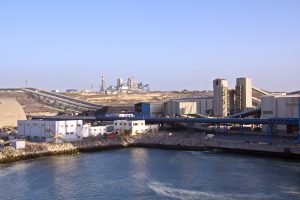
Stephen B Harrison of sbh4 consulting outlines the options for decarbonising diammonium phosphate (DAP).
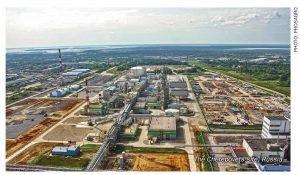
Multiple drone strikes have hit the industrial city of Cherepovets in Russia's Vologda Oblast region, according to Russian news agency TASS. The area contains PhosAgro's largest phosphate fertilizer production site. Cherepovets has a production capacity of around 700,000 t/a NPK and around 814,000 t/year DAP/MAP, according to CRU data, making it the largest phosphate fertilizer production site across Europe and the CIS. The site also contains several sulphuric acid plants with a combined capacity of 4.5 million t/a, making it Russia's largest production hub for the acid. This entire volume is consumed domestically.
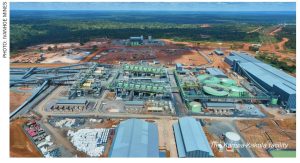
Canada-based Ivanhoe Mines stands to benefit from any sulphuric acid shortage caused by prolonged closure of the Strait of Hormuz now that the company is running a copper smelter, according Co-Chairman Robert Friedland. The 500,000 t/a direct-to-blister smelter at company-operated Kamoa-Kakula mine in the Democratic Republic of Congo produced its first anodes at the turn of the year.

Several battery material nickel miners in Indonesia have reportedly trimmed output by at least 10% due to a shortage of and higher prices for sulphur caused by supply disruptions arising from war in the Middle East. Sulphuric acid is used to process nickel ore into mixed hydroxide precipitate (MHP), a feedstock used in electric vehicle (EV) batteries.

Topsoe has entered into an agreement with Texas-based sustainable fuels and chemicals technology company BioVeritas to unlock advantaged feedstocks for existing infrastructure. The agreement will enable fuel producers to license Topsoe’s HydroFlex® technology alongside the Bio-Veritas Process™ to produce renewable fuels from second-generation feedstocks, such as woody biomass, corn stover, wheat straw, and similar waste and residual biomass. The BioVeritas Process™ converts second-generation feedstocks to advantaged intermediates, called KEY-Tones™ that can be processed by Topsoe’s HydroFlex® technology to unlock production of renewable fuels using second-generation feedstock.

InfraLeuna GmbH, the owner and operator of the Leuna chemical site, has unveiled a new state-of-the-art heating terminal as part of a new central infrastructure facility established at the Leuna chemical site to address the changing demands of the chemical industry’s supply chains.