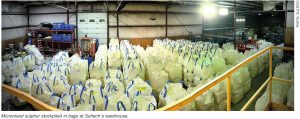
Sultech solves a decades-old fertilizer challenge
Sultech Global Innovation Corp’s patented micronisation technology is helping field-applied sulphur perform throughout the crop-year.


Sultech Global Innovation Corp’s patented micronisation technology is helping field-applied sulphur perform throughout the crop-year.
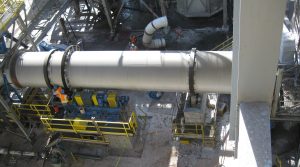
Shane Le Capitaine, Process Sales Engineer, FEECO International, provides a practical guide to rotary dryer efficiency at potash plants.

Switch Bioworks, a Stanford University originated biotech company based in San Carlos, California that engineers symbiotic microbes for sustainable nitrogen fertilizer, has begun advanced field trials in the U.S. Midwest for its novel microbial nitrogen product, following regulatory authorisation from USDA and EPA.

The U.S. Department of Agriculture (USDA) has launched the $500 million Fertilizer Investment & Expansion for Long-Term Domestic Supply (FIELDS) Programme to expand domestic fertilizer manufacturing and reinforce the U.S. fertilizer supply chain.
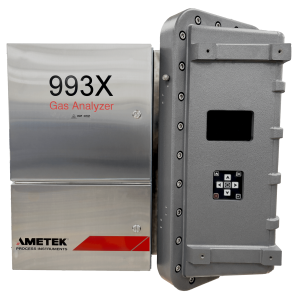
AMETEK Process Instruments has expanded its 993X series of gas analysers – including both 993X and 9933 models – with new explosion-proof enclosures certified for ATEX and IECEx Zone 1 hazardous locations. AMETEK says that the new design enables reliable analyser installation in applications where purge gas is unavailable or impractical, addressing a common challenge in remote and utility-limited facilities. […]

President Donald Trump has declared an emergency over fertilizer supply and authorised the temporary suspension of certain anti dumping and countervailing duties on phosphate fertilizer imports from Morocco.

SunGas Renewables Inc. has said that it will cease further development of the Beaver Lake Biofuels project, a proposed wood fibre-to-low carbon methanol facility in Louisiana. The project was to have involved integrating three of SunGas S1000 syngas production systems with downstream technologies to produce approximately 553,000 t/a of low carbon methanol, and geological storage […]
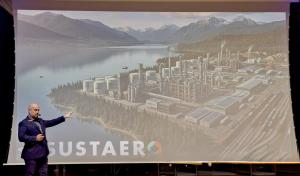
Nextchem, part of MAIRE, has licensed its proprietary NX Circular™ high‑temperature gasification technology to SUSTAERO GP Inc. for a biomass‑to‑syngas unit feeding a new SAF plant in Canada.
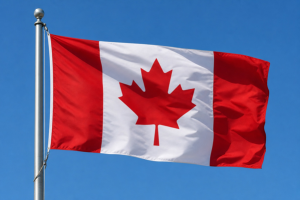
Canada’s new National Food Security Strategy makes fertilizer access, approvals and supply security a core part of federal efforts to lower food costs and cut exposure to global shocks.
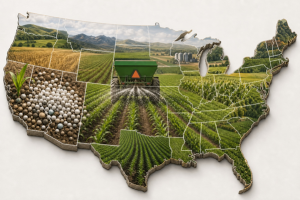
The US International Trade Commission (USITC) has decided to carry out a full, in depth review of US subsidy duties on phosphate fertilizer imports from Morocco and Russia.