Sulphur 423 Mar-Apr 2026

23 March 2026



Sulphur 423 Mar-Apr 2026
23 March 2026

The ‘Grow Eastern Africa’ project aims to improve the livelihoods of smallholder farmers by delivering higher yields and promoting climate-smart farming practices.

Topsoe has signed a contract with international energy company Uniper, to deliver front end engineering design (FEED) for the company’s NorthStarH2 green methanol project in Östersund, Northern Sweden.
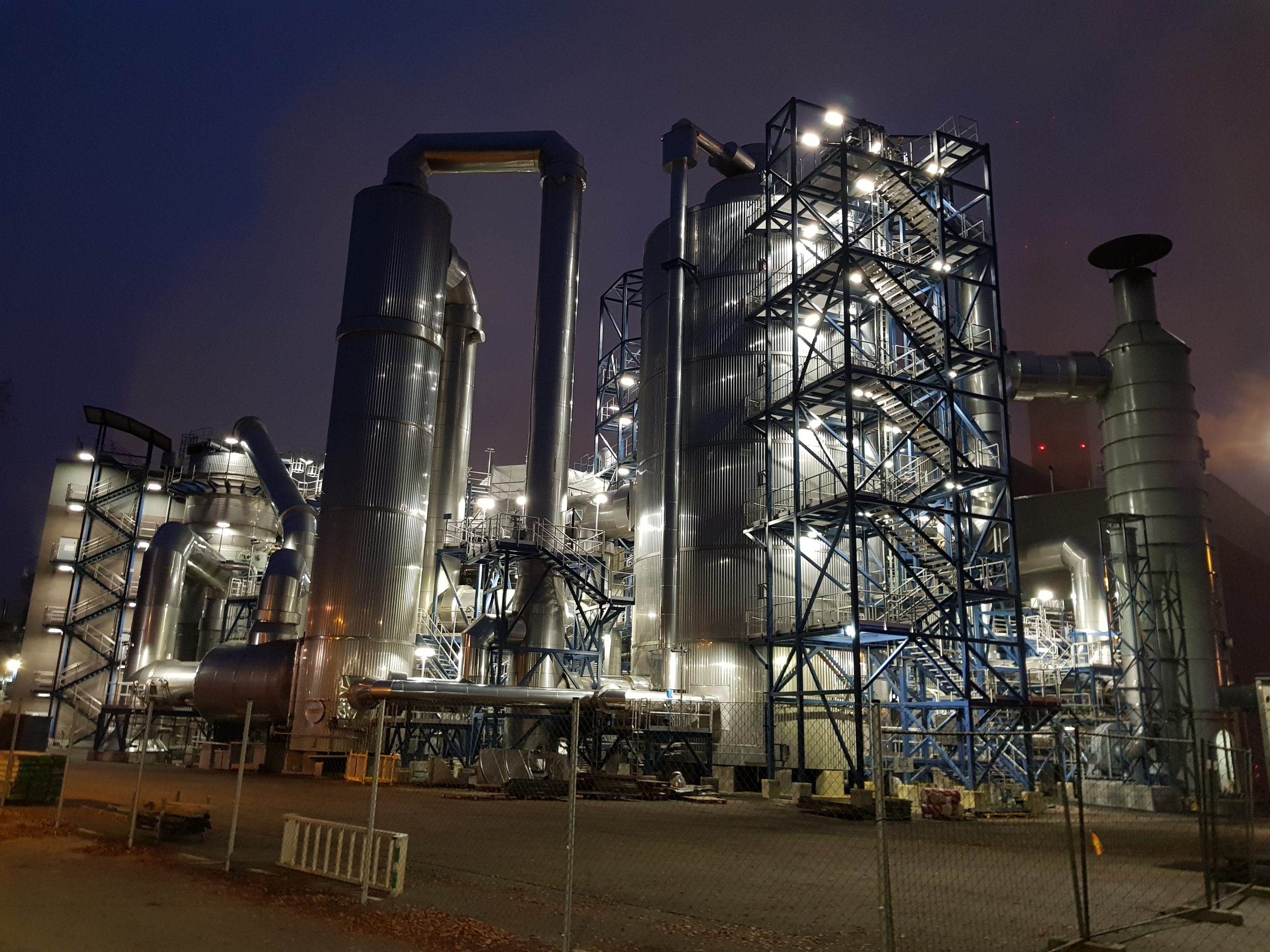
The sulphuric acid market is seeing a contraction due to lack of sulphur availability, demand destruction in the phosphate sector and restricted Chinese exports.

The Phase I development of the Zhugongtang lead-zinc mine in Hezhang County, Guizhou Province, is entering its final construction stretch. Full-line wet commissioning is scheduled to commence on 30 September, marking the official start of the trial production phase. Formal operational acceptance and commercial production are targeted by the end of 2026, following successful completion of performance testing and all necessary rectification work.

South Korean metals producer LS MnM plans to use sulphuric acid recovered from copper-smelting operations to process nickel and cobalt for battery materials, linking its existing metals business with its expansion into the electric-vehicle supply chain. The company captures sulphur dioxide generated at its Onsan Smelter and converts it into sulphuric acid. LS MnM’s sulphuric-acid facilities have annual capacity of 1.925 million t/a, according to the company, providing a potential internal reagent source for hydrometallurgical processing.