Fertilizer International 530 Jan-Feb 2026

Mosaic sells SOPM business for $30 million


Mosaic sells SOPM business for $30 million

The Mosaic Company has sold its Mosaic Potash Carlsbad business in New Mexico to newly-formed company International Minerals Carlsbad for $30 million.

A definitive agreement was signed on the 22nd December with the transaction expected to close in the first half of 2026. It provides International Minerals Carlsbad with ownership of Mosaic’s potash and water business in New Mexico and the associated potassium magnesium sulphate (SOPM) brands K-Mag (fertilizer grade) and Dynamate (feed grade).

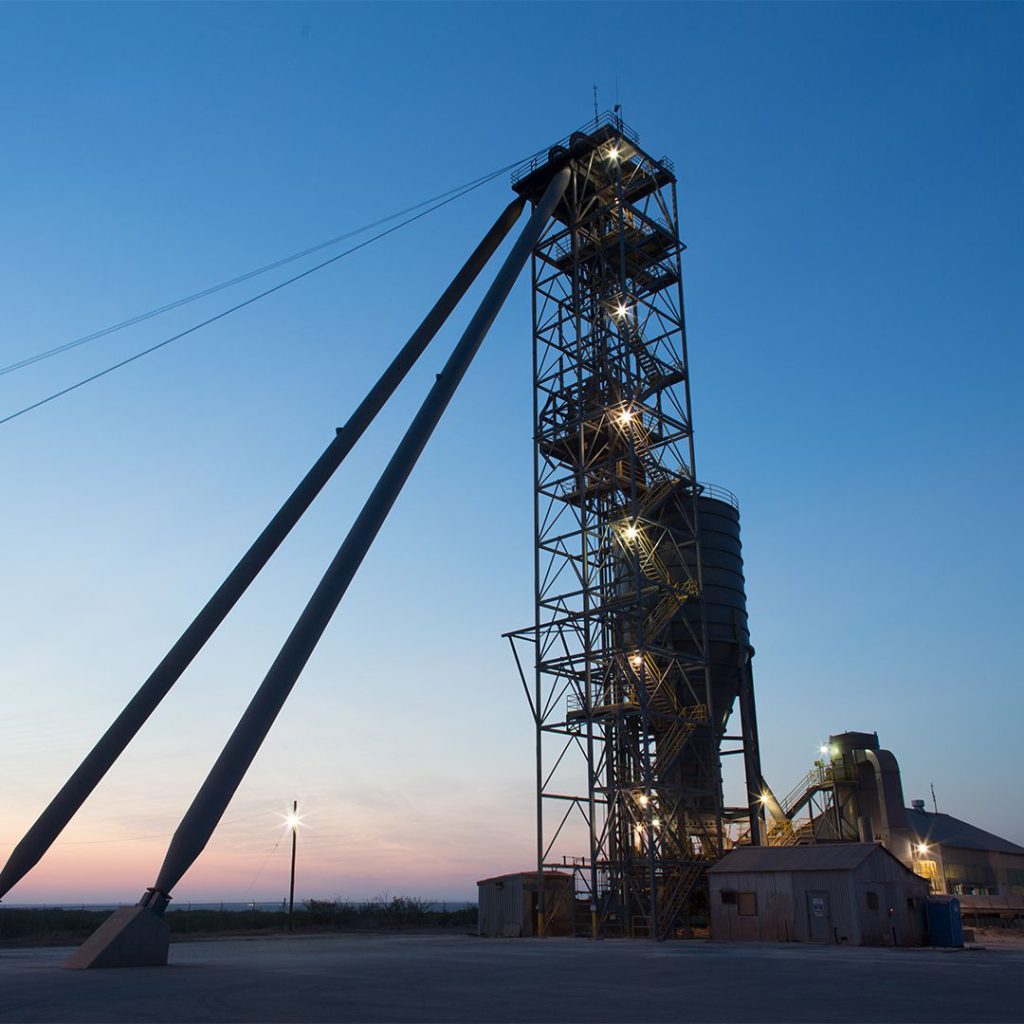
Mosaic has agreed to sell its New Mexico Carlsbad mine and SOPM business to newly formed International Minerals Carlsbad. (PHOTO: MOSAIC)

International Minerals Carlsbad is a new business entity, reportedly with leadership and staff who worked previously for Mosaic and Intrepid Potash. While Mosaic does not disclose SOPM production and sales volumes, the company sold 865,000 tonnes of ‘performance’ potash products in 2024, with this volume including sales of its K-Mag and Aspire (boron enriched potash) products alongside animal feed ingredients.

The agreement will see International Minerals Carlsbad take ownership of the operations, assets and liabilities Mosaic’s Carlsbad mine in New Mexico. It will also take on responsibility for the asset retirement obligations associated with this mine.

In return, Mosaic will receive an initial cash payment of $20 million (subject to adjustment on closing) followed by a deferred cash payment of $10 million. The latter will be payable to Mosaic in three equal annual instalments beginning in 2029.

“This transaction is a win for all parties,” said Karen Swager, Mosaic’s Executive Vice President, Operations. “We are pleased that International Minerals Carlsbad will provide continuity for our Carlsbad employees at the site, and that Mosaic has taken another step to focus on core assets. Our potash production is now entirely focused on our operations in Saskatchewan, Canada which are expected to continue to generate strong returns.”

“The acquisition is an exciting business opportunity, and we look forward to building upon the 100+ year legacy of the potash industry in New Mexico,” said Sergio Saenz, the CEO of International Minerals Carlsbad. Kelvin Feist, the company’s Chief Commercial Officer, added: “Our priority is to ensure a seamless transition of the business for employees, customers, suppliers and all stakeholders.”

Separately, Mosaic reported on 16th December that it was idling single super phosphate (SSP) production at its Fospar and Araxá sites in Brazil – as well as suspending future sulphur purchases for the time being – due to recent sharp sulphur price increases. The company said it may review these decisions in 30 days.

Latest in North America

Acid leak into ship canal

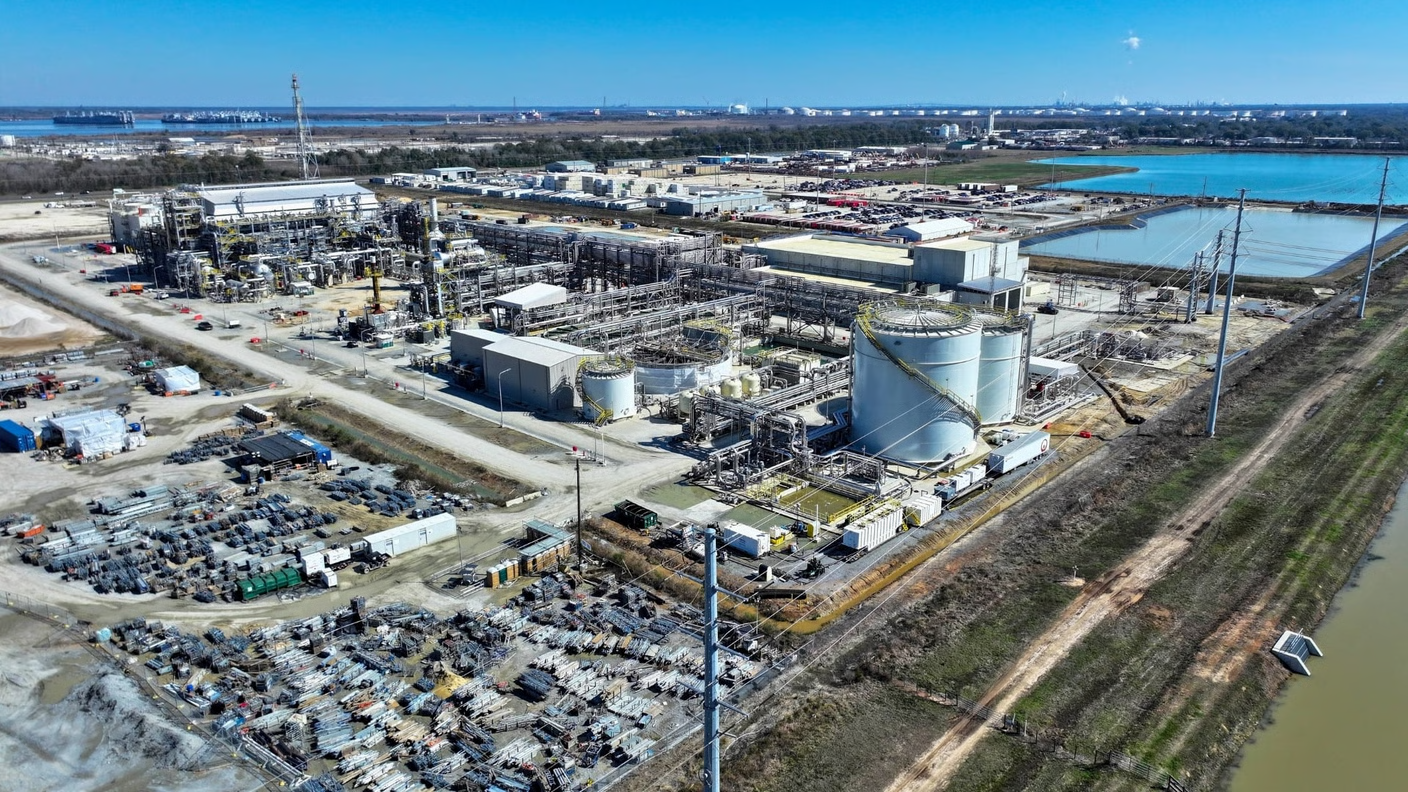
Around 1 million gallons of sulphuric acid was released from an industrial facility, some of it into the Houston Ship Channel, in late December. A pipeline ruptured when an elevated walkway collapsed at the BWC Terminals facility in Channelview, east of Houston. Two people were transported to a hospital and subsequently released, while 44 others were treated and released at the scene. BWC Terminals said in a statement the majority of the sulphuric acid released was into a designated containment area, with a smaller, unknown amount entering the ship channel.

Mixed smelter for Tennessee

Korea Zinc says it will partner with the US government to construct a critical minerals smelter in Clarksville, Tennessee, producing zinc, lead, and copper. Korea Zinc will begin site preparation next year, followed by phased commercial operations from 2029. The plant is planned to process around 1.0 million t/a of raw materials and turn out 540,000 st/a of finished products. Processing of gold, silver, and key strategic minerals such as antimony, indium, bismuth, tellurium, cadmium, palladium, gallium and germanium, are also planned in what is being touted as a "state-of-the-art" facility. Sulphuric acid and semiconductor-grade sulphuric acid will also be produced. The output will include 300,000 t/a of zinc production, 200,000 t/a of lead, 35,000 t/a of copper and 5,100 t/a of rare and strategic metals. Development will be through Korea Zinc’s US subsidiary, Crucible Metals.

Capacity increase at Heartland Sulphur

Heartland Sulphur says that it has debottlenecked its crushed bulk sulphur remelting operations, increasing capacity by 40%. Heartland says that the increase boosts the company’s sulphur handling efficiency and service capability for producers and buyers. It has also completed a full feasibility study and retained engineering partners to add an additional 1,000 t/d of sulphur remelt capacity, slated to be fully operational by yearend 2026. Heartland Sulphur can form 4,500 t/d for offshore markets, transport molten sulphur by tank car to destinations across North America, and accept and condition sulphur in both molten and solid states. The company’s existing remelt capacity stands at 700 t/d and is projected to reach a total of 1,700 t/d (560,000 t/a) by the end of 2026.

Arianne to receive government support

Arianne Phosphate says that the government of Canada has approved contribution funding of up to C$735,000 to support the company’s ongoing work on processing phosphate rock and optimising its purified phosphoric acid (PPA) process. The funding, provided through Natural Resources Canada’s Critical Minerals Research, Development and Demonstration programme, is part of a C$80.3 million investment announced by Prime Minister Mark Carney to help build secure critical minerals supply chains in Canada. Phosphate was added to the Canadian critical mineral list in 2024. Arianne’s Lac à Paul project is the only fully permitted phosphate mine in the country. Arianne is now actively pursuing opportunities for the downstream production of PPA, a necessary ingredient for lithium-iron-phosphate batteries.

Green ammonia project “economically unfeasible”

World Energy GH2 has shelved its 1.2 GW green hydrogen and ammonia project in Stephenville, Newfoundland, after failing to secure offtake agreements. Project Nujio’qonik was conceived as a major green hydrogen/ammonia scheme backed by 2 GW of new wind capacity, intended to export green ammonia to Europe. However, despite a $50 million investment from South Korea’s SK Eco-plant and high-profile endorsement by then German chancellor Olaf Scholz, the developer has confirmed that the project is being replaced by a new initiative, called Clean Grid Atlantic, which will use the wind resource to power domestic markets instead.