Sulphur 423 Mar-Apr 2026

Florence Copper project begins operations


Florence Copper project begins operations

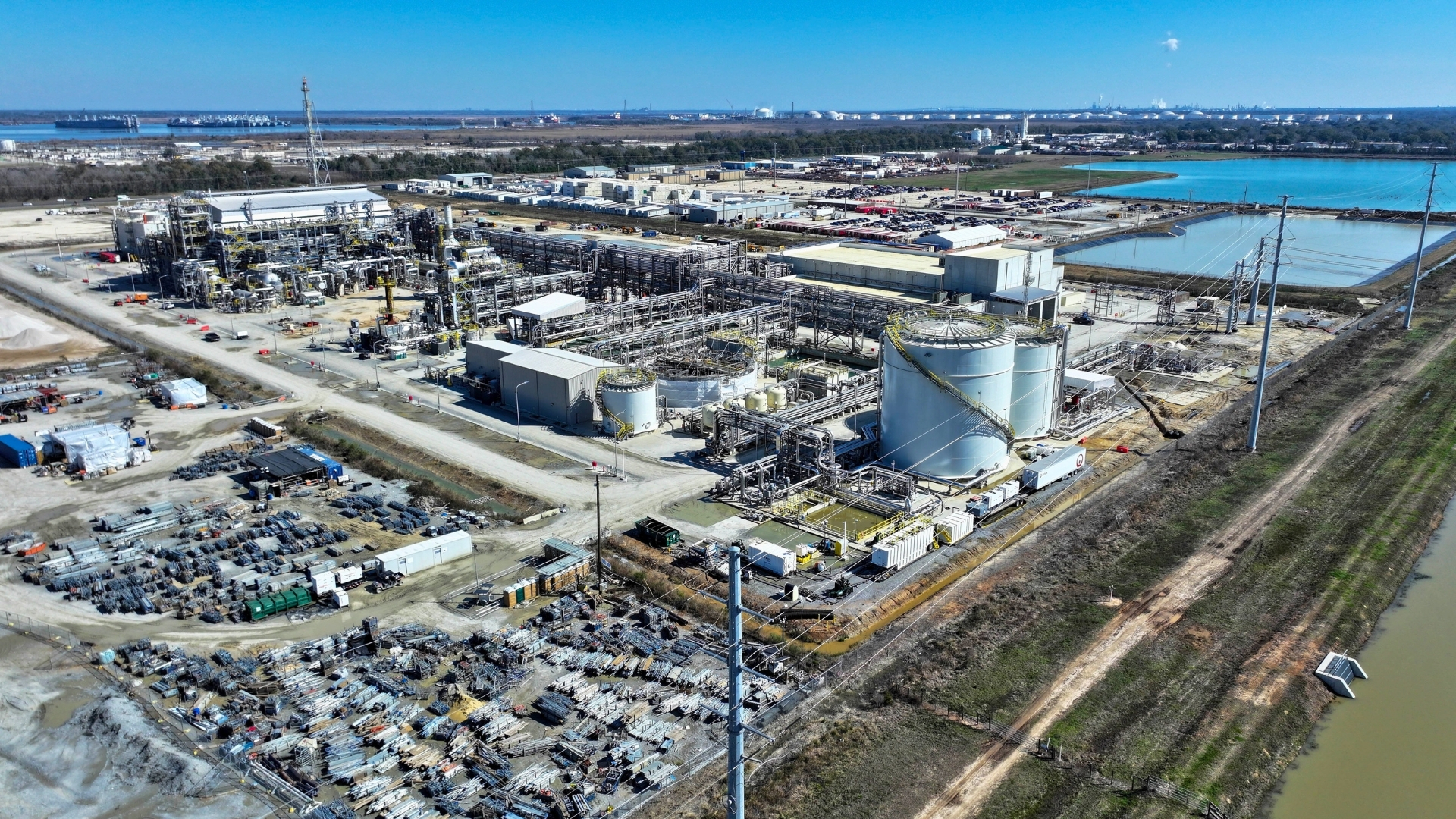
Taseko Mines’ Florence Copper project, featuring Metso’s copper solvent extraction and electrowinning (SX-EW) technology, is ramping up its commercial operations in Arizona. The successful harvesting of the first copper cathodes at the end of February 2026 is an important milestone for Taseko Mines and Metso, marking the first new greenfield copper production in the United States since 2008. The project caters to the rapidly growing copper demand while supporting the transition towards more environmentally responsible copper production in North America.

Stuart McDonald, President & CEO of Taseko Mines commented: “This represents a landmark achievement for the Florence Copper team and a major milestone for Taseko, as we continue our journey to become a leading North American copper producer.”

Metso’s delivery to the Florence Copper project consists of a modular VSF® X solvent extraction plant and main process equipment for the electrowinning plant. Florence Copper has a nameplate capacity of 85 million lbs (40,000 tonnes) of LME Grade A copper cathode per year.

“We are excited to congratulate Taseko Mines and the Florence Copper team on this important milestone. It’s an honor to support their success with proven Metso Plus technology designed to maximize resource efficiency and reduce environmental footprint. This aligns perfectly with our mutual dedication to sustainability and operational excellence,” said Mikko Rantaharju, Vice President, Hydrometallurgy and Thermal Processing at Metso. “Moreover, this delivery is the first of its kind to the United States and holds tremendous value for Metso as we expand our offering and installed base in the region.”

“Metso’s nearby Mesa, Arizona service center and aftermarket team will work closely with the customer to ensure reliable, safe operation long after commissioning and maximize performance across the full equipment lifecycle,” said Martin Karlsson, Vice President, Sales & Services, USA.


Latest in North America

Alberta wildfires stopped near key oilsands sulphur facilities

The immediate threat to Canadian sulphur supply from the Alberta oilsands has eased, after several large wildfires in the Lac la Biche region were classified as “being held” with the help of rainfall in early June. The region has a combined annual sulphur production capacity of nearly 3 million t/a. Around 700,000 t/a of this is produced in the Edmonton area, primarily from Shell’s Scotford upgrader (580,000 t/a) and the Redwater refinery (130,000 t/a). The majority of the output, approximately 2.2 million t/a, is concentrated further north near Fort McMurray at facilities operated by Suncor, Syncrude, and CNRL Horizon. The out-of-control fires prompted evacuation alerts near in-situ sites operated by Cenovus, Canadian Natural Resources, and ConocoPhillips. While this specific threat has passed, the event highlights the seasonal vulnerability of Canadian sulphur supply, with the wildfire season typically running through the summer.

Travertine processes Ariane phosphate samples

Arianne Phosphate has provided samples of its phosphate concentrate for processing at Travertine’s facility in Boulder, Colorado, US. Pilot scale testing was successfully performed, demonstrating proof of concept on the process and production of a high-quality purified phosphoric acid (PPA). The Travertine process captures and recycles over 95% of the sulphur used in the process of making PPA, providing a virtually closed loop system. The PPA produced using the process met specifications required for both LFP batteries as well as fertilizers. The companies have begun work to advance the PPA demonstration plant in Quebec’s Saguenay-Lac-Saint-Jean region, working with potential partners as well as end-users of the product.

Yara acquires Gulf Coast Ammonia plant

Yara International has reached an agreement to acquire Gulf Coast Ammonia’s (GCA) ammonia production facility in Texas City, Texas from GCA Holdings LLC, for a consideration of $ 1.3 billion. Yara says that the acquisition is part of its strategy to diversify its energy exposure and enhance the competitiveness of its global ammonia production footprint. Yara will own the ammonia plant with an expected nameplate capacity of 1.3 million t/a, with Air Products supplying industrial gases to Yara as part of a long-term supply agreement. Yara will use its midstream ammonia platform to supply both external customers and its own internal sourcing needs.