Sulphur 421 Nov-Dec 2025
A cold wind from the east


Editorial

A cold wind from the east

The sulphuric acid market has also been affected by the surge in sulphur prices…”

Prices in sulphur markets have been climbing rapidly for several weeks now due to short supply, reaching their highest levels for early two and a half years, since July 2022. A major cause has been widening Ukrainian drone and missile strikes against Russian oil and gas facilities. In particular, drone strikes in September on the Astrakhan and Orenburg natural gas plants led to Russian sulphur exports being cut drastically, first from around 400,000 tonnes per month to only 100,000 tonnes in October, and then to zero from the 1st of November, as Russia implemented a ban on exports of sulphur used in fertilizer production which was projected to last at least until December 31st. “This decision will stabilise shipments of raw materials to the domestic market to maintain current mineral fertilizer production volumes and ensure the country’s food security,” the government’s press service reported. The restriction applies to the export of liquid, granulated, and lump sulphur. It remains to be seen whether exports of Kazakh material from Ust Luga will be affected, but some Kazakh sulphur is now being sold via Iran.

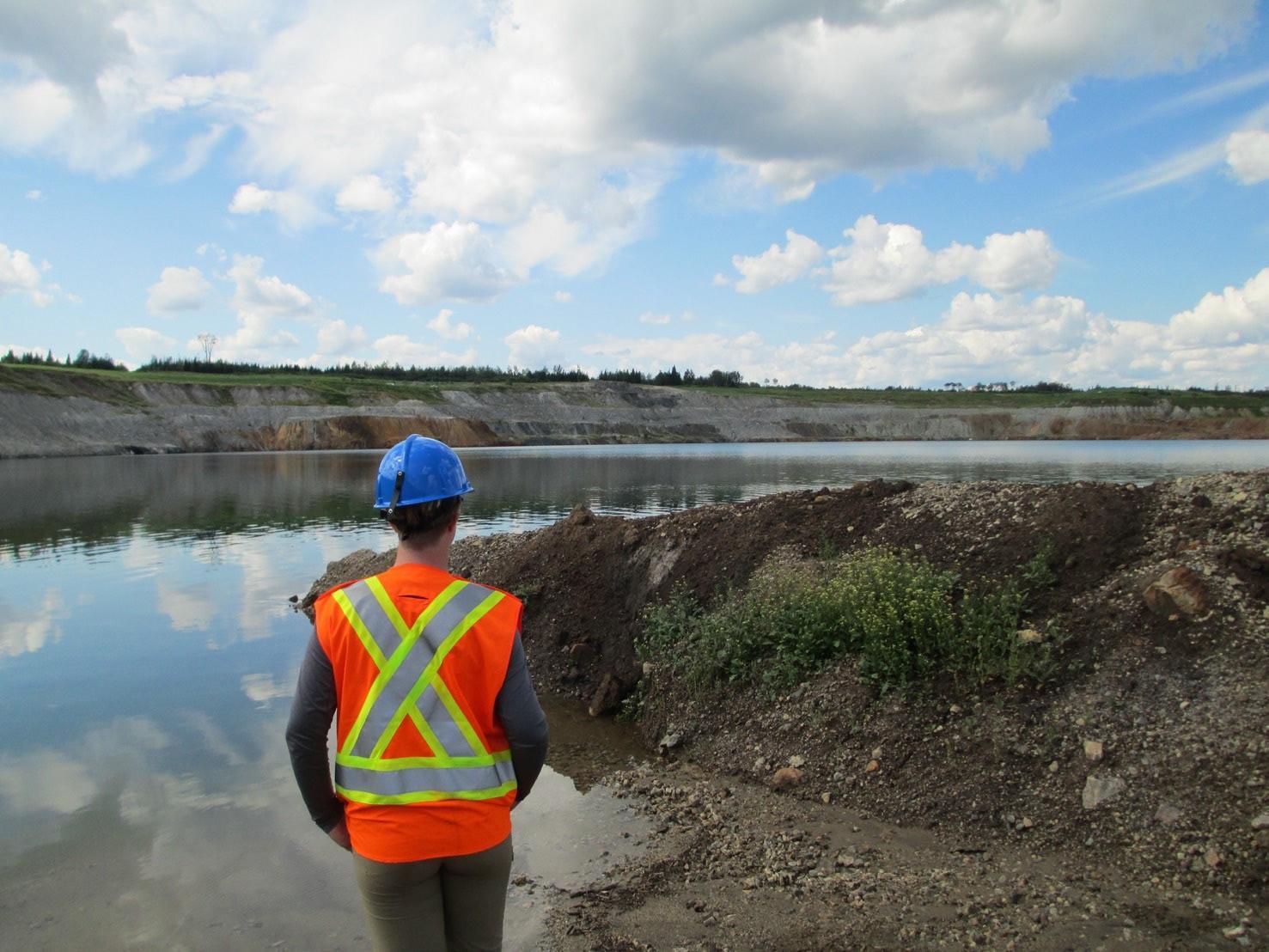
Particularly affected has been Indonesia. One of the key inputs for HPAL operations is sulphuric acid which accounted for 24% of HPAL processing costs in 2024, making it the second largest cost component after consumables. As a result, the large share of acid in processing costs leaves HPAL operations exposed to fluctuations in the sulphur price. Sulphur prices reached $420-430/t c.fr delivered into Indonesia at the end of October, more than $100/t up on June 2024. There is some temporary respite from increasing prices for cobalt, which is co-produced with the nickel, but Indonesian sulphur imports were up 52% year on year for the period from January to September, reaching 3.7 million tonnes, compared to 2.4 million tonnes (itself a record) for the same period of 2024.

The sulphuric acid market has also been affected by the surge in sulphur prices. As we note in our article in this issue, merchant sulphuric acid has increasingly come from sulphur burning acid plants, especially in China, and as high sulphur prices force some acid producers to shut down, so traders are increasingly looking for scarce smelter acid cargoes, themselves constrained by lack of copper concentrate availability. At the same time, fertilizer demand remains robust, though India may see some demand destruction from phosphate producers. Coupled with some refinery outages and logistics bottlenecks in sulphur supply, CRU expects sulphur prices to remain elevated through the fourth quarter of 2025. However, it is likely that Russia will return to the export market in Q1 2026, hopefully providing some much-needed relief to the market.

Latest in Commodity

Nickel Industries starts up ENC acid plant

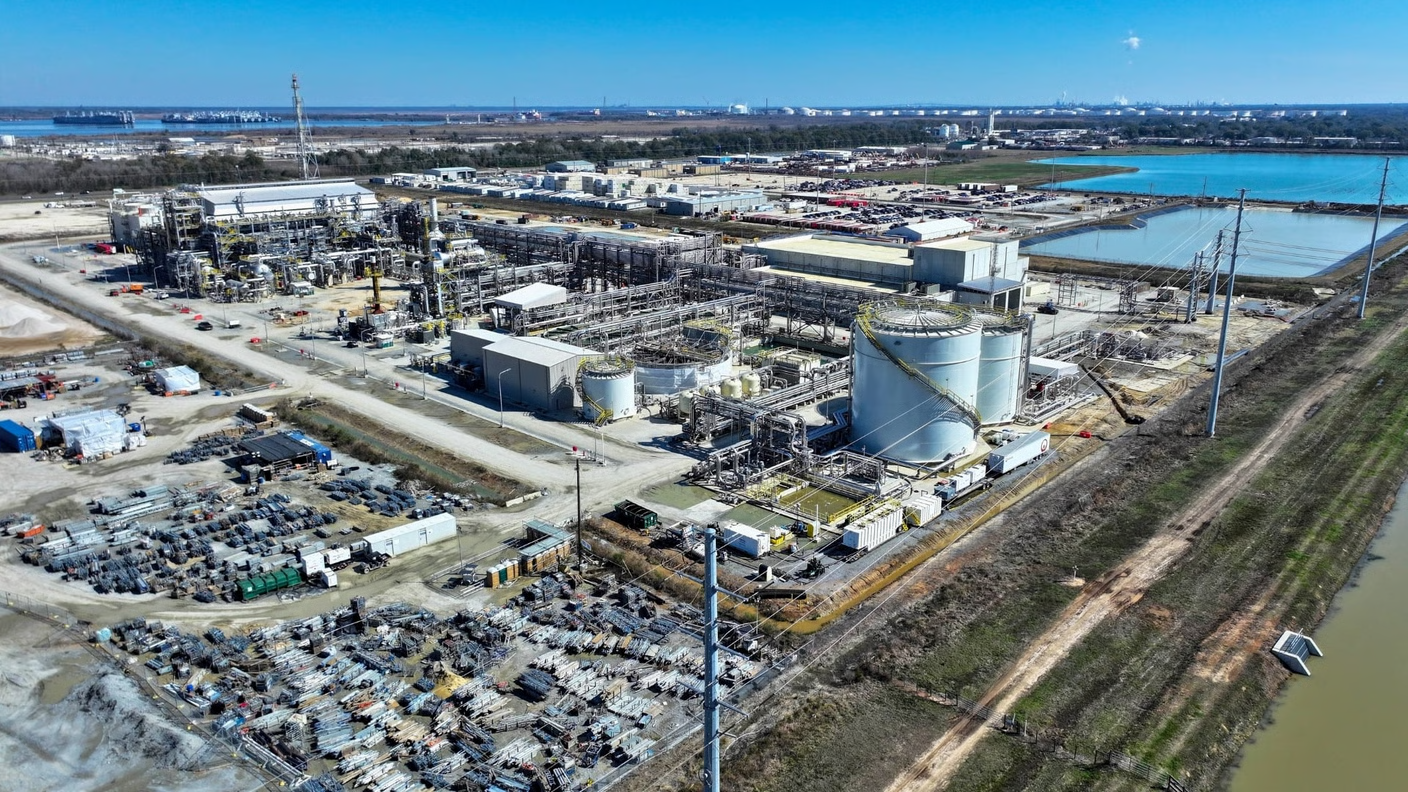
Nickel Industries announced started up the sulphuric acid plant at its new Excelsior Nickel Cobalt (ENC) HPAL project in the final week of June. The ENC Project is a massive, multi-billion dollar high-pressure acid leach (HPAL) facility located in the Indonesia Morowali Industrial Park (IMIP) in Central Sulawesi, Indonesia. It is operated by Australia’s Nickel Industries to supply battery-grade materials for the electric vehicle (EV) market. At capacity, it is expected to yield roughly 72,000 t/a of contained nickel equivalent as mixed hydroxide precipitate (MHP), nickel sulphate, and nickel cathode.

Russia bans rail transport of Kazakh sulphur

Russia has ordered a “temporary cessation” of rail transport of all sulphur originating from Kazakhstan that is destined for Russian seaports and railway checkpoints, representing a significant policy shift, according to an official order from the Federal Agency for Railway Transport (Roszheldor). The directive, which took effect from May 26th, orders a halt to the loading and movement of Kazakh sulphur “until further notice.” While the measure is officially described as temporary, the order provides no specific timeline for when the transit might resume. The action cites instructions from Russia’s First Deputy Prime Minister, D.V. Manturov, as its basis.

Cartagena refinery enters solid sulphur market

Cartagena Refinery has entered the solid sulphur market, diversifying its petrochemical portfolio, according to a company statement on 21 May. The first shipment of 260 tonnes has already been dispatched to the domestic market. This new venture is enabled by a recently commissioned pelletising plant that converts liquid sulphur into solid pellets, with a production capacity of 1,000 t/d. The refinery is targeting Colombia’s fertilizer, chemical, and mining industries, and is also planning to export to international markets, including Brazil, Peru, and countries in Africa.