Nitrogen+Syngas 398 Nov-Dec 2025

Classification for hydrogen-fuelled tug


Classification for hydrogen-fuelled tug

ClassNK has added Japan’s first hydrogen-fuelled tug Ten-Oh to its register, built by Tsuneishi Shipbuilding Co., Ltd. This vessel was developed and built under the ‘Nippon Foundation Zero Emission Ships Project’, a grant program by The Nippon Foundation aimed at developing ships with zero CO2 emissions. Based on discussions among the parties involved during the planning stage of the vessel, ClassNK reviewed the safety requirements and countermeasures for hydrogen-fuelled ships by applying Part GF of its ‘Rules and Guidance for the Survey and Construction of Steel Ships’ etc. These reviews focused on issues such as preventing explosions caused by the high ignitability of hydrogen and mitigating the potential impacts of hydrogen fuel leakage on crew members and the environment.
ClassNK says that it will continuously support the safe operation of the vessel through surveys in service, and not only that, support industry’s effort toward decarbonisation through using the knowledge and experience gained from the surveys for keeping its guidelines up to date and contributing to establishment of the appropriate international standard.

Latest in Asia

Green ammonia supply deal

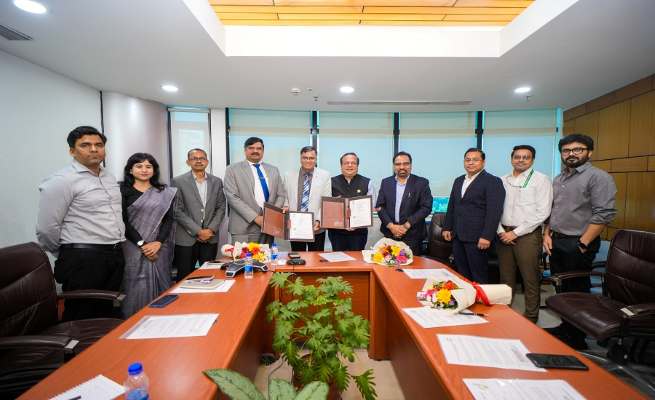
Indian renewable energy developer InSolare Energy, in consortium with SCC Infrastructure, says that it has signed Green Ammonia Purchase Agreements (GAPA) with the Solar Energy Corporation of India (SECI) for the supply of 85,000 t/a of green ammonia under India’s National Green Hydrogen Mission 13 April. The agreements, executed through two separate special purpose vehicles, involve a total estimated investment of around $400 million, InSolare said in a statement.

Attack hits methanol complex

US and Israeli air attacks on Iran have hit a methanol production complex at Dayyer port in Iran’s Bushehr province, according to the semi-official Tasnim News Agency. The agency reported that two projectiles struck the pier of the Kaveh Petrochemical methanol facility in the Dayyer area, causing damage to the pier’s control room. Initial reports indicated that no damage was caused to the methanol production facilities and that the main units of the complex continued operating without disruption. No casualties were reported in the attack, the agency added.

Saipem technology chosen for new urea plant

Saipem has been awarded a new urea license agreement by Mitsubishi Heavy Industries Ltd (MHI) for a new fertilizer plant in Turkmenistan. The contract entails the license for the use of Saipem’s proprietary Snamprogetti™ urea technology as well as related engineering services. The urea plant will have a capacity of 3,500 t/d. The new project follows the Garabogazkarbamid plant, commissioned in 2018 in Garabogaz, Turkmenistan, developed with the participation of Mitsubishi and Gap Insaat Yatirim ve Dis Ticaret AS, for which Saipem supplied the urea technology under a contract awarded in 2014 by MHI.