Sulphur 419 Jul-Aug 2025

Sonatrach awards Saipem phosphate project FEED contract


ALGERIA

Sonatrach awards Saipem phosphate project FEED contract

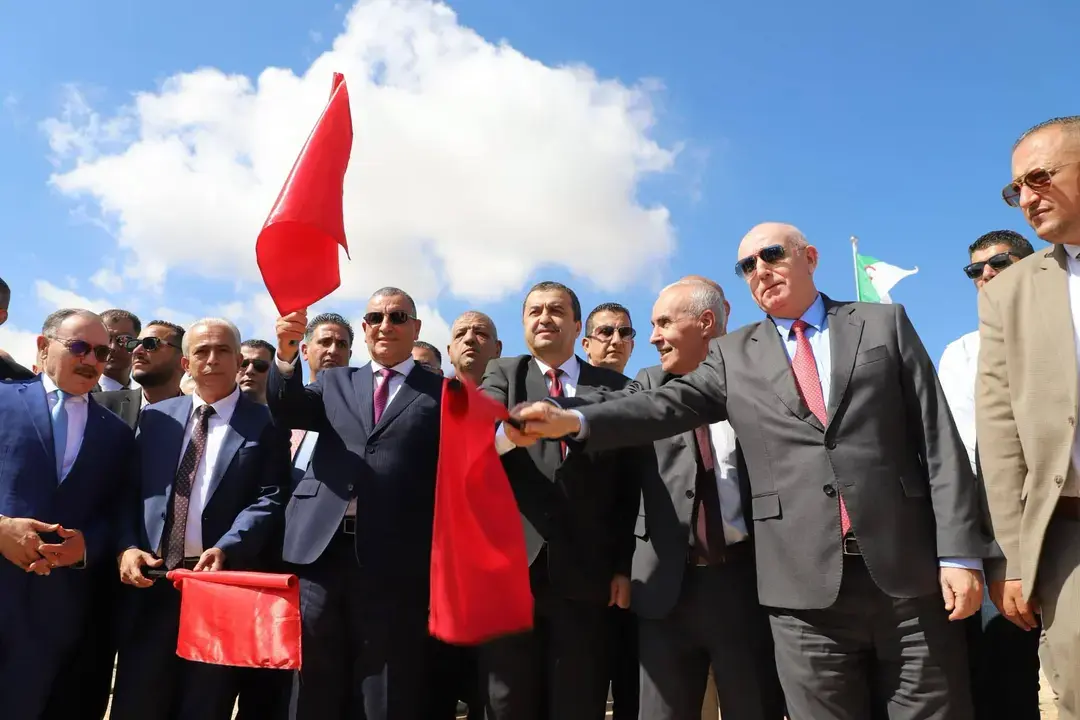
Saipem has won a front-end engineering design (FEED) contract from Sonatrach for an integrated phosphate fertilizer project in Algeria. The contract was awarded through a dual competitive process, enabling the design work to be conducted by both Saipem and a competitor company. Sonatrach will assess and compare the two FEED options from both parties, select the best technical and economic design, and then proceed with the direct award of an engineering, procurement and construction (EPC) contract to execute the project.

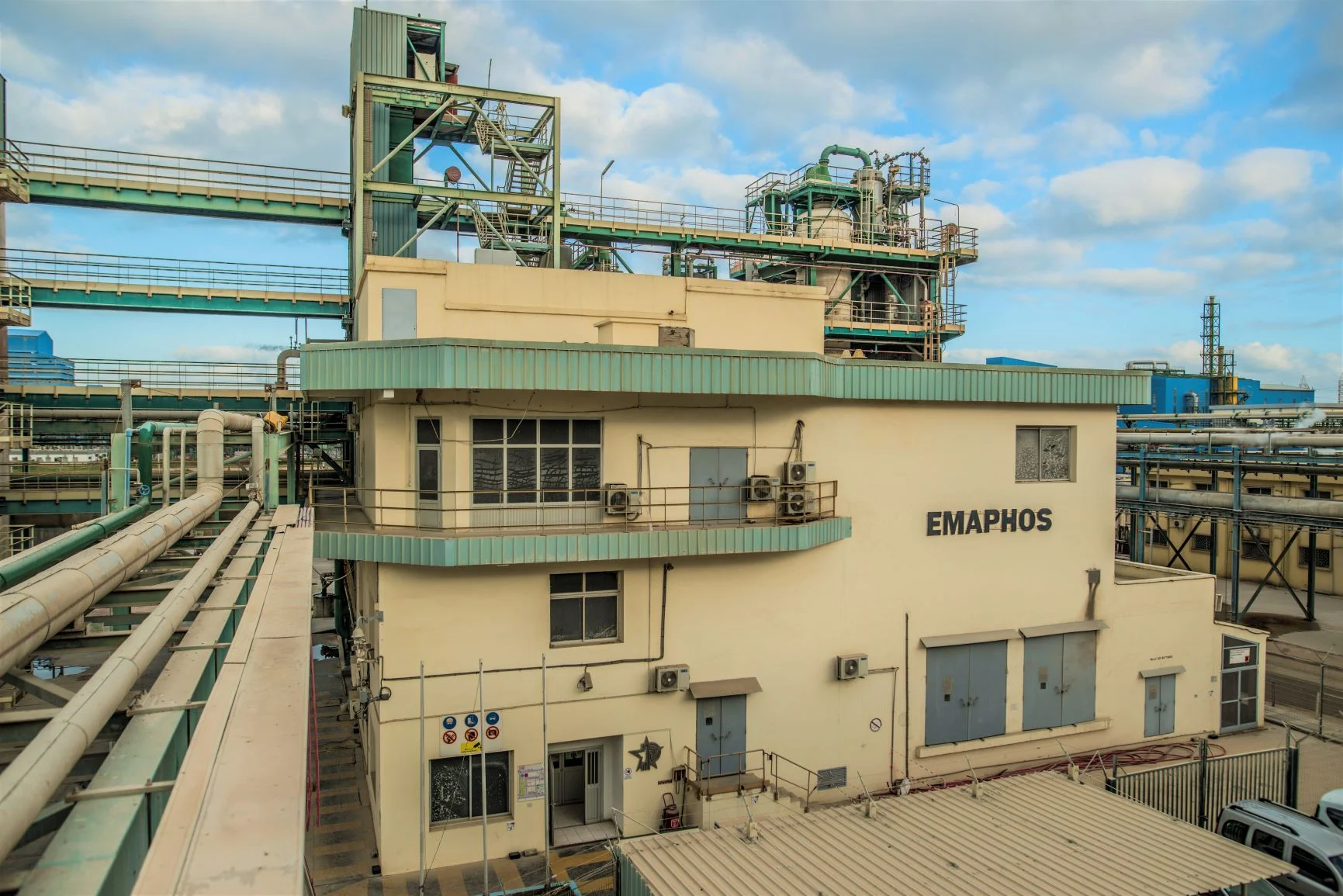
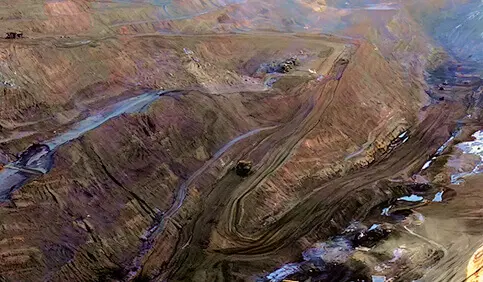
The FEED contract covers front-end services for the complete engineering design of a new fertilizer complex. This includes phosphate mining infrastructure in the Bled El Hadba area, together with process and ancillary units supporting fertiliser production in the Oued Keberit area.

This is Algeria’s first integrated phosphate project encompassing both ore mining and fertilizer production. Once operational, the project will have the capacity to extract 10 million tonnes of phosphate rock and produce six million tonnes of phosphate fertilizers annually.

Latest in Africa

Agreement signed with green ammonia developer

The government of Morocco has signed an agreement with the ORNX consortium to advance a $4.5 billion green ammonia project in the southern city of Laayoune, as part of Morocco’s ambitions to become a global hub for green hydrogen and derivatives. The development combine wind and solar electricity generation with hydrogen from electrolysis to feed green ammonia production. Under the terms of the agreement, more than 2 GW of renewable energy capacity will be installed, feeding 900 MW of electrolysers producing green hydrogen. To ensure operational stability and continuous output, the facility will also incorporate battery energy storage systems. In addition, a seawater desalination plant will be constructed to provide the purified water required for hydrogen production, addressing resource constraints in the arid coastal region. During its initial phase, the complex is expected to generate around 100,000 t/a of green hydrogen, which will allow the production of 560,000 t/a of green ammonia. The ammonia will be used both domestically in ammonium phosphate production as well as being exported internationally.