Nitrogen+Syngas 387 Jan-Feb 2024

Problem No. 71: Fouling and damage of prilling tower air fans


Today some 75% of all urea plants worldwide operate a prilling tower as the solidification and finishing technology. A prilling tower is a large hollow concrete tower in which concentrated urea melt is sprayed from the top via a rotating bucket or static shower heads. The urea melt droplets cool and solidify while falling down some 70-100 m. The heat is removed by ambient air flowing upwards either as a natural draft due to the temperature increase or forced by means of air blowers.

The air gets contaminated with ammonia and urea dust. A major part of the urea dust is a result of the sublimation reaction of ammonia and isocyanic acid which are formed from the urea melt at higher temperatures. This urea deposits on cold spots forming a hard layer, e.g., on the fans of the air blowers in the top of the prilling tower. Learn from this UreaKnowHow.com round table discussion about the possible consequences and solutions of this operational and maintenance issue.

Ali Ançaza of Igsas, Turkey starts up this round table discussion: Our prilling tower air fans experience frequent mechanical failures. What are your experiences, opinions and suggestions regarding issues with the air fans?

Mr. Yusuf Ugur of Igsas, Turkey replies: Please explain what you mean by mechanical failure of the fans.

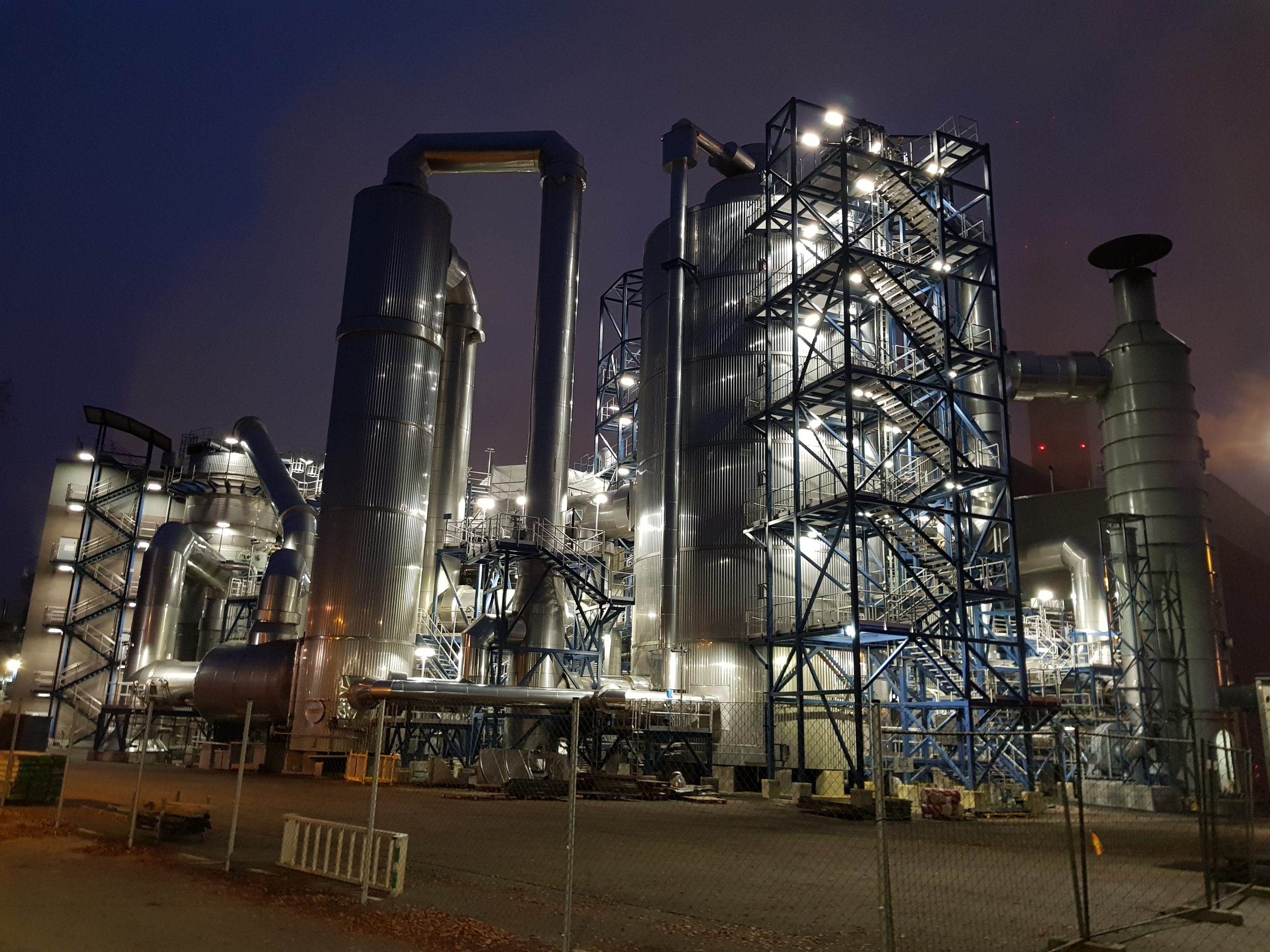
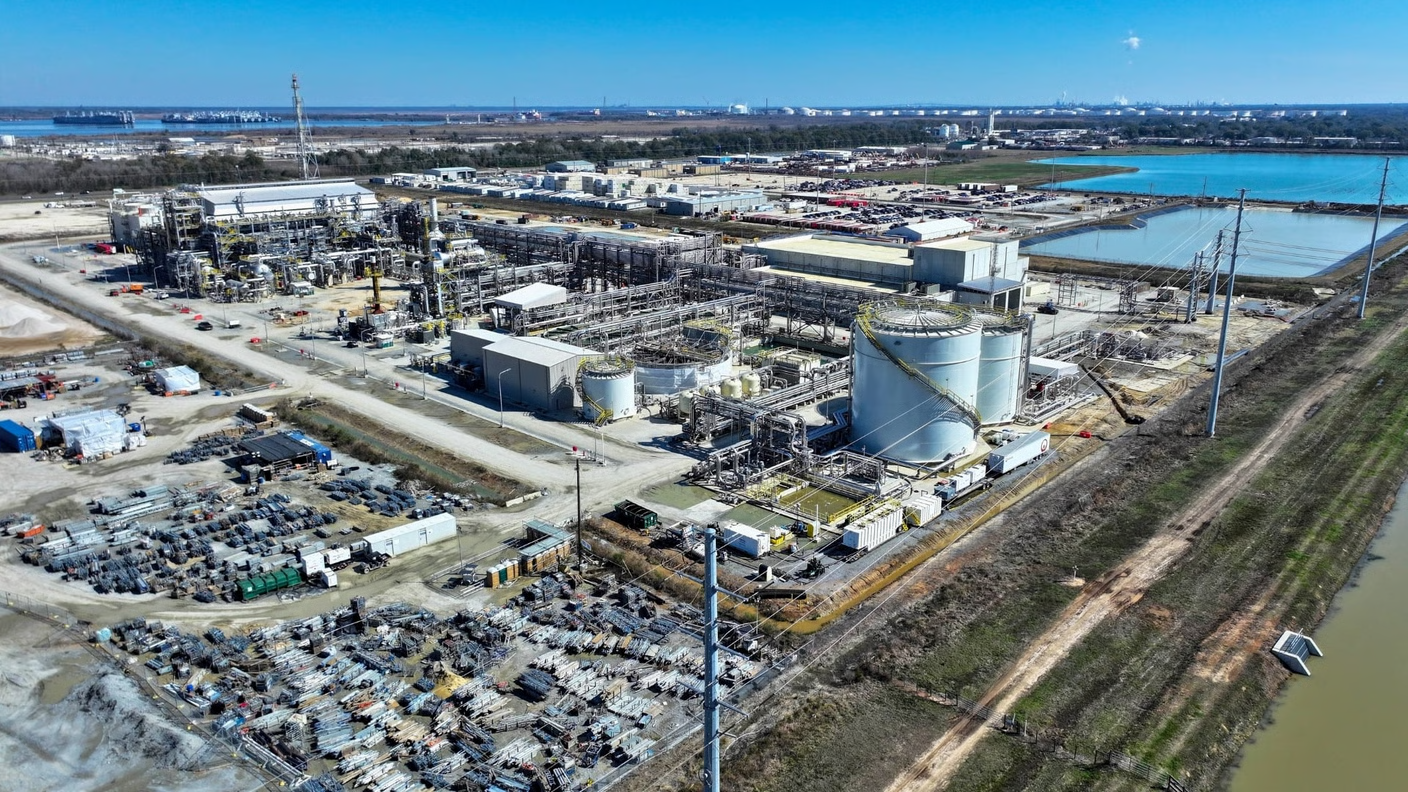
Ali comes back with more information: Urea dust accumulates on the blower fan blades and in the inner hips. There is a balance distortion in the fan blades. The fan experiences excessive vibrations. Due to the vibrations, there are deformations and cracks. Refer to the pictures.

Prem Baboo, Retired from NFL, India and Dangote Fertilizer, Nigeria and Expert of UreaKnowHow.com shares his valuable experiences: Prilling tower ID fan problems are created due to:

  • urea deposition on the blades leading to an imbalance; urea build-up causes vibrations;
  • looseness of hanger brackets;
  • urea ingress in internal parts of the fan, e.g,. bearing, lubrication points.

The remedies are:

  • periodical maintenance is required, circulate grease through extended grease line in the bearing, rotate shaft while purging grease and correctly align;
  • perform NDT inspections weekly;
  • remove urea deposits from duct weekly;
  • inspect ingress parts of the fan;
  • balance the fan;
  • check all bearing and drive set screws, hold down bolts and motor mounting bolts for tightness;
  • check all supporting hanger brackets;
  • check suspension nut/washer and clips;
  • check hanger rod for any bending.

Yusuf comes back with a question: Are there any chemicals that will prevent the adhesion of the urea on fans?

Prem replies: No chemical is available to protect urea deposition. Simply wash with hot water; only five minutes is required.

Mark Brouwer of UreaKnowHow.com, the Netherlands joins the discussion: What is your opinion about PTFE or some kind of oil? Do You believe that may work on the fan blades?

Naseemce from SABIC Agri-Nutrients Company, Saudi Arabia shares his valuable experiences: Urea dust deposit is the usual cause of the fan becoming rigid or for the bearings to seize. Vibration monitoring is one way to reduce this risk as well as monthly cleaning with hot steam condensate. These are called induced fans and are installed at the top of the tower or dust scrubbers.

Prem replies: Coating with PTFE is absolutely no problem. Typically, the PTFE coating is 35 microns +/10 microns. Lower thicknesses can be achieved with good coating practices. This type of coating generally is used for anti-corrosion or electrical insulation. The ID fans used in the prilling tower top is made of 304L.

PTFE coating does not protect from urea deposition.

We use waste oil on the scraper arms in the bottom of the prilling tower. This oil treatment also helps to remove the urea layer more easily. But unfortunately, oil treatment is not suitable for the ID fans.

Latest in Outlook & Reviews

CRU Phosphates+Potash conference focuses on sulphur

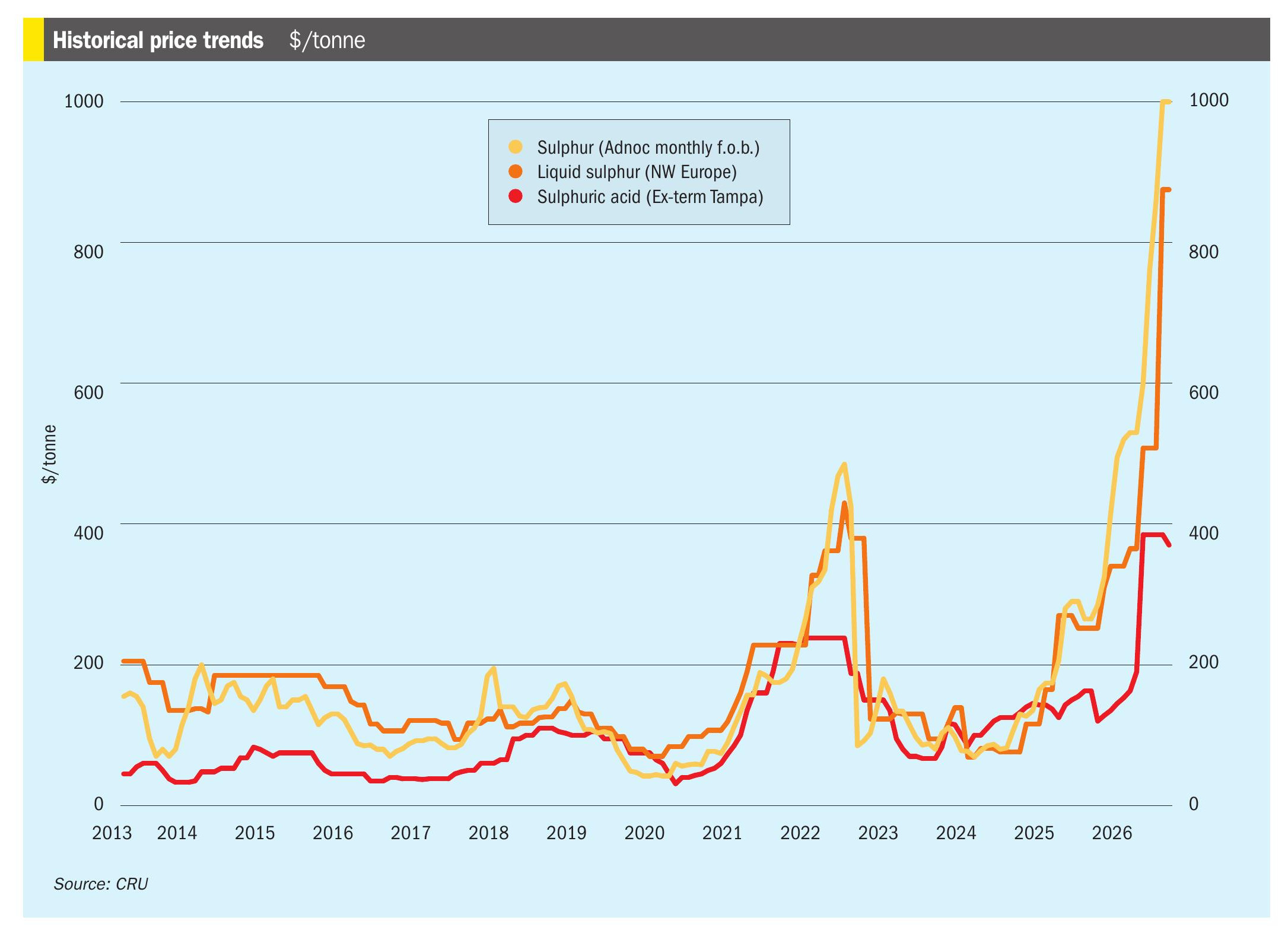
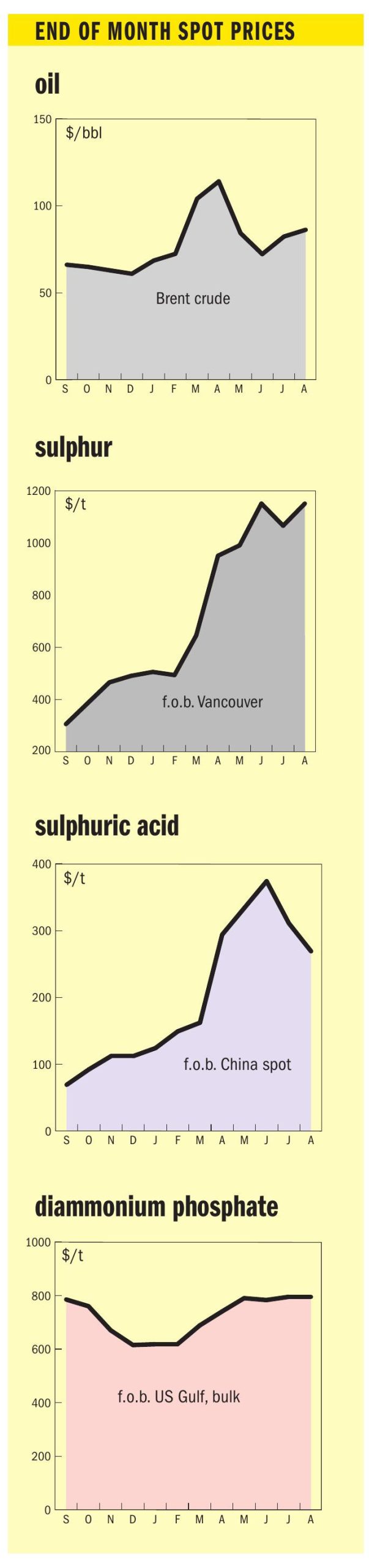
CRU’s Phosphates+Potash Expoconference was held in Paris in mid-April, with the Iran crisis uppermost in everyone’s mind. Margins are under pressure, sulphur has become a strategic constraint, and the phosphates investment pipeline is thin. CRU Principal Consultant Humphrey Knight examined the fallout from the closure of the Strait of Hormuz, noting that fertilizers have been hit harder than most bulk commodities. A large share of exportable sulphur and traded urea normally originates in, or passes through, Gulf producers. The effective closure of the strait has squeezed the traded part of these markets, where international prices are set, and pushed benchmarks up sharply. The global phosphate market is structurally tight, and the combination of Chinese export policy and Middle East logistics has pushed the traded segment into a much more fragile state.

Supply crisis worsens

It is two months on from our previous issue, and almost none of the news has been good from sulphur and downstream markets. Only three sulphur cargoes are confirmed to have transited the Strait of Hormuz since the US and Israeli strikes on Iran began, all loaded at Ruwais, with destinations in India, Tanzania and Morocco, carrying a total of 160,000 tonnes. It is believed that a couple of Iranian vessels with a total of 75,000 tonnes may also have left covertly. But in spite of some Middle Eastern sulphur making its way to Saudi Red Sea ports or Duqm on Oman’s Indian Ocean coast, around 700,000 tonnes is still trapped on ships stranded in the Gulf, and coupled with production cuts in the region, it is estimated that over 1.2 million tonnes has so far been removed from the market.