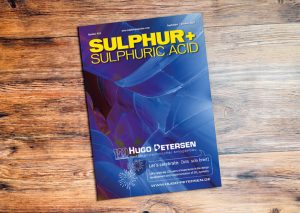
Introducing Sulphur+Sulphuric Acid Magazine
Sulphur magazine has a new title - Sulphur+Sulphuric Acid - better reflecting the editorial focus and breadth of coverage.


Sulphur magazine has a new title - Sulphur+Sulphuric Acid - better reflecting the editorial focus and breadth of coverage.
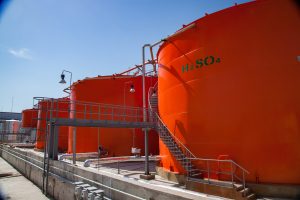
Viviana Alavardo, CRU Sulphur and Sulphuric Acid Analyst, examines how China's 2026 sulphuric acid export suspension removed an estimated 2.8 million tonnes from trade, deepening sulphur shortages. Prices have eased since May but remain historically high amid limited replacement supply.

CRU welcomes you to the 2026 Sulphur+Sulphuric Acid 2026 Conference and Exhibition at the Estrel in Berlin 3-5 November. Join us for a truly global gathering of the sulphur and sulphuric acid community, where leading market and technology experts and producers will gather to connect, share knowledge, exchange ideas and learn about market trends and the latest developments in operations, technology, processes and equipment.

CRU’s Ashmita Sen and Humphrey Knight assess the largest capacity expansion by the Arab Potash Company (APC) in 20 years.

Average phosphate rock grades globally have been on the slide since the 1970s. CRU’s Maria Gamboa looks at the most recent trends in rock grade and the cost implications for phosphate fertilizer production.
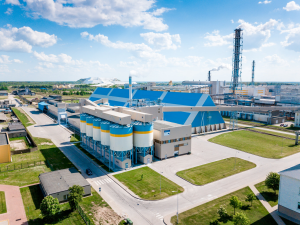
EuroChem has reportedly suspended operations at its Lifosa phosphate fertilizer plant in Kėdainiai, Lithuania, on the back of high raw material sulphur costs, CRU reported on 10 August.

MEScon Connect: Central Asia 2026 marked the first MEScon event held outside the Middle East, bringing together more than 200 delegates in Almaty to strengthen ties across the global sulphur industry. The conference combined technical, commercial and market sessions, highlighting Central Asia’s growing role in sulphur production, logistics and export connectivity. Angie Slavens of UniverSUL Consulting reports on the key highlights.

Fertilizer International will be present on the CRU stand at the 100th Annual Southwestern Fertilizer Conference & Centennial Anniversary Celebration, taking place from Sunday 12 July through Thursday 16 July 2026 at the Hyatt Regency New Orleans.

Peter Harrisson , Principal, Sulphur & Sulphuric Acid Market Services, provides an overview of the global sulphur market.

We speak to Justin Rackleff, CRU’s Americas Lead, Fertilizer Value Chain, about the US market state-of-play ahead of this year's Southwestern Fertilizer Conference.