Middle East
22 September 2026
SABIC AN makes FID for SAN-7 and selects technology providers
Written by Sofia D'Olivo
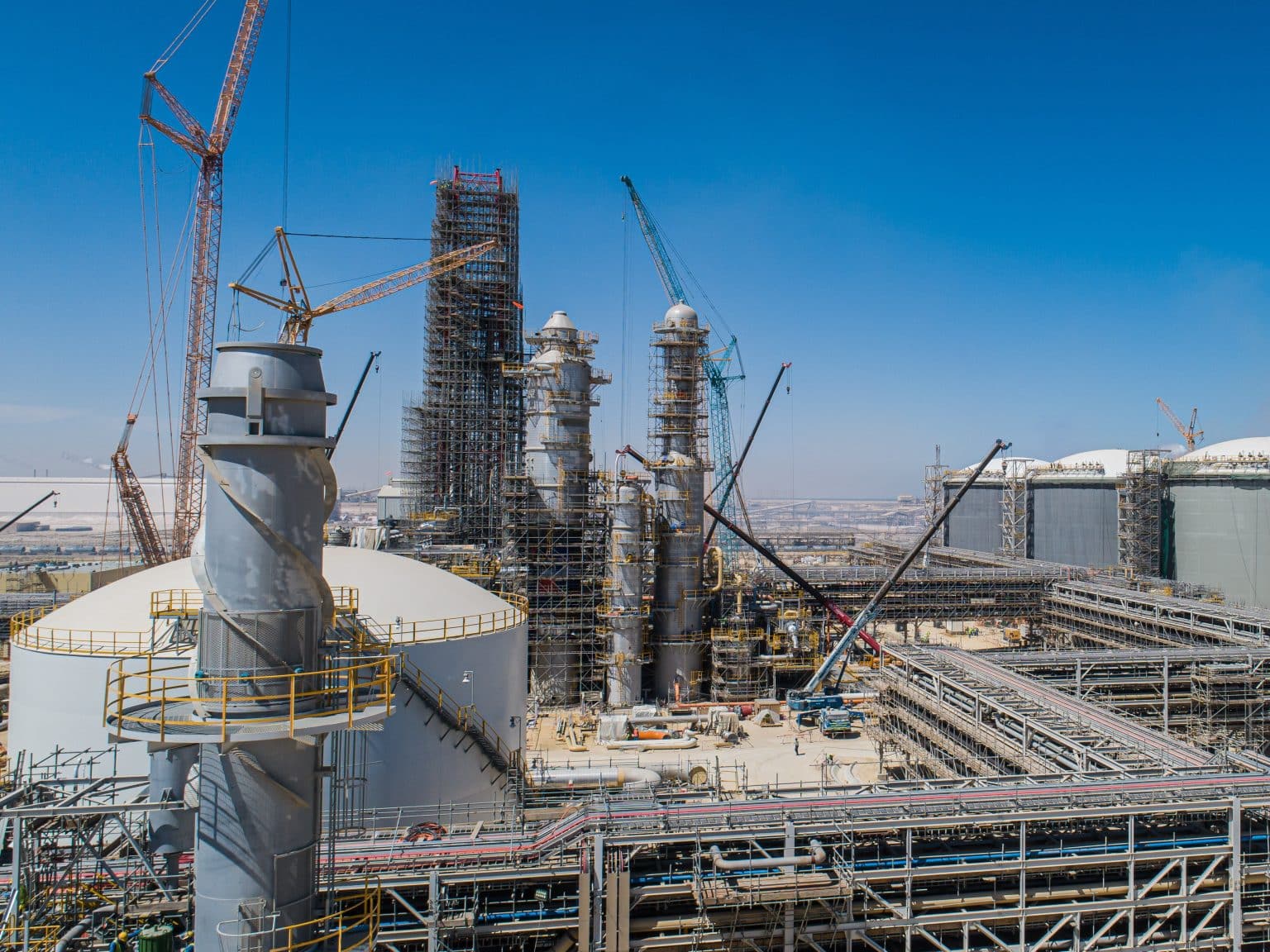
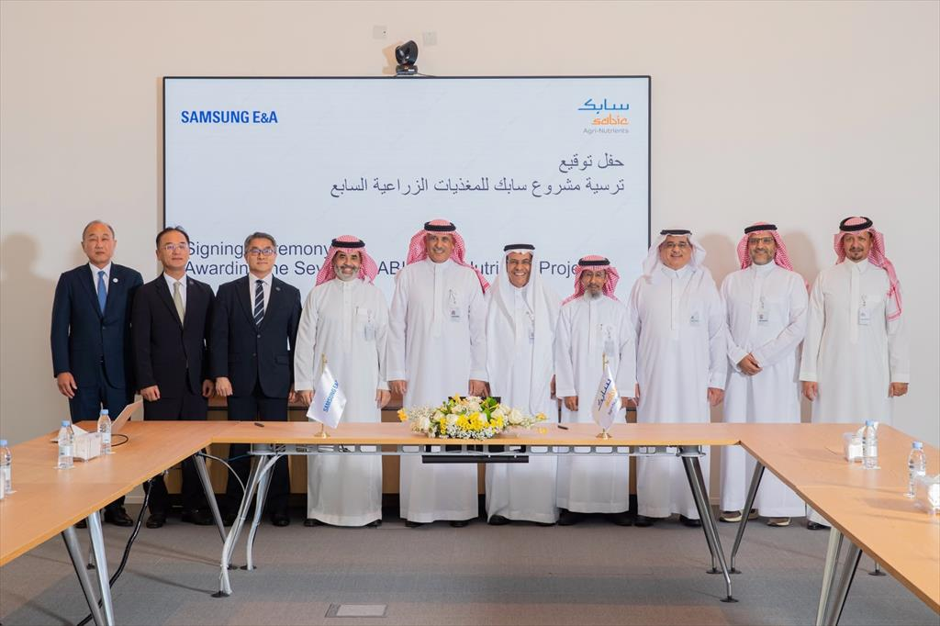
SABIC Agri-Nutrients Company (SABIC AN), Saudi Arabian fertilizer producer, has taken final investment decision on its SAN-7 project in Al Jubail. The development will add 1.2 million t/a of ammonia capacity and 2.6 million t/a of urea capacity. The EPC contract has been awarded to Samsung E&A Co., Ltd. for approximately $3.5 billion, with construction expected to start in Q4 2026.
The complex will include two urea plants incorporating technologies from Stamicarbon and thyssenkrupp Uhde Fertilizer Technology. MAIRE’s Nextchem, acting through its nitrogen technology licensor Stamicarbon, will provide an NX STAMI™ Urea technology package for the two units under a contract valued at €125 million. Its scope includes technology licensing, the Process Design Package and proprietary equipment.
SAN-7 will also include an ammonia plant based on KBR technology. Natural gas will be used as feedstock for ammonia production, following approval of the required feedstock allocation by Saudi Arabia’s Ministry of Energy earlier this year.
The project will also include a carbon-capture unit employing technology from Shell Global Solutions International. SABIC AN expects the integration of carbon-capture and emissions-intensity-reduction technologies to lower the carbon footprint of its products, support its sustainability and carbon-neutrality goals, and strengthen its position in low-carbon industrial production.
Commercial operations are targeted for Q4 2030 and SAN-7 will increase SABIC AN’s urea capacity by 54%, from 4.8 million t/y to 7.4 million t/y. The expansion is intended to strengthen the company’s position as a major global producer and exporter of nitrogen-based nutrients, in line with its 2040 growth strategy.
Fahad Al-Battar, SABIC AN’s CEO, said: “The project represents a key pillar of SABIC AN’s 2040 growth strategy and contributes to achieving its sustainability and carbon neutrality targets. Through this expansion project, we aim to secure reliable and sustainable supplies for our customers, maximize value for our shareholders, contribute to realizing the goals of Saudi Vision 2030, and support global food security.”
SAN-7 reinforces Saudi Arabia’s position as a major producer and exporter of nitrogen fertilizers. Its location in Al Jubail provides access to established industrial infrastructure and export logistics. The project will add 2.6 million t/a of urea capacity from 2030, potentially increasing supplies available to export markets. Its post-combustion carbon-capture unit also reflects the growing incorporation of carbon-management measures into new gas-based ammonia and urea projects in the Middle East.
However, the additional capacity will enter an increasingly competitive supply pipeline in low-cost gas regions. “We have been seeing a lot of announcements in low-cost regions recently, because of which the supply pipeline looks very crowded, especially beyond 2030,” said Pranshi Goyal, Senior Analyst at CRU. “Even QatarEnergy in Qatar is planning on doubling its capacity, adding 6 million t/y over the next 10 years, and these companies will be competing fiercely to find enough demand, especially as no offtake agreements are in place as of now.” Goyal added that SABIC AN’s final investment decision was therefore “a surprise, particularly right now because of the ongoing uncertainty in the region.”