Sulphur 426 Sep-Oct 2026
17 September 2026
Pre-purchase review of sulphur quality: A buyer’s guideline
SULPHUR QUALITY
Pre-purchase review of sulphur quality: A buyer’s guideline
As sulphur markets tighten, higher prices are bringing long-stored, mined and lower-quality material into commercial circulation, increasing the risks associated with contamination, acidity and inconsistent supply. Jan Hermans of Elessent Clean Technologies outlines how buyers can assess sulphur quality through robust sampling, careful Certificate of Analysis review and close collaboration between purchasing, laboratory and production teams.
The recent rise in sulphur prices is a clear reminder that commodity markets reward scarcity. Against a backdrop of geopolitical disruption and structural shifts in energy markets, sulphur buyers must understand both the causes of tightening supply and the operational implications of changing product quality.
Historically, customers could obtain bright yellow, refinery-produced sulphur at relatively affordable prices. However, as the energy transition advances and renewable generation increasingly displaces oil and gas consumption, refinery capacity has begun to contract in Europe and the United States. China is also expanding renewable energy capacity, although this is currently adding to, rather than replacing, fossil-fuel supply.
This matters because refinery sulphur production is declining while global demand continues to grow. Sulphur is essential to fertiliser production and the extraction of critical metals, both of which are central to food security and the energy transition. This tightening supply-demand balance was already contributing to higher prices.
More recently, disruption to exports of solid sulphur from the Middle East via the Strait of Hormuz has further constrained availability and disturbed global supply chains. As a result, sulphur prices have surged to peak levels.
Market scarcity and high prices are creating opportunities for alternative suppliers. Although sulphur processing requires substantial capital investment, current economics are making new and previously marginal supply sources more attractive. This may expand supply, but it can also increase the risk of inconsistent product quality and unreliable delivery.
For example, Canada is remelting sulphur blocks that have been stored since the mid-1990s. Prolonged storage can degrade product quality, meaning that recovered sulphur may no longer meet expected specifications. When combined with lower-cost melting facilities, this can result in more variable product entering the market.
In Iraq and parts of Central Asia, substantial stockpiles of waste sulphur are available. These range from so-called black sulphur to dumped sulphur exposed to environmental contamination and acid formation over extended periods. For buyers considering these sources, quality is not the only challenge: limited infrastructure between inland stockpiles and export terminals can materially affect logistics costs and supply reliability.
Exceptionally high prices can therefore make formerly uneconomic stockpiles commercially viable. However, this raises a critical question for sulphur buyers:
How can buyers distinguish between suitable and unsuitable sulphur, while protecting the reliability of their supply?
The sulphur supply chain
A clear understanding of the sulphur supply chain is essential when evaluating product quality (Fig. 1).
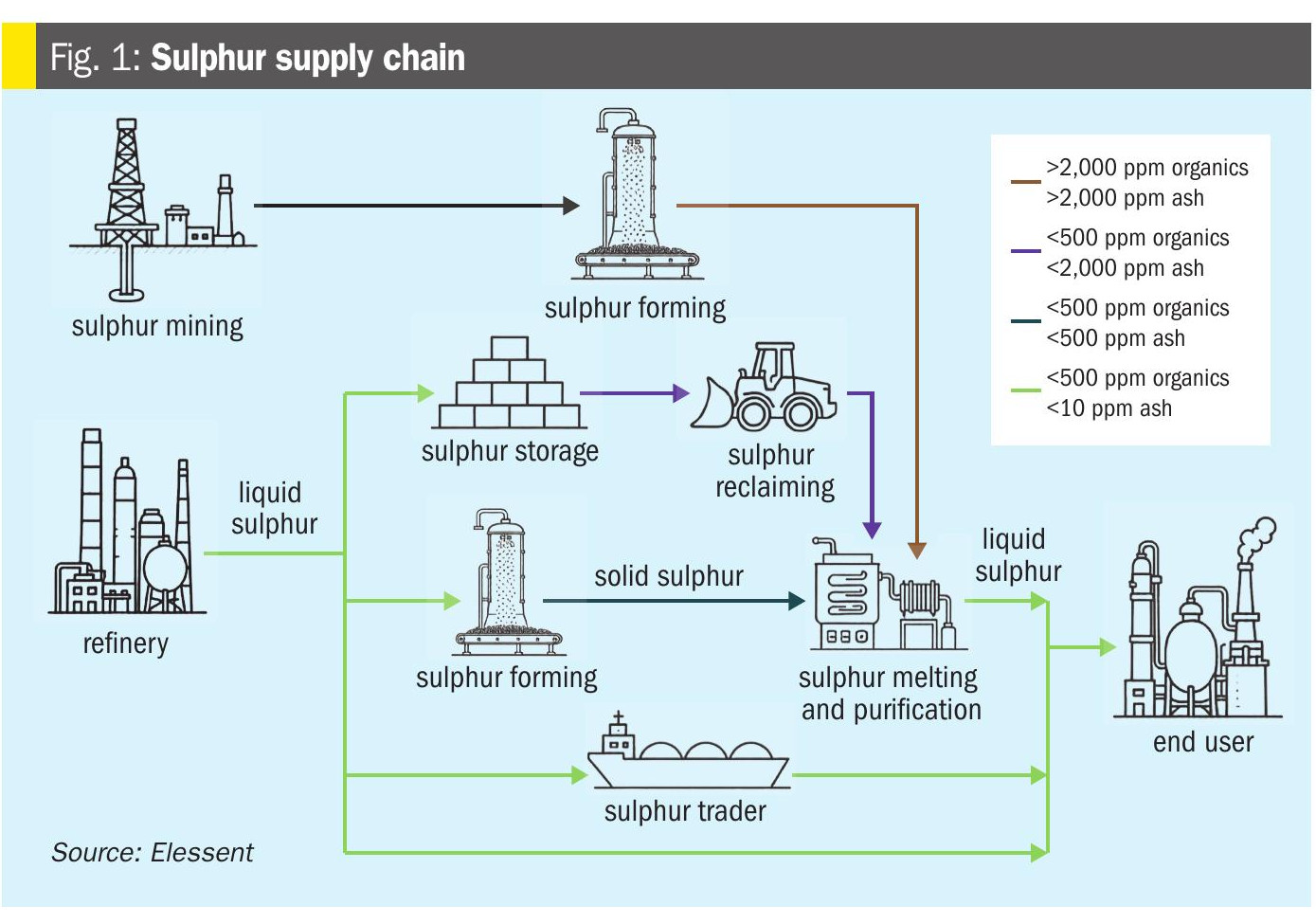
There are three principal sources of supply:
- High-quality sulphur supplied directly from refineries
- Long-term stored refinery sulphur
- Mined sulphur
High-quality sulphur supplied directly from refineries
The sulphur supply chain begins at the refinery, where sulphur is recovered as a by-product of oil and gas processing. From there, it can take several routes before reaching the end user.
Some refinery-produced sulphur is supplied directly to a consumer, representing the shortest route from production to use. Other volumes are sold through traders, who distribute product according to regional demand and customer requirements. In these routes, sulphur is commonly handled in molten form and generally retains a high level of purity.
Where customers are located further from a refinery, or where storage and transport in solid form are required, molten sulphur is sent to a forming facility. Here, it is converted into granules, pellets or pastilles to improve handling, storage and transport characteristics. Modern forming technologies can produce sulphur with purity of up to 99.9%, creating a premium product stream.
Once formed, solid sulphur moves through the distribution network to end users. During storage, loading, reloading and transport, it may become contaminated by dust, soil, metals and other foreign material. The degree of quality deterioration depends on handling practices, storage conditions and the wider logistics chain.
Elemental sulphur is also subject to natural oxidation. Exposure to oxygen, moisture and environmental conditions can gradually lead to the formation of sulphates and, in some circumstances, small quantities of sulphuric acid. Although these reactions are generally slow, they should be considered when designing storage, handling and distribution systems.
Long-term stored refinery sulphur
Historic sulphur blocks and stockpiles
Historically, surplus refinery sulphur was stored in large blocks and stockpiles, particularly in Canada and the Middle East, when production exceeded demand. With prices rising, many of these reserves are being recovered and reprocessed for commercial use.
The quality of long-term stored sulphur can vary substantially. During storage, excavation, transport and remelting, the material may be contaminated with soil, dust, metals and other impurities. Acidity and contamination levels can be higher than expected, particularly where stockpiles have been exposed to environmental conditions for extended periods.
Degraded sulphur deposits
In some regions, sulphur was historically deposited in large open areas and left undisturbed for many years. These degraded stockpiles may contain significant accumulated contamination, while acidity can increase over time. Despite these quality challenges, elevated prices have renewed interest in recovering and processing such material as an additional supply source.
Mined sulphur
Mined sulphur represents a smaller, but potentially growing, source of supply. Although Frasch sulphur mining is no longer widely practised, active operations remain in Poland. Higher prices have also prompted renewed consideration of historic mining projects that were abandoned during the 1960s and 1970s, when refinery-produced Claus sulphur became widely available. Examples include former sulphur mining areas in Mexico and Eastern Europe.
Frasch-mined sulphur, often referred to as dark sulphur, typically contains higher levels of organic contaminants than refinery sulphur, making it more challenging to process. Large open sulphur deposits in Iraq can contain even greater concentrations of organic material and are commonly described as black sulphur.
For both Frasch-mined and black sulphur, pre-treatment is often recommended to reduce organic contamination before further processing. In sulphuric acid production, this can improve operational efficiency, reduce maintenance requirements and lower overall operating costs.
Ultimately, all supply routes converge at the sulphur user, where sulphur is used to produce sulphuric acid. Regardless of origin, sulphur is typically remelted and filtered to remove ash, solids and other contaminants, improving consistency before use or onward distribution.
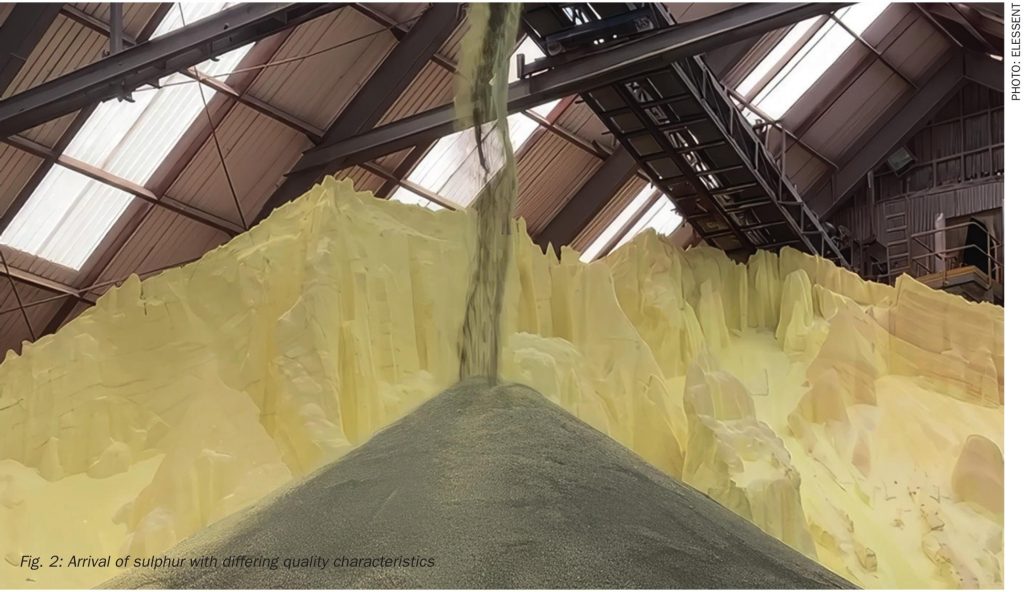
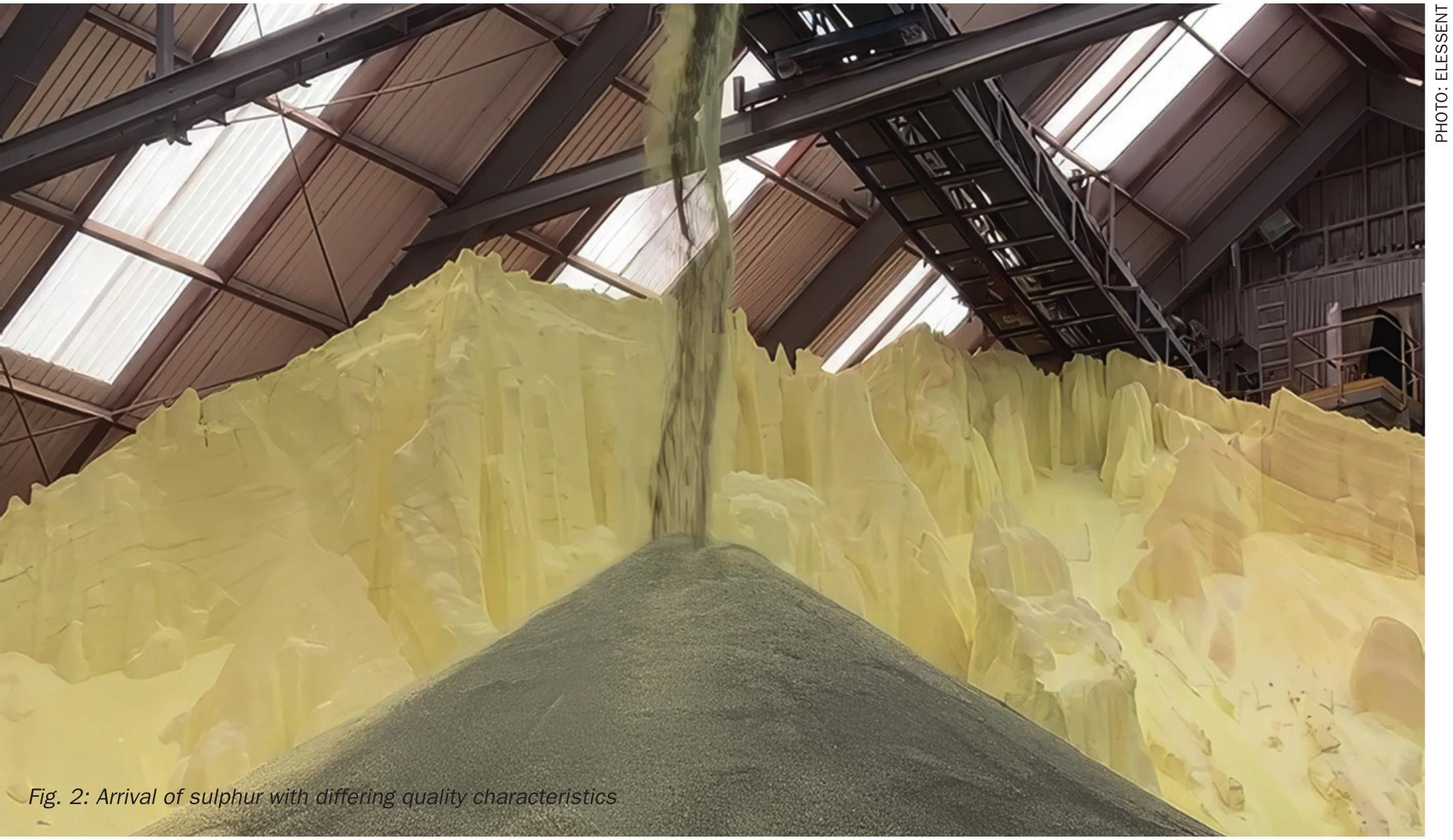
The effectiveness of remelting and filtration is critical. Final sulphur quality directly affects the reliability, efficiency and maintenance requirements of the sulphuric acid plant. The key question is whether the processing facility can reliably manage incoming sulphur (see Fig. 2) while meeting production targets and preserving an acceptable catalyst life.
Sulphur quality and analytical methods
The purchase of solid sulphur involves significant administrative documentation, covering contractual terms, logistics and payment conditions. However, when evaluating the product itself, buyers often rely primarily on one document: the Certificate of Analysis (CoA).
A typical sulphur CoA includes:
- Batch or lot number
- Date of manufacture and date of analysis
- Supplier name
- Sulphur purity, such as 99.5% minimum
- Moisture content
- Ash content
- Carbon or organic content
- Acidity
- Particle-size distribution, for granular sulphur
- Laboratory authorisation or signature
- Test methods used
The reliability of a CoA depends on the representativeness of the sample. For example, was the vessel loaded from one stockpile or from several locations? Does the cargo contain material from multiple suppliers or quality streams? These factors should be considered when assessing the sampling procedure and interpreting reported results.
For the greatest level of assurance, sampling should take place at three stages:
- Before loading – to issue the CoA used in the sale process. Physical and chemical testing should be completed before loading, and moisture sampling should take place no more than seven days before loading begins.
- During loading – sampling by the vessel owner can help protect against potential quality claims.
- On arrival – to verify that delivered the product conforms with the CoA and contractual specification.
The next question is more practical: what do the values on a CoA mean for day-to-day sulphur plant operation?
Physical and mechanical considerations
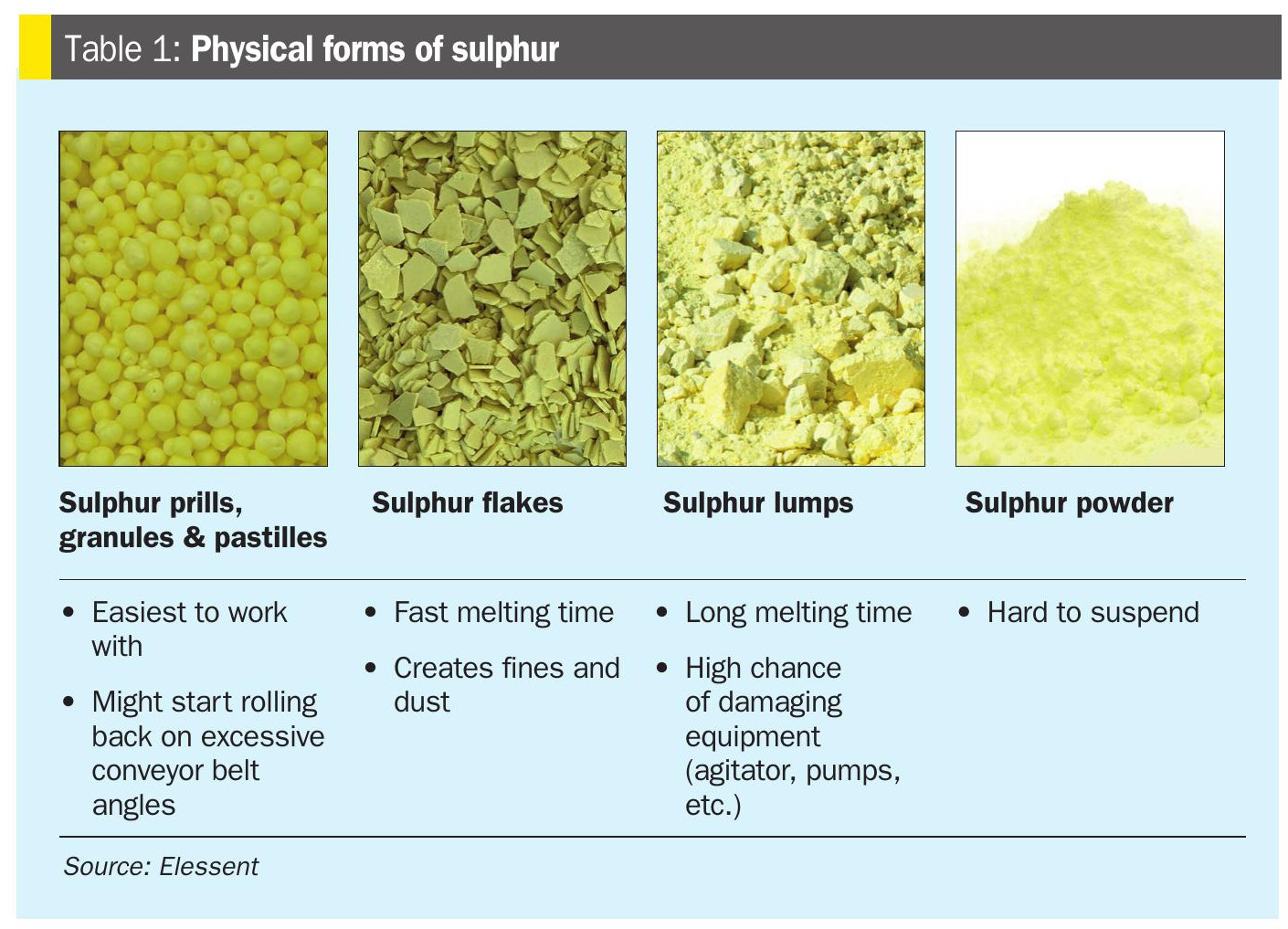
The physical form of sulphur has a direct effect on handling, storage and melting performance (Table 1).
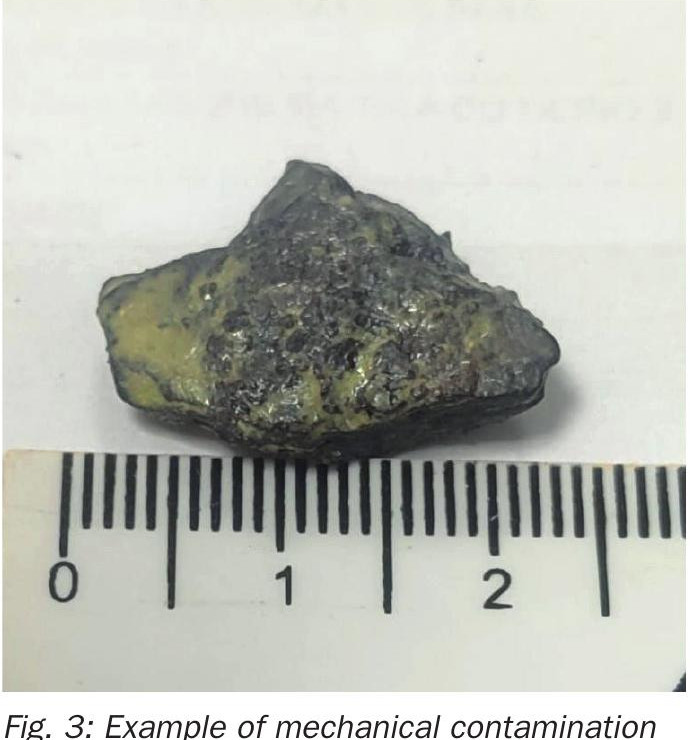
Mechanical contamination (Fig. 3) must also be considered. Foreign objects, including gloves, peddles, bolts and other materials associated with handling operations, can enter the sulphur stream. Such contaminants may not be captured in the relatively small samples used for routine testing and may therefore be absent from the CoA.
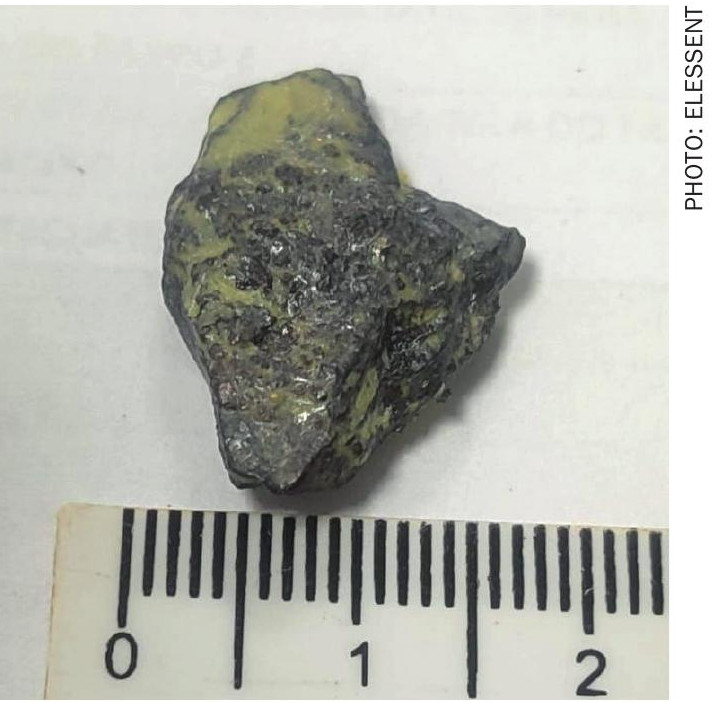
Understanding physical and mechanical properties is therefore as important as understanding chemical composition when seeking safe, reliable and efficient sulphur processing.
Interpreting analytical results
Obtaining a representative sample is only the first step. Buyers must also understand how that sample has been analysed and whether the reported results can be compared meaningfully with other results or specifications.
Official testing standards exist, but some have been withdrawn, superseded or replaced. A CoA may report certain parameters without identifying the test method, while others may reference standards or methods such as ISO, ASTM, IHM, AFPC, IS 6655 or AM-xx.
These references can appear authoritative, but buyers should understand what each method involves and whether results obtained through different methods are directly comparable.
Typical parameters reported on a CoA
Sulphur purity
Sulphur purity can be determined through direct analytical testing or calculated from the concentrations of identified impurities.
Ash content
Most standardised ash methods use a similar principle: a sample is heated under controlled conditions until combustible material is removed, leaving an inorganic residue. However, results can differ depending on sample mass, furnace temperature, heating time and calculation method.
Organic content
Analytical results for organic content can vary substantially between methods. Traditional wet-chemical techniques may generate different results from modern instrumental methods, each with different detection limits, strengths and limitations.
Acidity
Acidity may be determined through titration-based or instrumental methods. Differences in sample preparation, endpoint selection and calculation procedures can result in different reported values.
Moisture content
Moisture analysis is generally more straightforward and is typically based on measuring mass loss after drying at a specified temperature for a defined period. Nevertheless, drying conditions and the characteristics of the sample can still influence the result.
When reviewing a CoA, the analytical method should always be considered alongside the reported value (see Table 2).
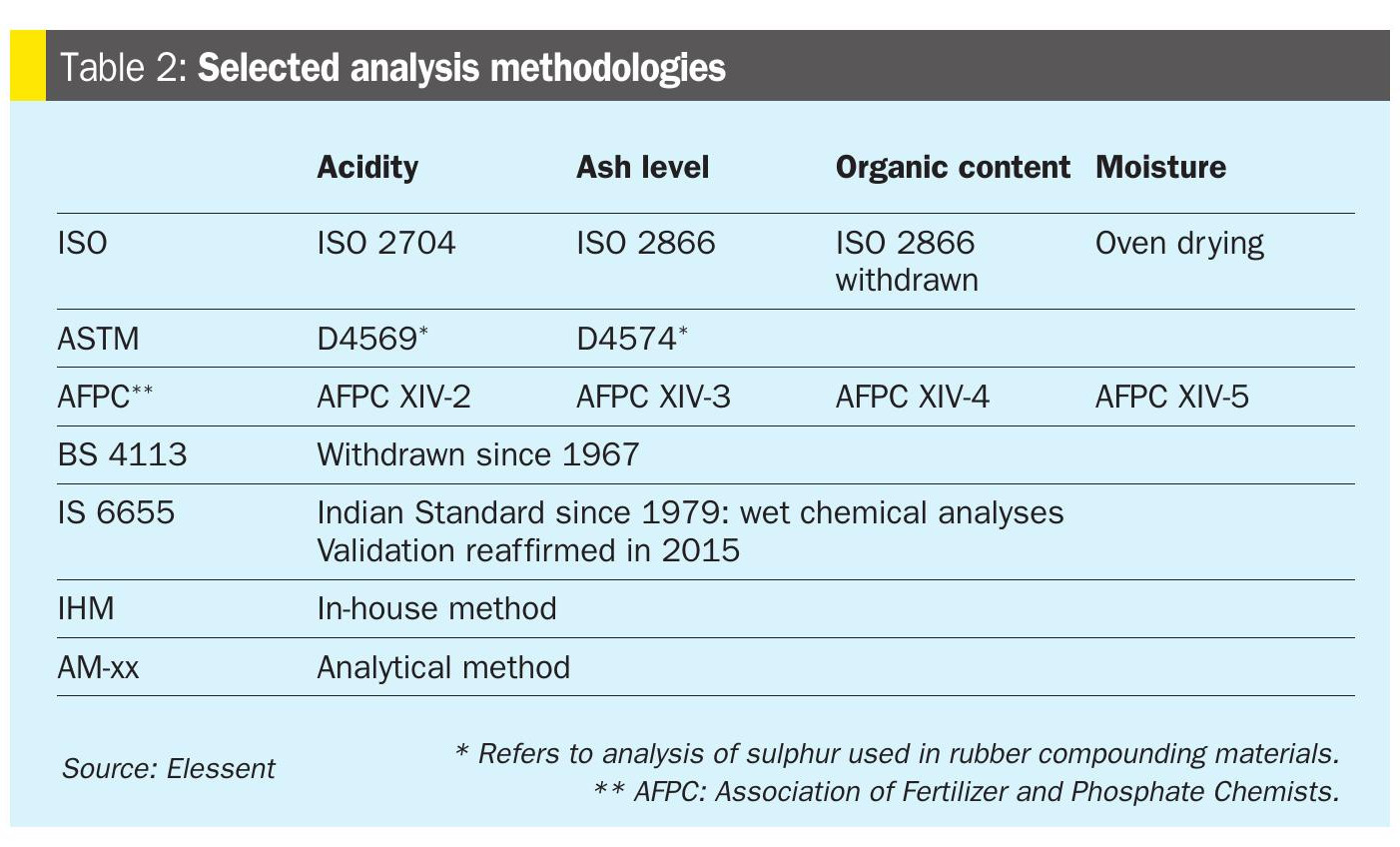
Similar specifications do not necessarily produce comparable results where different methods have been used. Understanding the methodology behind each parameter is essential to assessing product quality and supplier performance.
What sulphur quality means for plant performance
The implications of poor-quality sulphur extend beyond a laboratory result. They can affect plant availability, equipment integrity, operating costs and safety (Table 3).
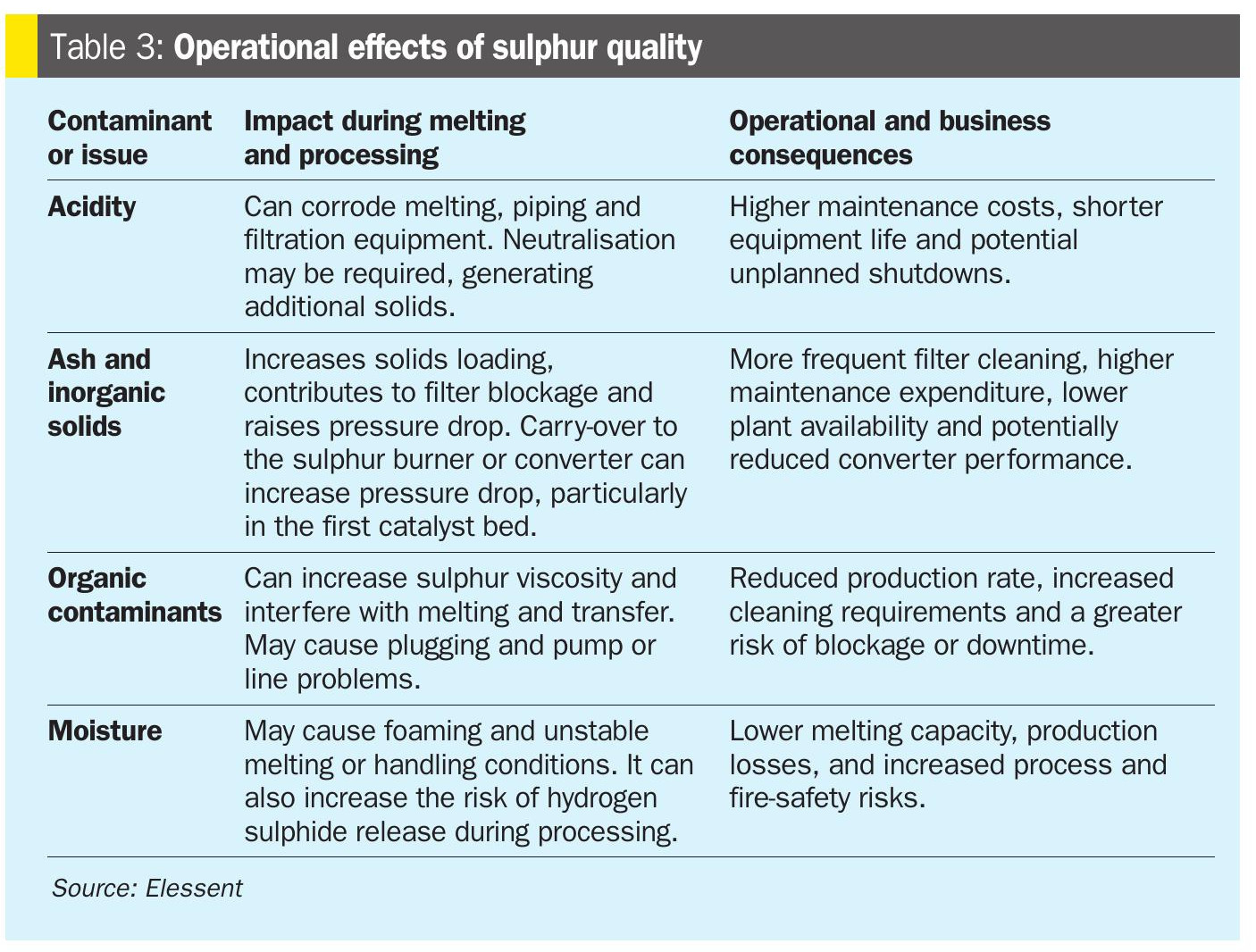
A detailed CoA review can reveal non-conformities related to analytical methods and reporting practices. These issues can undermine confidence in the reported results, create discrepancies with counter-analysis and, more importantly, increase the risk of receiving sulphur that does not meet site requirements. Potential warning signs include:
- Inconsistencies between the analytical procedure cited and the name of the issuing laboratory or institute. No clearly stated analytical procedure.
- Vague or insufficiently described methods, such as IHM or AM-xx, that provide limited information on how testing was performed.
- An unusually short interval between the analysis date and the bill of lading date.
Conclusion and recommendations
Effective sulphur purchasing requires close collaboration among the Laboratory, Production and Purchasing teams (Fig. 4).
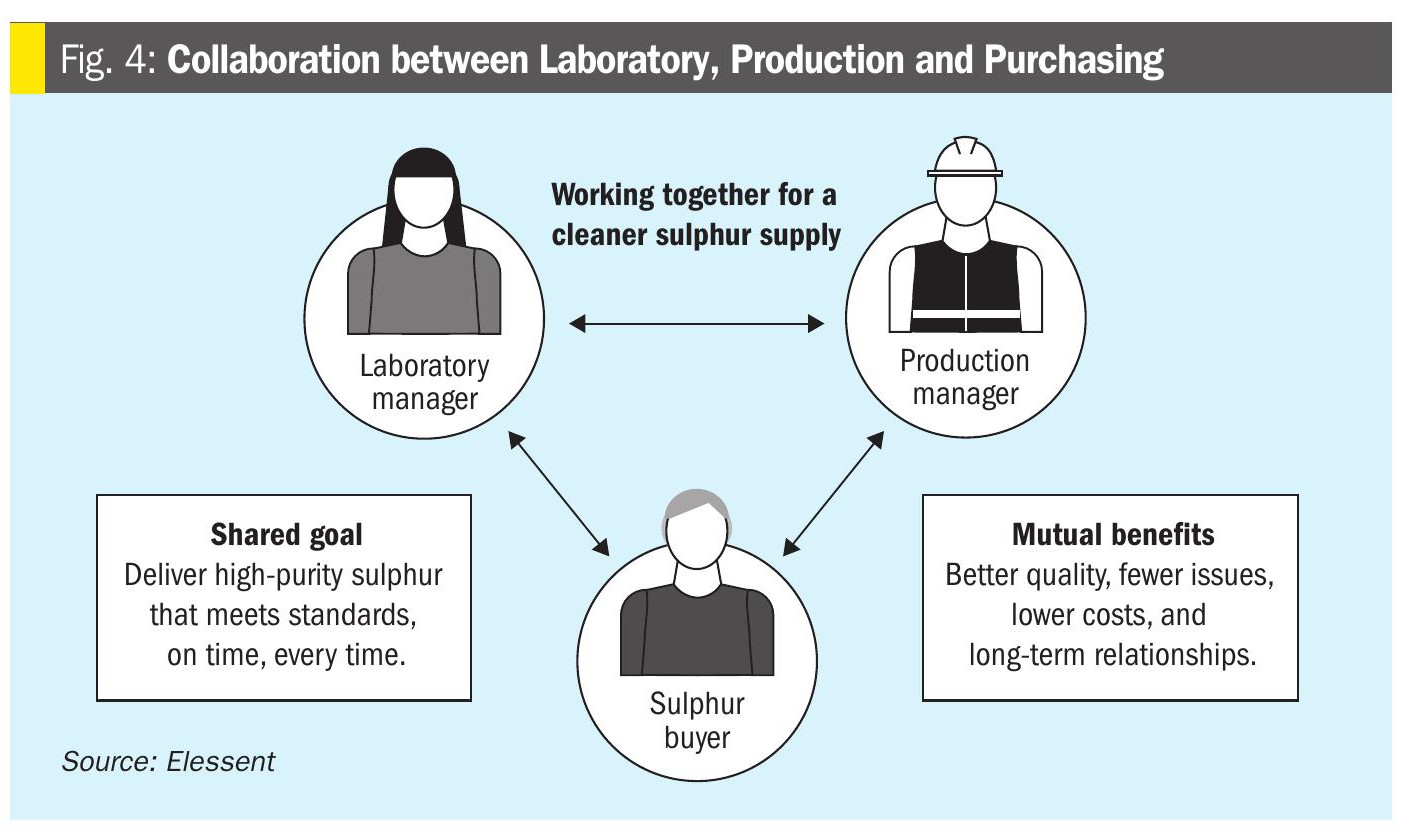
Each team has a distinct role:
- Laboratory management should complete a thorough technical review of the CoA and the methods used.
- Plant management should assess the potential operational risks and determine whether preventive measures are needed to handle the expected sulphur quality.
- Purchasing management should retain responsibility for the buying process while incorporating technical quality and supplier-reliability considerations.
This collaboration enables the plant to prepare for incoming shipments and take preventive action to minimise quality issues, operational disruption and production losses. Additional practical measures include:
- Do not base purchasing decisions on price alone; product quality and supplier reliability should be core evaluation criteria.
- Conduct a detailed CoA review before approving a purchase.
- Request photographs of the stockpile or cargo before shipment to obtain an initial visual indication of product condition.
- Where supplier analysis is uncertain, appoint an independent inspector to conduct counter-analysis and verify compliance with contractual specifications.
A CoA should not be treated as automatic confirmation of sulphur quality. A rigorous technical review, supported by coordination between Laboratory, Production and Purchasing, can materially reduce the risk of receiving non-conforming material.
In a changing sulphur market, understanding what is being purchased, how its quality has been determined and what that quality means for plant performance is becoming just as important as the purchase price itself.