• Skip to main content

    Sulphur 425 Jul-Aug 2026
    Elessent and Thermal Systems target steaming bottlenecks in sulphuric acid plants

    Written by Natalie Noor-Drugan


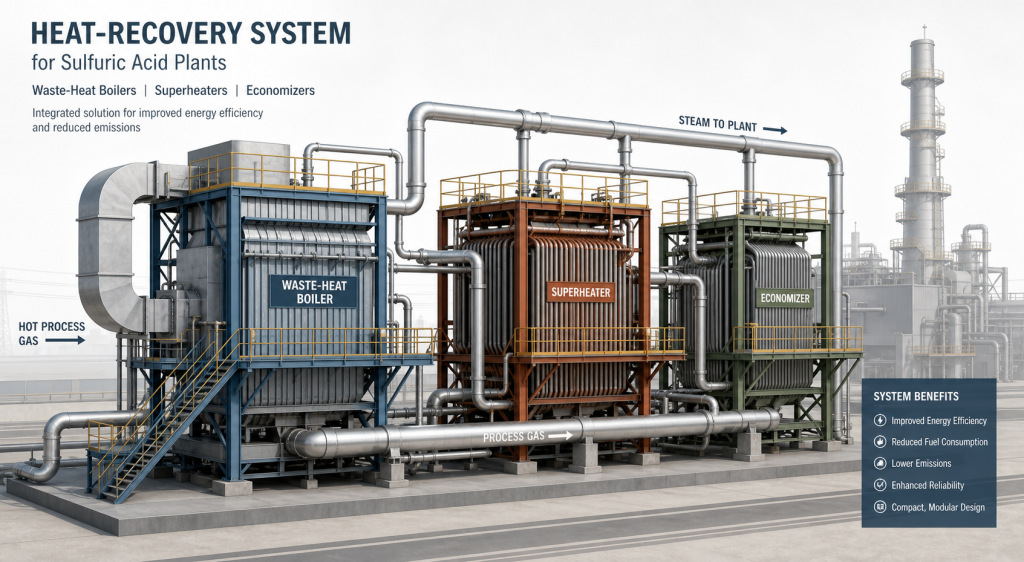
    Elessent Clean Technologies has entered a strategic alliance with India‑based Thermal Systems Private Limited to supply steaming equipment for MECS® sulphuric acid plants in North and South America. The deal links MECS® sulphuric acid process design with Thermal Systems’ boiler, superheater and economiser fabrication, giving operators a single route to specify and source new heat‑recovery equipment rather than managing separate engineering and OEM contracts.

    Elessent says steaming equipment replacement is often treated as a like‑for‑like swap even though many acid plants now run at different loads and conditions than when their original units were installed. Under the alliance, the partners plan to review the full heat‑recovery train – not just a single boiler or superheater – to match equipment selection to current duty, improve uptime and reduce operational risk.

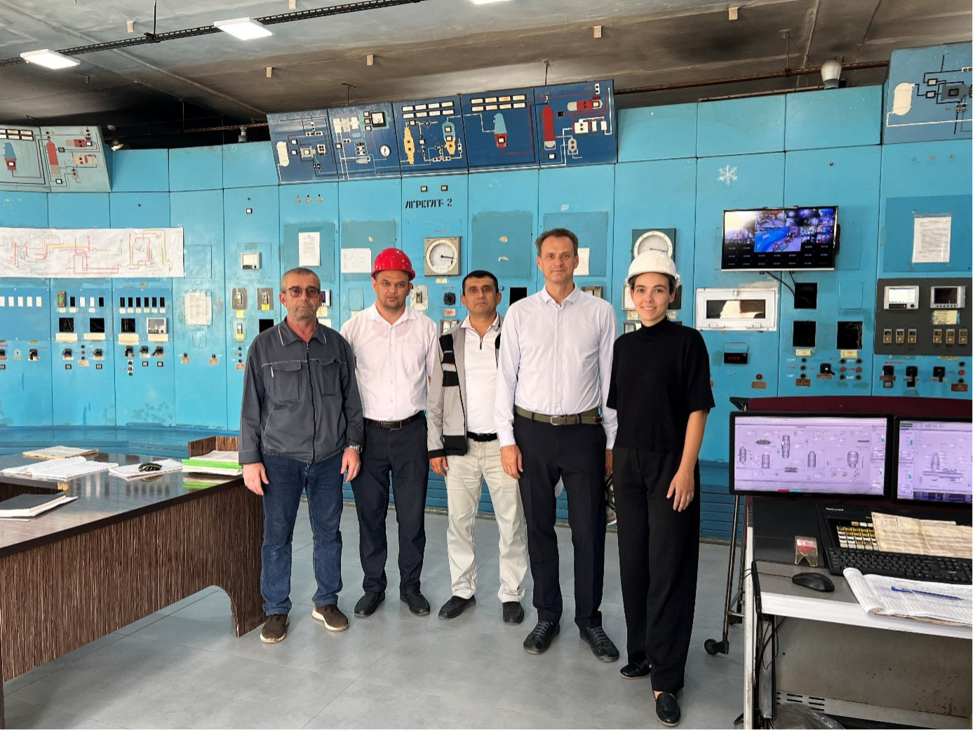
    Thermal Systems will manufacture to MECS® design standards, while Elessent will take responsibility for integrating new steaming equipment into existing MECS® heat‑recovery systems. “The combination of MECS® design standards and Thermal Systems steaming equipment fabrication capabilities, allows us to better meet our customers’ needs by providing the equipment directly to them,” said Kevin Bockwinkel, Vice President, Cleaner Fertilizers, Metals and Chemicals at Elessent.

    The alliance plugs directly into MECS® sulphuric acid technology already deployed in phosphates, non‑ferrous metals, oil refining and general chemicals, a portfolio that now exceeds 1,000 plant licences and projects. For sulphuric acid producers planning overhauls, it effectively adds a packaged steaming‑equipment option to Elessent’s wider line‑up, which also includes HRS™ heat‑recovery systems, SolvR® SO₂ scrubbing and MAX3™ sulphuric acid production technology.

    Latest in Asia

    Nickel Industries starts up ENC acid plant

    Nickel Industries announced started up the sulphuric acid plant at its new Excelsior Nickel Cobalt (ENC) HPAL project in the final week of June. The ENC Project is a massive, multi-billion dollar high-pressure acid leach (HPAL) facility located in the Indonesia Morowali Industrial Park (IMIP) in Central Sulawesi, Indonesia. It is operated by Australia’s Nickel Industries to supply battery-grade materials for the electric vehicle (EV) market. At capacity, it is expected to yield roughly 72,000 t/a of contained nickel equivalent as mixed hydroxide precipitate (MHP), nickel sulphate, and nickel cathode.

    Russia bans rail transport of Kazakh sulphur

    Russia has ordered a “temporary cessation” of rail transport of all sulphur originating from Kazakhstan that is destined for Russian seaports and railway checkpoints, representing a significant policy shift, according to an official order from the Federal Agency for Railway Transport (Roszheldor). The directive, which took effect from May 26th, orders a halt to the loading and movement of Kazakh sulphur “until further notice.” While the measure is officially described as temporary, the order provides no specific timeline for when the transit might resume. The action cites instructions from Russia’s First Deputy Prime Minister, D.V. Manturov, as its basis.

    Restart for Hongda smelter

    Hongda's 100,000 t/a zinc smelter, in China's Sichuan Province, completed scheduled maintenance and equipment upgrading and officially resumed production on 21st June, the company said. The smelter had been shut down for planned maintenance since January, during which time a modernisation project for the electrolytic zinc smelting system was also carried out. Following the nearly six-month revamp, the resumption of production is expected to improve overall operational efficiency, reduce unit production costs, and increase the utilisation rate, The company said. The stable supply of sulphuric acid generated by the zinc smelter will effectively leverage the synergies of the "sulphur-phosphorus" industrial chain in the company, an help alleviate cost pressures on the company's phosphorus chemical business segment.