Agricultural
17 June 2026
FAO–IFA renew fertilizer pact for data driven, sustainable nutrient use
Written by Natalie Noor-Drugan
The UN Food and Agriculture Organization (FAO) and the International Fertilizer Association (IFA) have renewed their cooperation agreement to push more sustainable, evidence based fertilizer use and strengthen global agrifood resilience.
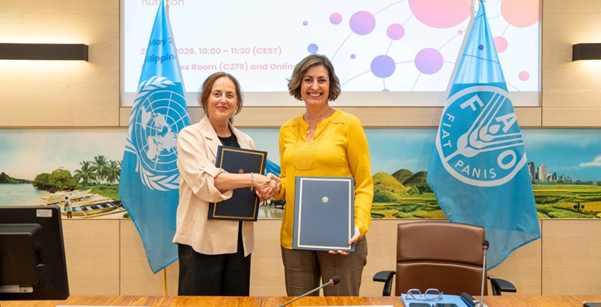
Signed in Rome on 25 May 2026 by FAO Deputy Director General Beth Bechdol and IFA Director General/CEO Alzbeta Klein, the new Memorandum of Understanding is the third between the two bodies and marks ten years of formal partnership on plant nutrition and food security. It reinforces joint work on FAO’s International Code of Conduct for the Sustainable Use and Management of Fertilizers, described as a “living framework” now being implemented via regional workshops, capacity building and support for harmonised national regulations.
A core focus remains fertilizer statistics and transparency. FAO and IFA will continue cross analysis of FAOSTAT and IFASTAT datasets to improve the quality and coverage of global fertilizer data, which underpin policy decisions on markets, trade and nutrient management worldwide. The renewed MoU also extends collaboration on nutrient use efficiency, soil health, climate resilience, biodiversity and circular nutrient management, alongside innovation, farmer outreach and the development of tools to support more productive, resilient and sustainable agrifood systems over the next three years.