Agricultural

28 July 2026
Tecnimont to provide license and EPC contract for new urea facility
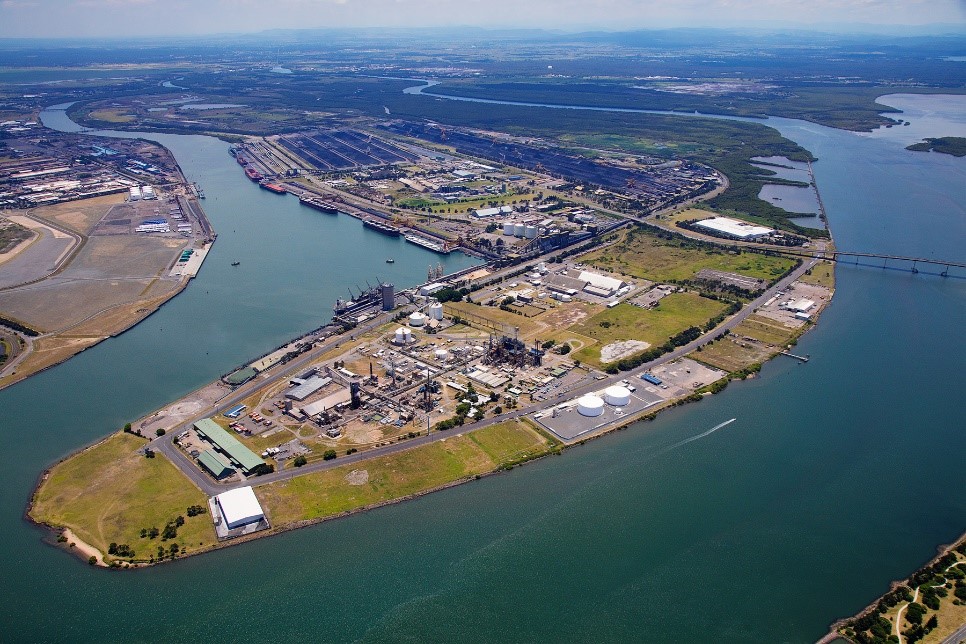
Maire Group subsidiary Tecnimont has been awarded a contract by Fértil Pampa SAU, a wholly owned subsidiary of Pampa Energia SA, for a large-scale fertilizer complex in Argentina. The facility will include a large-scale ammonia plant and two parallel ultra-low energy urea trains, each with its own granulation unit, with a combined capacity of 6,000 t/d (2.1 million t/a), making it the largest urea plant in Latin America by production. It will occupy an 80-hectare site within the Bahía Blanca Industrial Complex, in Buenos Aires province. The location is adjacent to Pampa’s existing power generation assets, benefiting from direct access to key infrastructure, including gas pipelines, high-voltage transmission lines, water intake systems, and a deep-water export port, enabling efficient logistics.
Tecnimont’s scope of work includes engineering, procurement, commissioning, and start-up activities. Nextchem has been selected as technology provider, leveraging Stamicarbon’s urea melt and granulation licensing technologies and process design package, as well as associated proprietary equipment, and the supply of the primary reformer for syngas production by KT Tech. KBR will provide the ammonia technology license. The total value is approximately €1.3 billion, of which €140 million relates to Nextchem’s technology package. Overall execution of the project will involve SACDE SA, a leading Argentine company, for the construction. Completion is expected in 41 months.
Alessandro Bernini, CEO of Maire, commented: “This award marks our entry in Argentina, further diversifying our geographical footprint, and highlights our ability to integrate Tecnimont’s recognised project execution capabilities alongside Nextchem’s technology portfolio to deliver large-scale industrial projects worldwide. We are proud to contribute to the development of this strategic fertilizer complex in the region, which will support the monetisation of natural gas reserves in the domestic downstream sector, and also strengthen the country’s fertilizer production.”