Asia

PMP inaugurates fifth phosphoric acid line at Jorf Lasfar

Written by Natalie Noor-Drugan


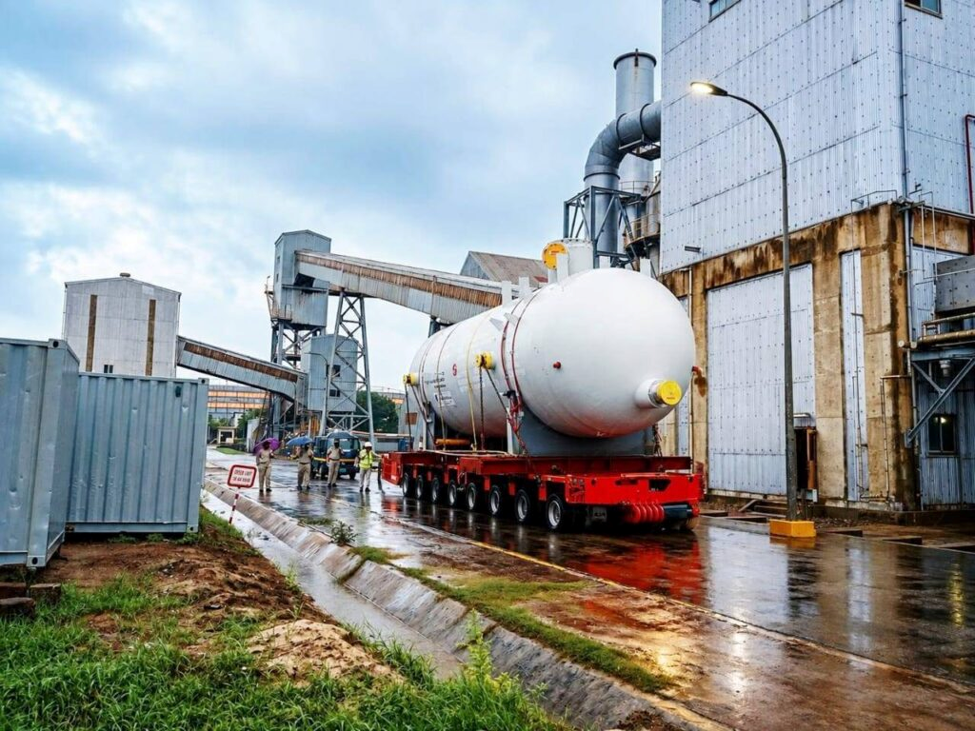
Pakistan Maroc Phosphore (PMP) has completed a fifth Phosphoric Acid Concentration (CAP) line at its Jorf Lasfar plant in Morocco. The new line adds 400 tonnes per day (t/d) of capacity and increases overall phosphoric acid production by 50,000 tonnes per annum (t/a).

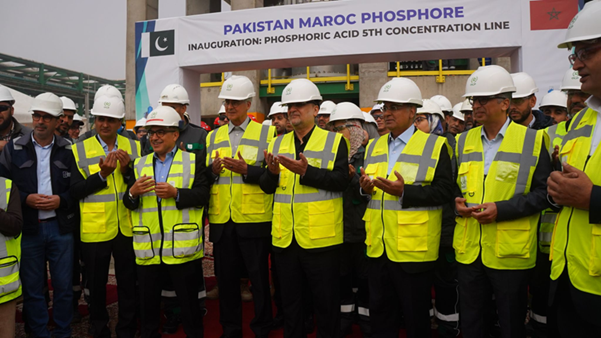
The inauguration took place on 2 April 2026. Marking the occasion, the project manager described the milestone moment as “a journey of pride and achievement” in a post on LinkedIn, and thanked the boards and teams of both OCP Group and Fauji Group, as well as engineering partner JESA S.A.

Strengthening an established joint venture

PMP is a joint venture between Morocco’s OCP Group and Pakistan’s Fauji Group, with Fauji Fertilizer Company (FFC) holding a 37.5% stake. The phosphoric acid generated at the dedicated Jorf Lasfar plant is shipped to Pakistan for diammonium phosphate (DAP) production — Pakistan’s primary phosphate fertilizer import— making it a strategically critical asset for Pakistani food security.

Construction of the fifth CAP line has taken around nine months and began with a groundbreaking ceremony in July 2024. Engineering services for the project were provided by JESA S.A.

Capacity and strategic context

The fifth CAP line will increase PMP’s existing phosphoric acid production capacity of 375,000 t/a by an additional 13%. This extra capacity strengthens PMP’s ability to supply Pakistani fertilizer manufacturers at a time of tight global phosphate availability — driven in part by Chinese phosphate export restrictions.

Multiple PMP staff members celebrated the successful completion of the new CAP line on LinkedIn in the days following the inauguration ceremony, highlighting in particular the strong collaboration between the OCP and Fauji teams and their project partners. No formal press release had been issued by PMP or its parent companies at the time of publication.

Image courtesy of PMP.

Latest in Asia

Coromandel starts trial operations at new acid plants

Coromandel International says that it has started trial production at its new sulphuric acid and phosphoric acid plants in Kakinada, Andhra Pradesh. The company says that this marks a crucial step towards transforming the unit into a fully integrated facility, significantly enhancing production capacity and diminishing reliance on imported raw materials for fertiliser manufacturing. The company is now focusing on a phased ramp-up. The new plants have of 2,000 t/d of sulphuric acid and 650 t/d of phosphoric acid, respectively. The integration of these acid plants is strategic, aligning with Coromandel's objective to strengthen backward integration in its fertiliser manufacturing value chain. By producing key intermediates in-house, the company aims to secure stable supplies, enhance cost efficiencies, and achieve greater self-sufficiency, thereby reducing dependence on imported raw materials. The project aims to replace over 50% of the Kakinada plant's imported acid requirements and mirror the integration levels seen at its Vizag and Ennore facilities.