Sulphur 424 May-Jun 2026

India approves $4.49 billion subsidy for Kharif 2026


INDIA

India approves $4.49 billion subsidy for Kharif 2026

India’s cabinet approved a proposal to spend $4.49 billion to subsidise phosphate and potassium fertilizers for the Kharif 2026 season, according to an 8 April government statement. The allocation represents an increase of approximately $460 million over the Kharif 2025 season budget, reflecting adjustments for recent trends in international prices of fertilizers and inputs including urea, DAP, MOP, and sulphur.

Subsidies at approved rates will be provided from April 2026 through September 2026 via the nutrient-based subsidy (NBS) scheme “to ensure smooth availability of these fertilizers to the farmers at affordable prices,” the statement added. The subsidies will be disbursed to farmers via manufacturers and importers based on approved NBS rates for 28 grades of phosphorus and potassium fertilizers, including DAP and NPKS grades.

Latest in Asia

Green ammonia supply deal

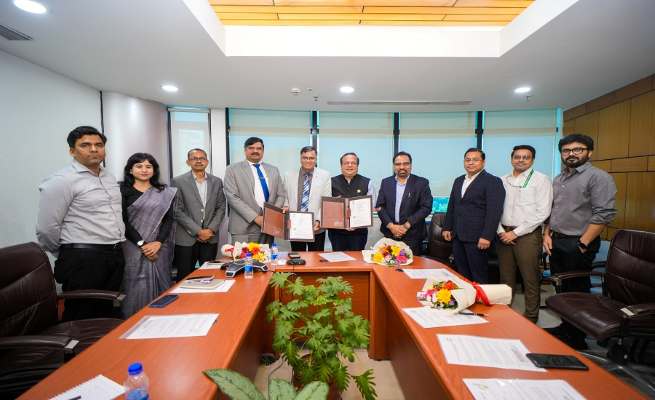
Indian renewable energy developer InSolare Energy, in consortium with SCC Infrastructure, says that it has signed Green Ammonia Purchase Agreements (GAPA) with the Solar Energy Corporation of India (SECI) for the supply of 85,000 t/a of green ammonia under India’s National Green Hydrogen Mission 13 April. The agreements, executed through two separate special purpose vehicles, involve a total estimated investment of around $400 million, InSolare said in a statement.

Attack hits methanol complex

US and Israeli air attacks on Iran have hit a methanol production complex at Dayyer port in Iran’s Bushehr province, according to the semi-official Tasnim News Agency. The agency reported that two projectiles struck the pier of the Kaveh Petrochemical methanol facility in the Dayyer area, causing damage to the pier’s control room. Initial reports indicated that no damage was caused to the methanol production facilities and that the main units of the complex continued operating without disruption. No casualties were reported in the attack, the agency added.

Saipem technology chosen for new urea plant

Saipem has been awarded a new urea license agreement by Mitsubishi Heavy Industries Ltd (MHI) for a new fertilizer plant in Turkmenistan. The contract entails the license for the use of Saipem’s proprietary Snamprogetti™ urea technology as well as related engineering services. The urea plant will have a capacity of 3,500 t/d. The new project follows the Garabogazkarbamid plant, commissioned in 2018 in Garabogaz, Turkmenistan, developed with the participation of Mitsubishi and Gap Insaat Yatirim ve Dis Ticaret AS, for which Saipem supplied the urea technology under a contract awarded in 2014 by MHI.

Urea plants running at reduced capacity

India’s urea industry was running at approximately half capacity after force majeure declarations disrupted LNG flows through the Strait of Hormuz amid escalating Middle East tensions, according to local press reports. Petronet LNG Ltd, which operates India’s largest liquefied natural gas receiving terminal, declared force majeure after upstream suppliers cited their inability to deliver contracted volumes amid disruptions to cargoes transiting the Strait. The move triggered supply curtailments by state-owned gas distributors GAIL (India) Ltd, Indian Oil Corporation Ltd (IOC) and Bharat Petroleum Corporation Ltd (BPCL), which supply gas under RasGas contracts to fertiliser units across the country.