Industrial

JPMC to build new sulphuric acid plant

Written by Richard Hands


The Indo-Jordan Chemicals Company (IJCC), a wholly owned subsidiary of the Jordan Phosphate Mines Company (JPMC), has signed a $193 million strategic agreement with China’s East China Engineering Science and Technology Company to construct a sulphuric acid plant in the Shidiya area. The new facility will have a capacity of 900,000 t/a of concentrated sulphuric acid, and is scheduled to be completed within 30 months, according to the company. The sulphuric acid produced will be used in phosphoric acid manufacturing as part of a new expansion phase, increasing IJCC’s phosphoric acid production capacity from 330,000 t/a to 550,000 t/a.

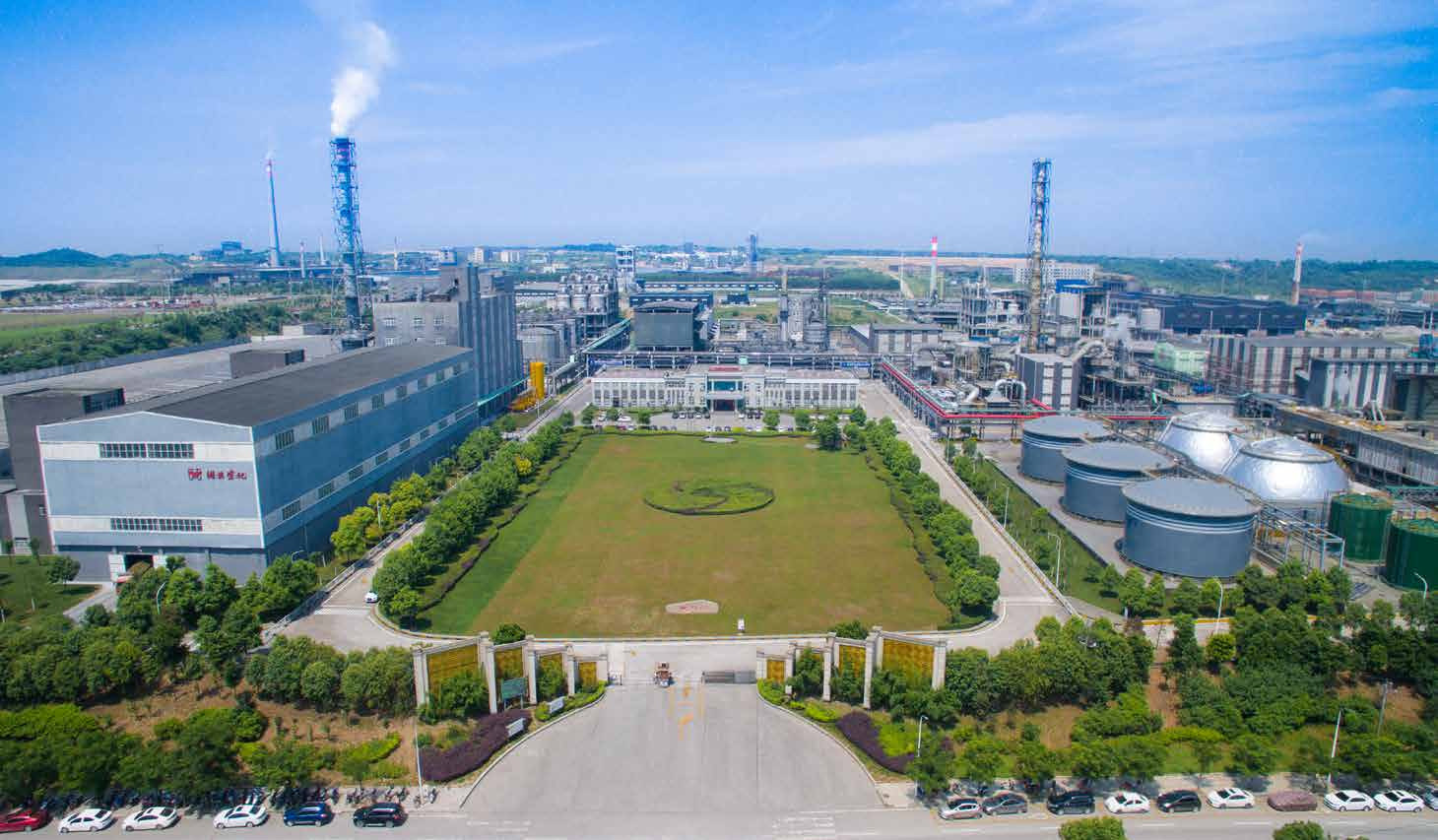
Speaking at the signing agreement, JPMC Chairman Mohammad Thneibat said the project “reflects JPMC’s commitment to expanding investments and developing operations in line with Royal directives and the Economic Modernisation Vision”, noting that it “will enhance value-added production in Jordan’s mining sector and create direct and indirect employment opportunities during construction and operation.” It will also “ensure a stable supply of sulphuric acid to support phosphoric acid production, improving operational efficiency and strengthening competitiveness in regional and global markets.”

East China Engineering CEO Meng Chenzhou expressed pride in the partnership, reaffirming his company’s commitment to delivering the project to the highest standards and expanding long-term industrial cooperation with Jordan.

Latest in Industrial

Zambia implements sulphuric acid export permits

The Zambian government has introduced a new permit system to manage the export of sulphuric acid, which came into effect on 27 March, 2026, according to an announcement from the Ministry of Commerce, Trade and Industry. The move comes at a time of significant exceptionally high prices and sourcing challenges in the global sulphur market, adding another layer of tightness for regional consumers. The Ministry stated that the measure is designed to correct a "critical market imbalance" and ensure supply for the country's domestic industries. The system aims to safeguard local downstream sectors that rely on the acid, while still ensuring that the needs of the export market are met, it said.