Sulphur 420 Sep-Oct 2025
Desulphurisation unit installed at Luján refinery


ARGENTINA

Desulphurisation unit installed at Luján refinery

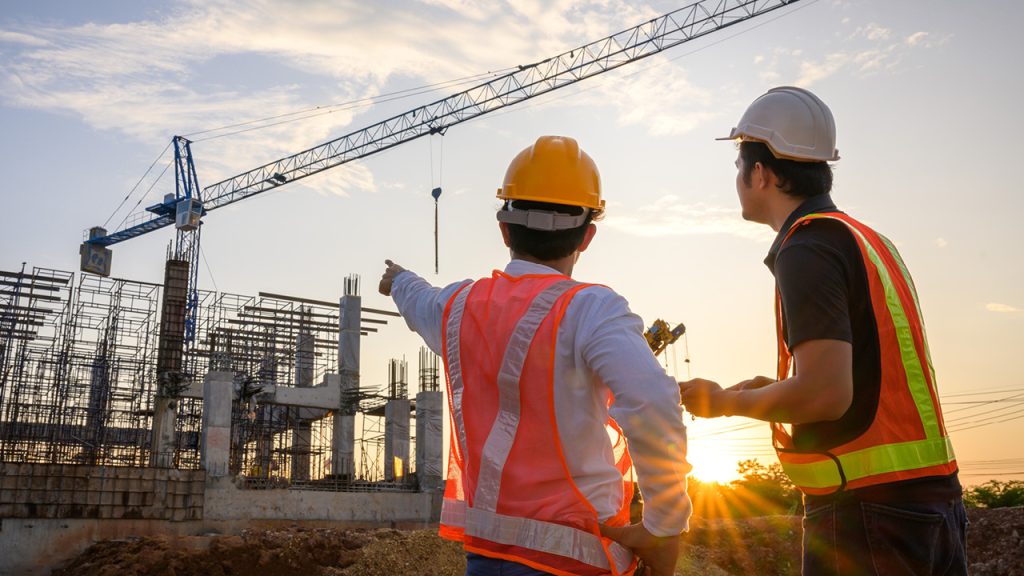
YPF says that its modernisation of the Luján de Cuyo refinery has taken a step forward with the installation of a hydrodesulphurisation reactor, designed to remove sulphur compounds from diesel fuel by means of a catalytic process using hydrogen. The installation forms part of the refinery’s New Fuel Specifications (NEC) project, intended to produce of fuels with a lower environmental impact. The new reactor was built in Mendoza by IMPSA. With a length of 38 meters and a weight of 456 tons, it was moved from Godoy Cruz to the YPF plant in a logistic operation that involved Vialidad Nacional, Mendoza Police and local authorities. It will now be integrated into the HDS II unit, designed to reduce sulphur content in diesel to 10 parts per million, in line with current environmental requirements. The NEC plan includes new process units, such as H2 II and SE33, the adaptation of existing facilities and the improvement of auxiliary services. The project, already 85% complete, will allow all the diesel oil produced in Luján de Cuyo to comply with the highest emission requirements.
Latest in Commodity

CIMC Enric commissions biomethanol project

CIMC Enric Holdings Ltd says that it has commissioned China’s first large-scale biomethanol facility in Zhanjiang, Guangdong Province, marking a major step forward in the decarbonisation of global shipping and clean fuel supply chains. The project, developed by CIMC Enric and its subsidiaries, is designed as a fully integrated closed-loop system converting forestry residues into green methanol for use as marine fuel. With an initial annual capacity of 50,000 t/a, it is the country’s first commercial scale green methanol plant, and is backed by the port of Zhanjiang and abundant local forestry wastes.

World’s largest integrated green hydrogen-ammonia-methanol project

The first 320 MW phase of what China Energy Engineering Corporation Ltd says will ultimately become the world’s largest integrated green hydrogen-ammonia-methanol project HyFlow has officially begun operation in Songyuan City in Jilin Province. With a total investment of nearly $4.30 billion, the Songyuan project uses a “wind-solarhydrogen-ammonia-methanol” integration model, creating an industrial chain that includes hydrogen production and storage, as well as hydrogen-derived chemicals such as ammonia and methanol, hydrogen energy equipment, and scientific research. The project eventually plans to develop 3 GW of renewable energy capacity from wind and solar power, alongside a target production capacity of 800,000 t/a of green ammonia and methanol. The annual production of green hydrogen in the project’s first phase is expected to be equivalent to approximately one-fifth of China’s current total annual green hydrogen production.