Sulphur 419 Jul-Aug 2025

Anti-dumping duty on insoluble sulphur


INDIA

Anti-dumping duty on insoluble sulphur

India has imposed five-year anti-dumping duties on six Chinese imports, including insoluble sulphur, mainly used in the vulcanisation of rubber. The move follows an investigation by India’s Directorate General of Trade Remedies (DGTR) last year, following a complaint by Oriental Carbon and Chemicals in March 2024. The period covered by the investigation was from 1st Jan 2023 to 31st Dec 2023, while the injury investigation period ran from April 2020 to 31st Dec 2023. DGTR made a determination that Chinese exporters had been selling the six products at unfairly low prices, adversely affecting the profitability of Indian producers. DGTR says that the duties it has imposed are “aligned with WTO norms” and aim to protect domestic industries from unfair trade practices and address the growing trade imbalance with China. According to the trade authority, the market share of the countries subject to duties “has been significantly increasing” while local Indian industry’s capacities are “lying idle” amid growing demand.

Latest in Asia

Coromandel starts trial operations at new acid plants

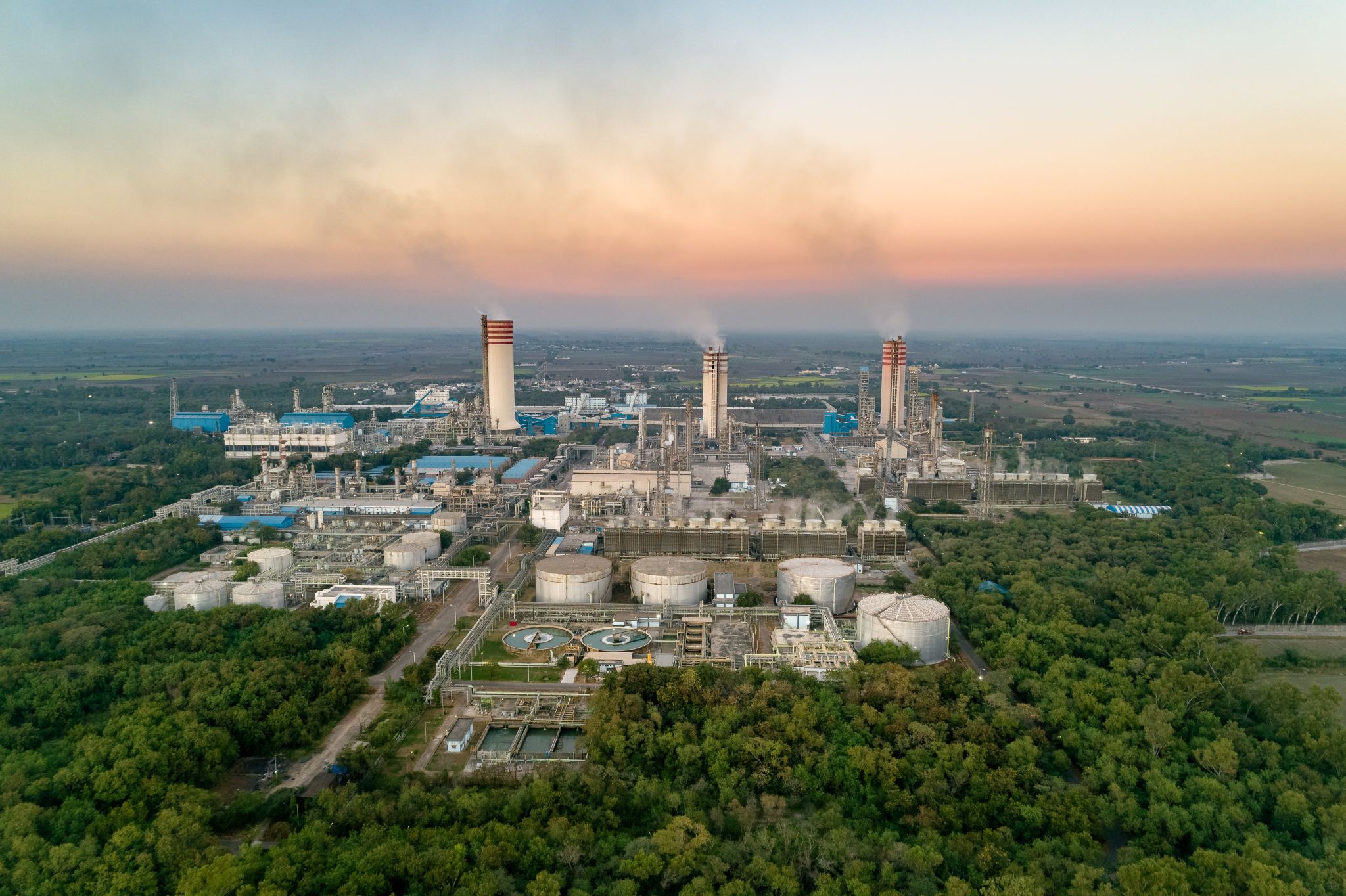
Coromandel International says that it has started trial production at its new sulphuric acid and phosphoric acid plants in Kakinada, Andhra Pradesh. The company says that this marks a crucial step towards transforming the unit into a fully integrated facility, significantly enhancing production capacity and diminishing reliance on imported raw materials for fertiliser manufacturing. The company is now focusing on a phased ramp-up. The new plants have of 2,000 t/d of sulphuric acid and 650 t/d of phosphoric acid, respectively. The integration of these acid plants is strategic, aligning with Coromandel's objective to strengthen backward integration in its fertiliser manufacturing value chain. By producing key intermediates in-house, the company aims to secure stable supplies, enhance cost efficiencies, and achieve greater self-sufficiency, thereby reducing dependence on imported raw materials. The project aims to replace over 50% of the Kakinada plant's imported acid requirements and mirror the integration levels seen at its Vizag and Ennore facilities.