Sulphur 418 May-Jun 2025
3 May 2025



Sulphur 418 May-Jun 2025
3 May 2025
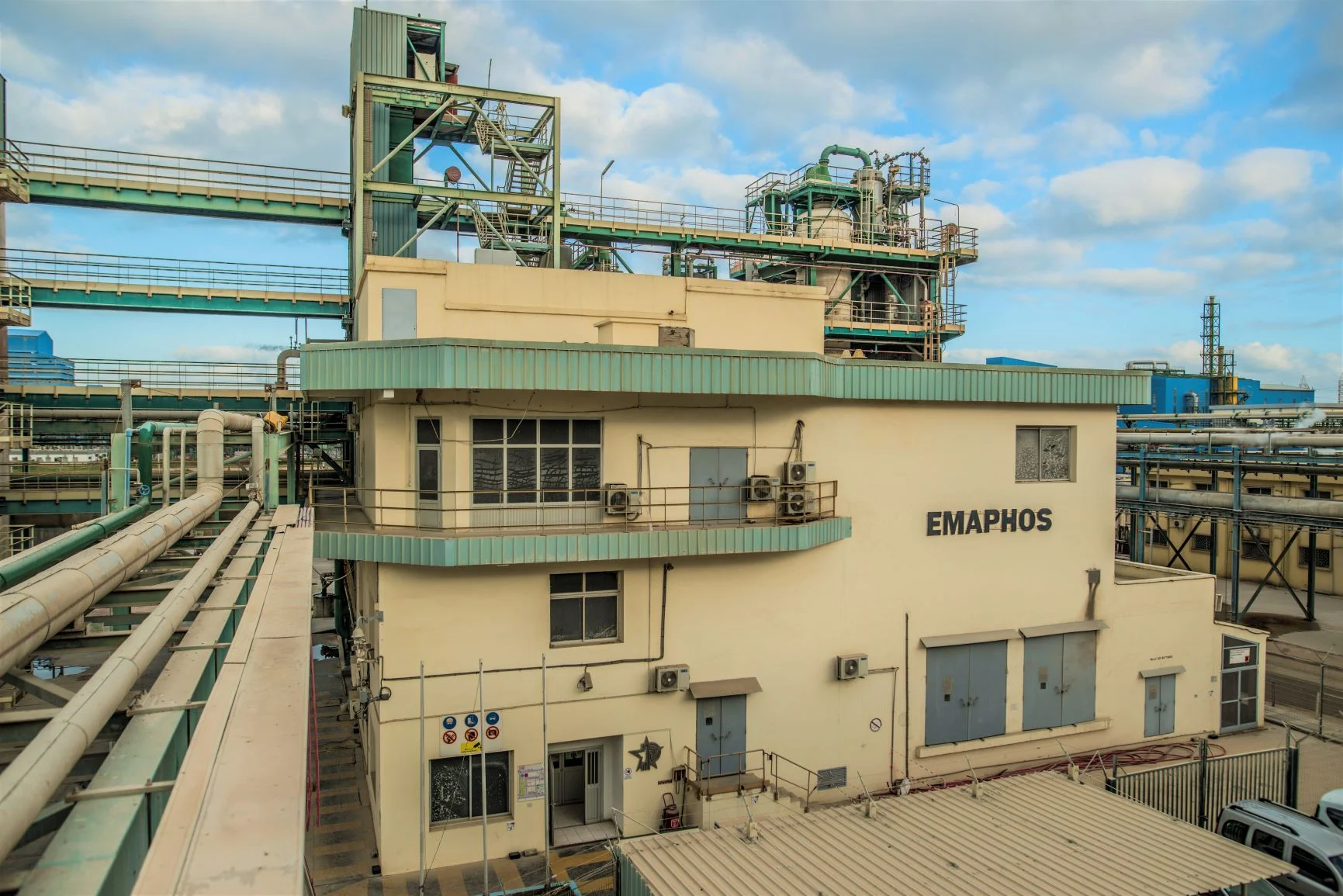
OCP Group plans to increase its ownership interest in purified phosphoric acid (PPA) producer Emaphos by buying the equity stakes currently held by Chemische Fabrik Budenheim and Prayon, the company said 14 October.

Konkola Copper Mines Plc (KCM) has awarded China NERIN Engineering Company Limited a US$498 million engineering, procurement and construction contract.
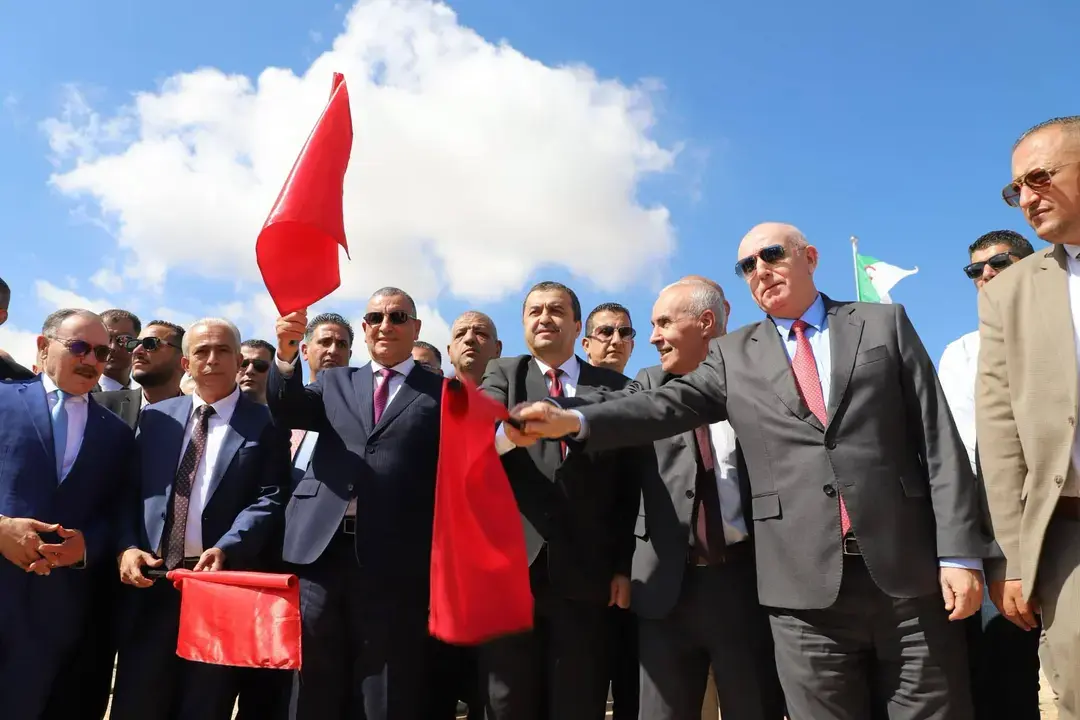
Official ceremonies by Algeria’s hydrocarbons minister Mohamed Arkab have kicked-started the construction of a very large capacity phosphate project.

GreenGo Energy and Jiangsu Shuangliang New Energy Equipment Co., Ltd. have signed a memorandum of cooperation to jointly advance large-scale green ammonia projects in Mauritania and Namibia. The companies say that the agreement brings together GreenGo’s integrated renewable energy and Power-to-X project development experience with Shuangliang’s smart green power-to-hydrogen systems, equipment manufacturing and engineering services. […]

The ‘Grow Eastern Africa’ project aims to improve the livelihoods of smallholder farmers by delivering higher yields and promoting climate-smart farming practices.