Nitrogen+Syngas 381 Jan-Feb 2023
31 January 2023
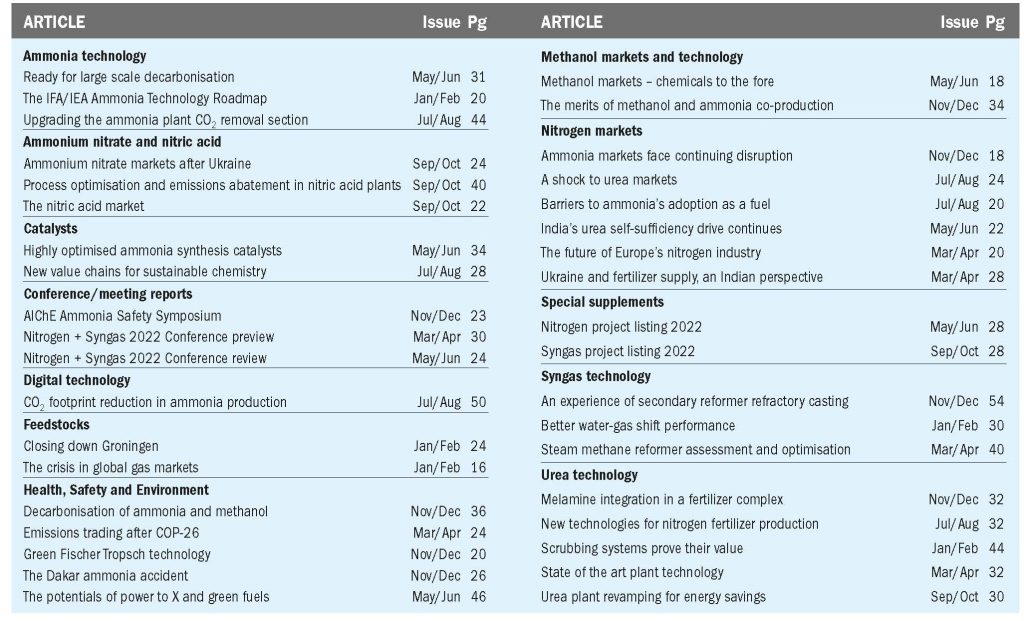
Nitrogen+Syngas Index 2022
A complete listing of all articles and news items that appeared in Nitrogen+Syngas magazine during 2022.



Nitrogen+Syngas 381 Jan-Feb 2023
31 January 2023
A complete listing of all articles and news items that appeared in Nitrogen+Syngas magazine during 2022.


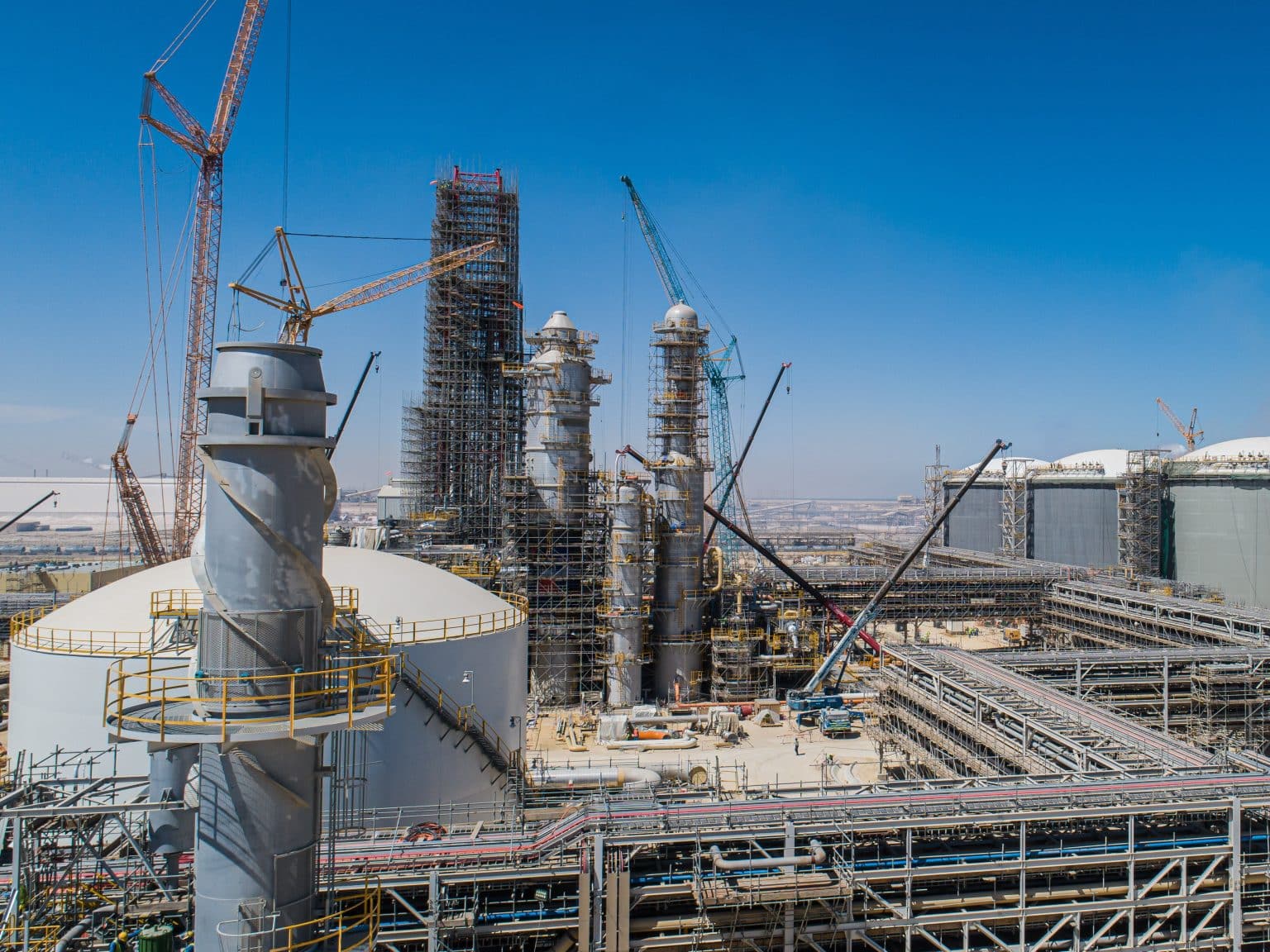
Sulphur production continues to expand in the Middle East and East and South Asia both from new refineries and major sour gas projects.
A review of papers presented at this year’s Sulphur World Symposium, held by The Sulphur Institute (TSI) in Vancouver, Canada this year from April 28 to 30.
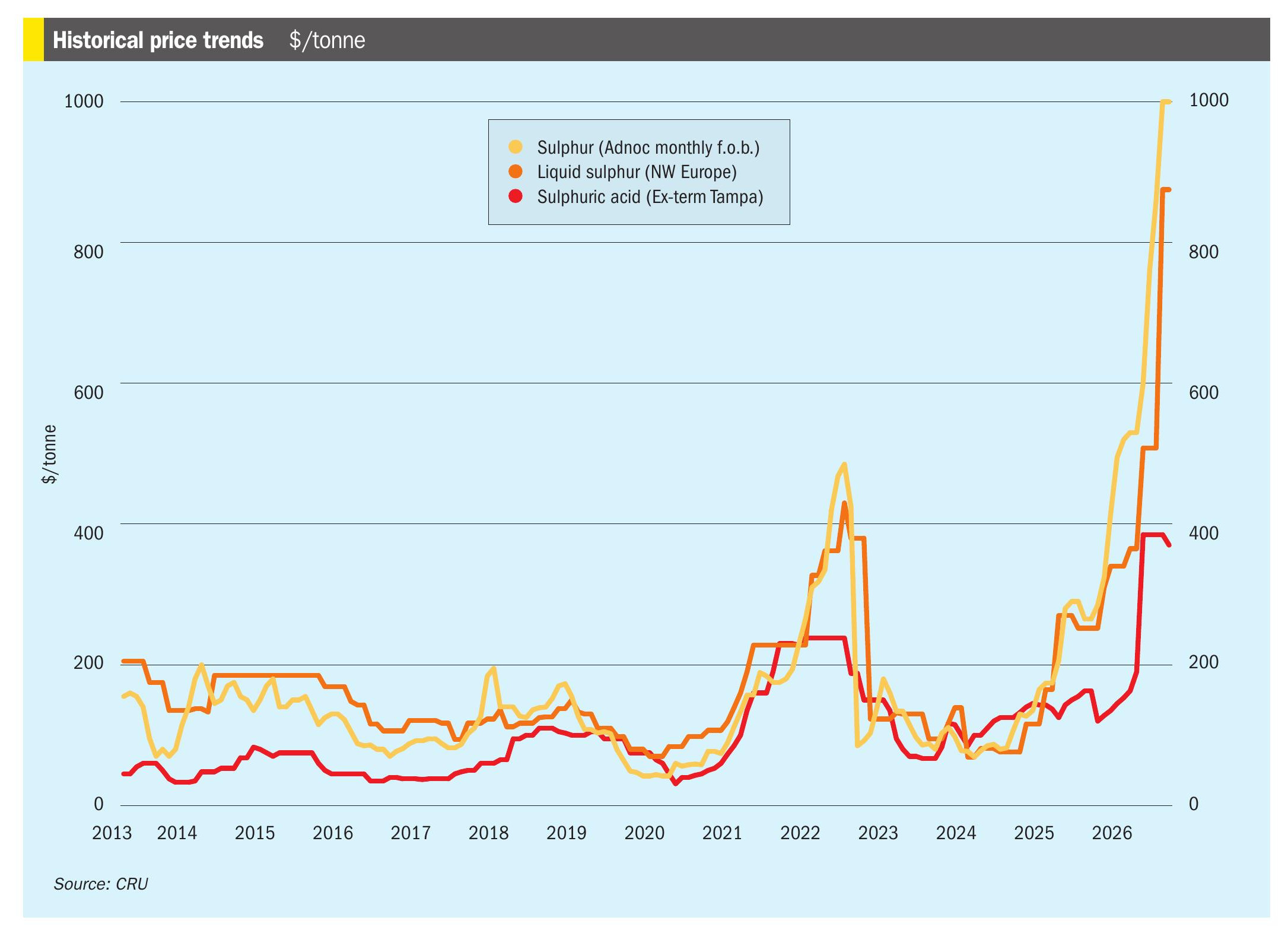
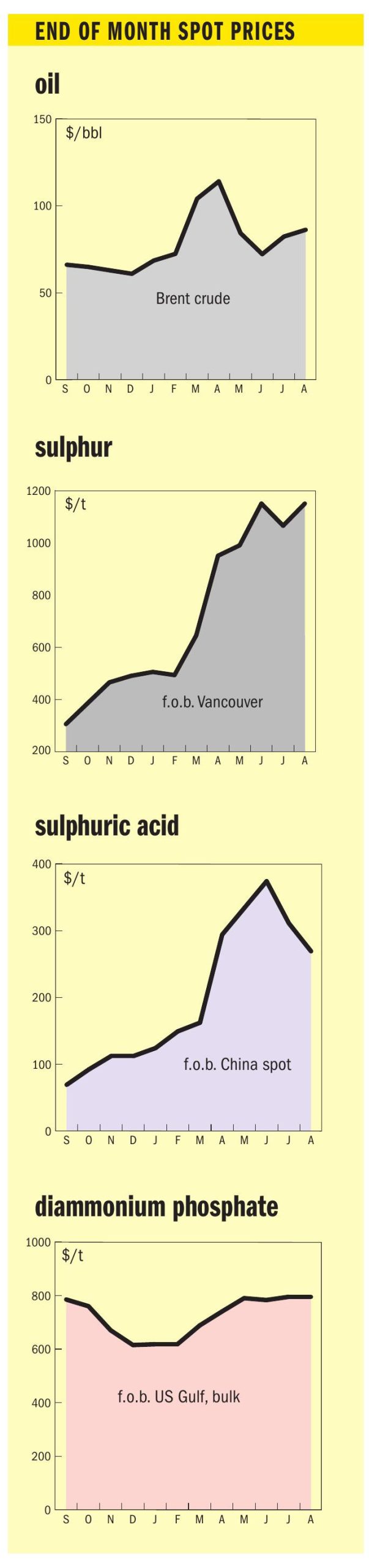
CRU’s Phosphates+Potash Expoconference was held in Paris in mid-April, with the Iran crisis uppermost in everyone’s mind. Margins are under pressure, sulphur has become a strategic constraint, and the phosphates investment pipeline is thin. CRU Principal Consultant Humphrey Knight examined the fallout from the closure of the Strait of Hormuz, noting that fertilizers have been hit harder than most bulk commodities. A large share of exportable sulphur and traded urea normally originates in, or passes through, Gulf producers. The effective closure of the strait has squeezed the traded part of these markets, where international prices are set, and pushed benchmarks up sharply. The global phosphate market is structurally tight, and the combination of Chinese export policy and Middle East logistics has pushed the traded segment into a much more fragile state.
It is two months on from our previous issue, and almost none of the news has been good from sulphur and downstream markets. Only three sulphur cargoes are confirmed to have transited the Strait of Hormuz since the US and Israeli strikes on Iran began, all loaded at Ruwais, with destinations in India, Tanzania and Morocco, carrying a total of 160,000 tonnes. It is believed that a couple of Iranian vessels with a total of 75,000 tonnes may also have left covertly. But in spite of some Middle Eastern sulphur making its way to Saudi Red Sea ports or Duqm on Oman’s Indian Ocean coast, around 700,000 tonnes is still trapped on ships stranded in the Gulf, and coupled with production cuts in the region, it is estimated that over 1.2 million tonnes has so far been removed from the market.
Sour gas production is costly because hydrogen sulphide and carbon dioxide require extensive sweetening, sulphur recovery, safety, and compliance infrastructure, with sulphur sales helping offset but rarely eliminating those added costs.