
EU unveils support for farmers hit by fertilizer costs
The Council of the EU has adopted a regulation giving member states new tools to support farmers hit by sharply higher fertilizer and input costs linked to the recent crisis in the Middle East.


The Council of the EU has adopted a regulation giving member states new tools to support farmers hit by sharply higher fertilizer and input costs linked to the recent crisis in the Middle East.
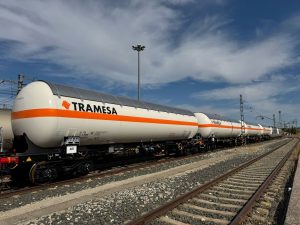
Rail, road, ship or pipelines all bring different benefits and risks to long distance transport of ammonia, but the fundamentals of ammonia safety remain a constant.
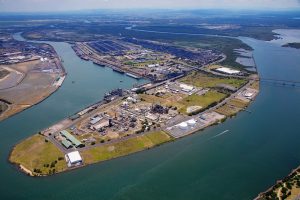
The Ukraine war and associated tariffs and the EU’s carbon pricing system are keeping ammonium nitrate prices high.
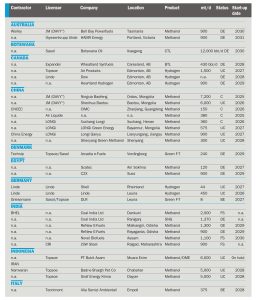
A round-up of current and proposed projects involving non-nitrogen synthesis gas derivatives, including methanol, synthetic/substitute natural gas (SNG) and gas- and coal to liquids (GTL/CTL) plants.
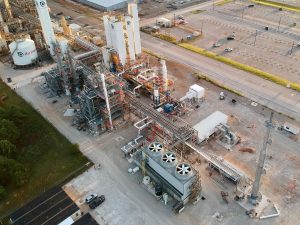
Air Liquide explains the key features and benefits of GasPOx, a catalyst-free syngas platform that enables cost-efficient, low-carbon production from diverse feedstocks with minimal pretreatment.
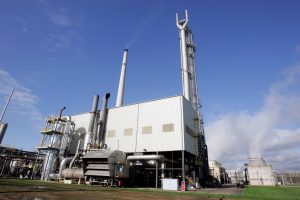
Stamicarbon outlines key strategies and considerations for successful nitric acid plant revamps, including capacity enhancement, emission control, energy optimisation, and safety improvements.
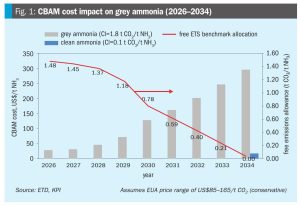
VK Arora of Kinetics Process Improvements (KPI) compares the delivered-cost competitiveness of blue ammonia from regions including the US Gulf Coast, Western Canada, Atlantic Canada, the Middle East, Indonesia, and Malaysia into Japan, the European Union, and South Korea.
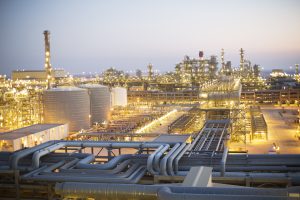
Selecting the right syngas technology is a critical early decision for low-carbon hydrogen and ammonia projects. Shell shows how gas-based partial oxidation (POx) can offer a potentially simpler and lower-cost route designed to deliver high carbon capture performance.
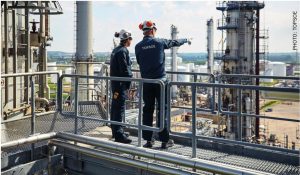
Topsoe looks at what typically triggers a revamp, how plants build a robust business case, where technology advances can deliver meaningful gains, and how to secure a successful revamp project.

We are closing this survey shortly, so here is your chance to make a difference.