• Skip to main content

    Category: Technology

    Sulphur Industry News Roundup

    Shell Deutschland has taken a final investment decision (FID) to progress REFHYNE II, a 100 MW renewable proton-exchange membrane (PEM) hydrogen electrolyser at the Shell Energy and Chemicals Park Rheinland in Germany. Using renewable electricity, REFHYNE II is expected to produce up to 44 t/d of renewable hydrogen to partially decarbonise site operations. The electrolyser is scheduled to begin operating in 2027. Renewable hydrogen from REFHYNE II will be used at the Shell Energy and Chemicals Park to produce energy products such as transport fuels with a lower carbon intensity. Using renewable hydrogen at Shell Rheinland will help to further reduce Scope 1 and 2 emissions at the facility. In the longer term, renewable hydrogen from REFHYNE II could be directly supplied to help lower industrial emissions in the region as customer demand evolves.
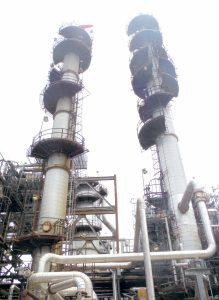
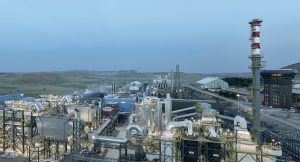
    Channelling in SRU converters

    This troubleshooting case study describes an incident at one of the sulphur recovery units at BPCL Kochi Refinery, India. Following a maintenance turnaround of the unit in 2022, unusually high H2 S and SO2 were observed at the outlet of the Claus section. This created an additional load on the tail gas reactor, which led to frequent plugging in the quench column and frequent outages in the tail gas unit, creating environmental and reliability issues in the unit. The activities to identify the root cause of the incident are described and the measures to solve the problem are shared.

    Sulphuric Acid News Roundup

    Veolia says that its subsidiary Veolia North America has signed an agreement for the divestment of Veolia North America Regeneration Services, which includes its sulphuric acid and hydrofluoric acid regeneration activities for refineries, to private equity firm American Industrial Partners for $620 million. These activities represented revenues of around $350 million in 2023. The financial closure of the transaction is expected soon. Veolia’s Sulphuric Acid Regeneration Business includes its sulphuric acid and potassium hydroxide regeneration, as well as sulphur gas recovery, and sulphur-based products production businesses.

    Digitalised sulphur recovery plants for greater plant efficiency

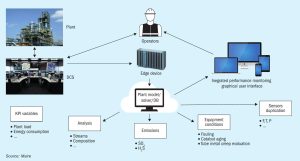
    The pursuit of operational excellence requires continuous process monitoring, together with qualified analysis of the collected data. The Digital Process Monitor (DPM) provides a process digital twin which consists of an accurate process plant model that incorporates the licensor’s knowledge and expertise in sulphur recovery technology, thereby providing continuous insights into plant performance. This article provides an overview of the DPM features focusing on the related benefits in terms of overall operational improvements and plant efficiency for the sulphur recovery unit.