Decarbonisation

LSB eyes full control of El Dorado CCS

Written by Natalie Noor-Drugan


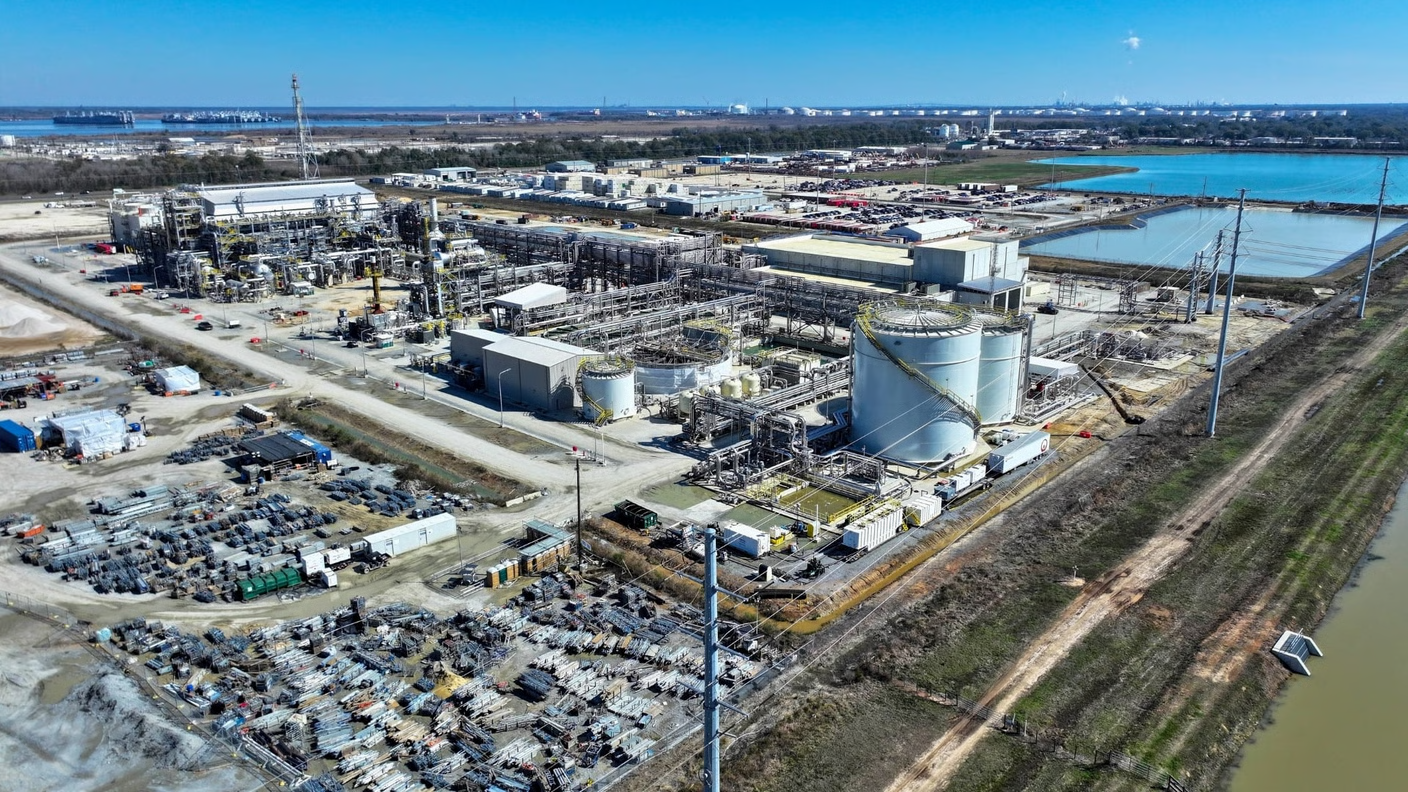
LSB Industries, a US-based producer of ammonia and industrial chemicals, has agreed a deal with carbon capture developer Lapis Carbon Solutions to secure a pathway to full ownership of its El Dorado CCS project in Arkansas.

The agreement sets out a staged investment structure with no upfront payment, with total consideration and remaining completion capital estimated at about $95m if all milestones are met.


“The opportunity to achieve full ownership of this project is an important strategic step for the company,” said Mark Behrman, Chairman and Chief Executive Officer. “This agreement provides greater operational control, commercial flexibility and long-term strategic optionality.”

Project Blue is expected to capture between 400,000 and 500,000 tonnes of CO2 annually, with completion targeted for late 2026 or early 2027.

Revenue potential and incentives

LSB expects the project to generate between $25m and $30m in annual earnings once operational.

Captured CO2 will qualify for US 45Q tax credits of $85 per tonne. The facility will also enable production of up to 380,000 tonnes per year of low-carbon ammonia, creating additional revenue opportunities.

Behrman said the milestone-based structure “allows us to align capital deployment with project progress, preserving near-term flexibility while improving our ability to capture the project’s long-term economics”.

Lapis role continues

Lapis Carbon Solutions, a Dallas-based CCUS developer backed by private equity firm Cresta Fund Management, will continue to lead permitting and regulatory work with the US Environmental Protection Agency.

The EPA is currently reviewing the Class VI injection well permit, with approval expected later this year. Lapis will remain involved through construction and commissioning.

“This transaction reflects the strength of our partnership with Lapis,” Behrman added, citing its “technical and regulatory work” on the project.

Latest in Decarbonisation

Sulphur plant tail gas incineration options

Sulphur recovery units in petroleum refineries and natural gas processing plants utilise incineration as a final treatment step for tail gas, ensuring that residual sulphur compounds are converted to less harmful emissions. Elmo Nasato of Nasato Consulting Ltd compares the two sulphur plant incinerator options – thermal incineration and catalytic incineration – including key considerations for policymakers, businesses, and environmental advocates.