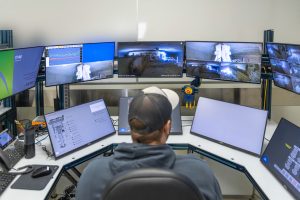
Artificial intelligence – the new normal?
Does artificial intelligence (AI) really herald a revolution in fertilizer production and, if so, what are the practical examples of this?

Does artificial intelligence (AI) really herald a revolution in fertilizer production and, if so, what are the practical examples of this?

NextChem and Siemens Energy have signed a memorandum of understanding to cooperate on the development and commercialisation of a high temperature methanol fuel cell, based on a newly designed modularised solution. With an initial focus on the high-end yachting segment, the target market for the cooperation is the maritime industry and beyond. According to the MoU, NextChem will focus on the design and supply of the methanol fuel cell module, while Siemens Energy will leverage its expertise in onboard system integration, complete electrification and energy management with the aim of delivering a complete solution to shipyards and owners.
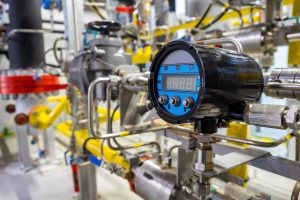
Artificial intelligence is beginning to extend into all facets of modern life, and the chemical process industry is no exception. This article looks at where and how AI is being applied in the ammonia and downstream industries, what data and infrastructure are required, and the potential risks.

Topsoe has signed an offtake agreement to provide its Solid Oxide Electrolyser Cell (SOEC) technology for Forestal’s Triskelion green methanol plant in Galicia. The SOEC’s will be delivered from Topsoe’s manufacturing facility in Herning, Denmark, which is nearing the final stage of readiness for industrial-scale production. The agreement, which includes a 10-year service warranty program, builds on Topsoe’s existing agreement with Forestal, announced in December 2024, to provide its e-methanol synthesis technology, catalysts and engineering for highly efficient e-methanol production.
Clariant has signed a supply agreement with SYPOX to manufacture and deliver catalysts for what is claimed to be the world’s largest electric steam methane reformer (e-SMR). The project combines SYPOX’s electrical reformer technology with Clariant’s expertise to enable syngas production with significantly reduced CO2 emissions. Scheduled to begin operations in 2026, the e-SMR will use 10 MW of renewable electricity to generate approximately 150 t/d of syngas.
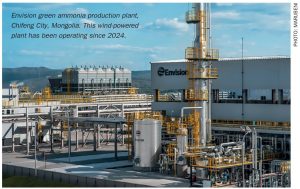
Kevin Rouwenhorst of the Ammonia Energy Association (AEA) provides an overview of green ammonia projects and the associated technology options.

Swiss technology company ABB has signed a term sheet agreement with SwitcH2 to engineer and supply automation and electrification solutions for SwitcH2’s floating production, storage and offloading (FPSO) unit dedicated to producing green ammonia from green hydrogen, to support future demand for low-carbon marine fuels.
Sasol and Topsoe have signed a cooperation agreement with the German Aerospace Centre (DLR) and EPC contractor Griesemann for the construction, operation and research and development activities of DLR’s sustainable aviation fuels demonstration plant at the Leuna Chemical Complex, Germany. The demonstration plant is currently under construction and expects to produce 2500 t/a of e-fuels, starting in Q4 2027. The e-fuels produced will comprise mainly of kerosene, using renewable feedstocks such as biogenic CO2 and green hydrogen. With €130 million of funding secured from the German Federal Ministry for Transport, the plant will be the largest demonstration and research facility globally for the production of e-fuels.
Axens, pending regulatory approval, to become sole owner of Eurecat

Join us at the 2025 Sulphur + Sulphuric Acid Expoconference in The Woodlands, Texas, 3-5November, for a truly global gathering of the sulphur and sulphuric acid community, where leading market and technology experts and producers will gather to connect, share knowledge, exchange ideas and learn about market trends and the latest developments in operations, technology, processes and equipment.