Europe
22 September 2026
Moeve begins Huelva green hydrogen project
Written by Natalie Noor-Drugan
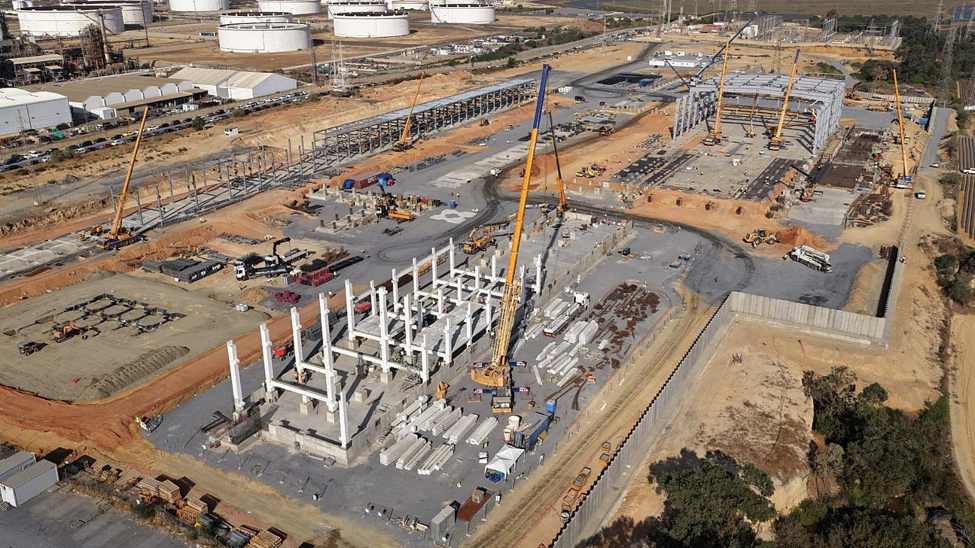
Spanish integrated energy company Moeve, formerly Cepsa, has started construction of the 300 MW Onuba renewable-hydrogen project in Palos de la Frontera, Huelva. The project is the first phase of the planned 2 GW Andalusian Green Hydrogen Valley.
Onuba represents more than €1 billion ($1.18 billion) of investment, including associated infrastructure and a dedicated solar plant for self-consumption. It is designed to produce about 45,000 t/a of renewable hydrogen and avoid around 250,000 t/a of CO₂ emissions.
“Today, we are turning the page on green hydrogen pilot projects towards the chapter of large-scale construction,” said Maarten Wetselaar, chief executive of Moeve. “The Onuba project reinforces Spain’s position at the forefront of Europe’s sustainable energy production and represents a decisive step towards a more competitive and energy-independent Europe.”
Fertiberia ties Huelva hub to crop nutrients
Onuba is the first phase of the planned 1 GW Huelva hub within Moeve’s wider Andalusian Green Hydrogen Valley.
Moeve and fertilizer producer Fertiberia are strategic partners in the Huelva development. They plan to use renewable hydrogen in their industrial operations and have identified green ammonia, AdBlue and sustainable crop-nutrition products as potential outputs.
Moeve’s La Rábida Energy Park, where Onuba is being developed, is adjacent to Fertiberia’s Huelva facilities.
Yara link extends valley into green ammonia
The Andalusian Green Hydrogen Valley is planned to reach 2 GW of electrolysis capacity across Moeve energy parks in Huelva and San Roque, Cádiz.
At San Roque, Moeve and Yara Clean Ammonia have previously announced plans for a green-ammonia project supplied by renewable hydrogen from a planned 1 GW electrolyser. The plant could produce up to 750,000 t/a of green ammonia, primarily for industrial and maritime markets.
Investors back first 300 MW phase
Moeve holds a 51% stake in Onuba. Clean-hydrogen investment manager Hy24 and Spanish public-private finance institution COFIDES together hold 29%, while Enagás Renovable and Alter Enersun hold the remaining 20%.
The plant could be expanded by a further 105 MW. It has been designated a European Union Project of Common Interest and has received €304 million ($359 million) from Spain’s Recovery, Transformation and Resilience Plan, financed through the EU’s NextGenerationEU programme.