Sulphur 426 Sep-Oct 2026
18 September 2026
The impetus for sulphur forming
SULPHUR FORMING
The impetus for sulphur forming
While some sulphur is transported as a liquid, especially in Europe and North America, recent events have highlighted the increased flexibility of solid sulphur supply chains.
For a sulphur producer, the question of whether to sell molten material or convert it into a solid form is often framed too narrowly. Liquid sulphur remains an efficient choice where supply and consumption are closely integrated: a nearby sulphuric-acid plant, a stable high-volume offtake agreement, and dedicated heated storage and transport can provide an effective route from recovery unit to consumer.
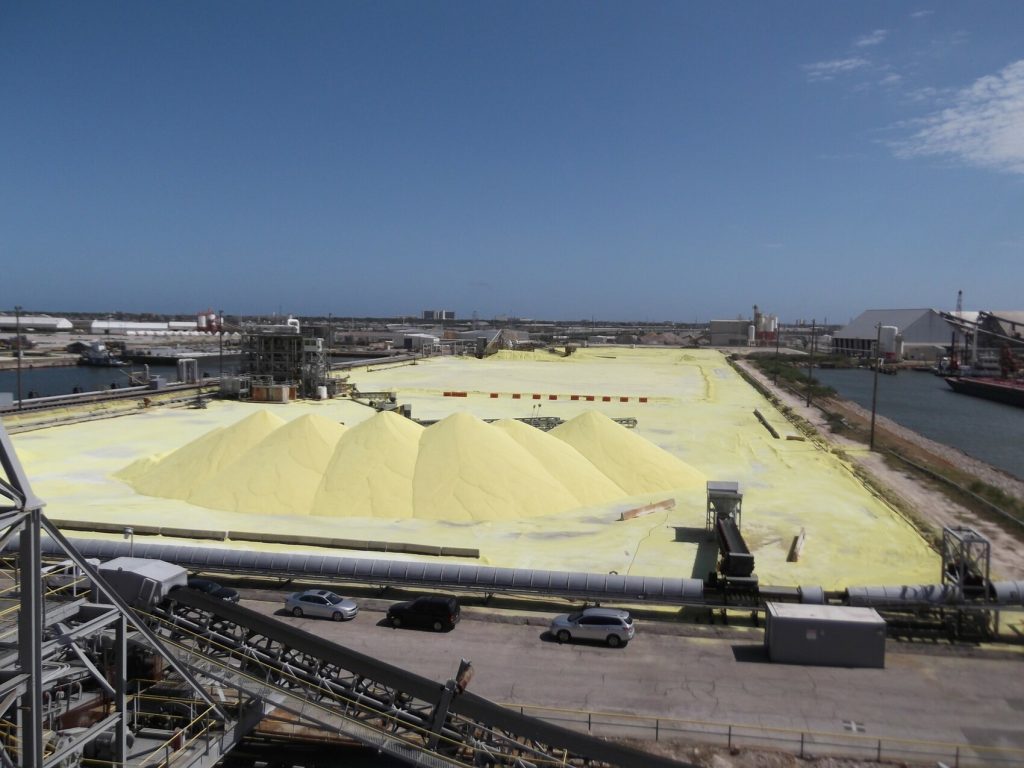
However, while heated storage and transport adds cost and complexity, the central benefit of forming is logistics optionality. A solid product can be stockpiled, loaded through dry bulk systems, redirected between customers and held while transport availability changes. That contrasts with molten sulphur, which must remain within a temperature-controlled handling chain and be received at facilities equipped to store, pump and use it. The commercial value of solid sulphur is therefore strongest for remote producers, exporters and suppliers with diverse or uncertain outlets.
Recent disruption to shipping through the Strait of Hormuz brings this distinction into sharper focus. It does not mean solid sulphur can avoid the Strait, and it does not make forming an alternative to secure maritime access. However, it increases the value of product that can wait safely, be marketed through a wider range of vessels and terminals, and be redirected when the timing or destination of a shipment changes. In that sense, sulphur forming can be viewed as resilience infrastructure as well as a product-handling choice.
Decoupling transport
Granules and pastilles allow a producer to turn recovered sulphur into a material that can be held at ambient conditions and shipped through conventional solid-bulk logistics. This does not eliminate handling requirements – sulphur dust needs appropriate controls and dry-bulk operations require sound storage and loading practice – but it removes the need to preserve a continuous hot-liquid chain from producer to customer.
This decoupling is particularly valuable because sulphur recovery is usually tied to the operation of a refinery or gas-processing complex. A producer may be unable or unwilling to reduce recovery output simply because a vessel is late, a customer is on maintenance or a rail route is disrupted. Forming capacity gives the operation somewhere to place material until the logistics chain is available again. It also lets the supplier separate the timing of production from the timing of sale and shipment.
Iran war
This year’s disruption to Strait of Hormuz traffic has severely constrained Middle Eastern sulphur exports while some production continued. The report estimates that Middle Eastern producers accumulated more than one million tonnes of inventory by June. The region’s heavy exposure to the Strait means that only a small share of Middle Eastern sulphur availability lies outside the affected route. The immediate constraint was therefore maritime access, not the physical form of the sulphur itself. Solid cargo remains subject to vessel availability, port access, insurance conditions, congestion and the same transit risk. But the disruption raises the value of inventory buffering. If shipping windows are uncertain, solid sulphur can be accumulated in stockpiles or silos until a vessel can be secured. A molten system can also store material, but it needs heated capacity and continued temperature management. The longer the interruption, the more significant this difference can become.
Second, disruption increases the value of vessel and berth optionality. When suitable ships are scarce or when security and insurance considerations limit nominations, a supplier benefits from having the broadest possible range of loading and transport options. Formed sulphur can generally be placed into dry-bulk cargo systems, whereas a molten shipment requires specialised equipment throughout loading, transport and discharge. This does not guarantee ship availability, but it reduces one layer of operational constraint.
Third, uncertainty makes destination flexibility more valuable. A dry solid cargo can generally be held, sold to another customer, moved through intermediate storage or re-routed with fewer infrastructure dependencies than a hot liquid cargo. For molten sulphur, an alternative buyer must have appropriate heated tanks, pumps and receiving arrangements, and the transport asset must remain compatible with the revised route. Those requirements are most difficult to manage precisely when port calls, sailing times and discharge windows are volatile.
Market developments
Flexibility can cut both ways, of course. Two examples have come from different locations around the world this year. Ukrainian strikes on Russian gas processing infrastructure has affected sulphur output from the Astrakhan plant. While in theory Kazakhstan could supply the Russian market, one of the key constraints on sulphur from Kashagan has been that it cannot be loaded as molten. This is a useful reminder that the issue is not solely whether sulphur is solid or liquid at the point of production. Loading infrastructure, terminal configuration and customer reception capability determine the practical routes available to a supplier. Forming capacity only delivers its full value when storage, handling and export facilities are designed to use it.
A similar investment in flexibility has come from Heartland Sulphur in Alberta, which has developed a supply model that combines remelting and forming: it can receive both solid and molten sulphur, supply molten material to North American customers and form solid material for offshore export. Heartland Sulphur increased re-melting capacity at its sulphur terminal near Edmonton, Alberta in 2025 from 500 t/d to 700 t/d, and aims to increase this to 1,500 t/d by the end of 2026. Heartland Sulphur is a partnership between sulphur marketer Lion Sulphur and distribution company InterChem. Coupled with the existing 4,500 t/d of forming capacity, the re-melt expansion shows that these systems can be complementary rather than mutually exclusive. The company has the option to produce molten sulphur for the US market, or granules which can be shipped via Vancouver to global consumers.
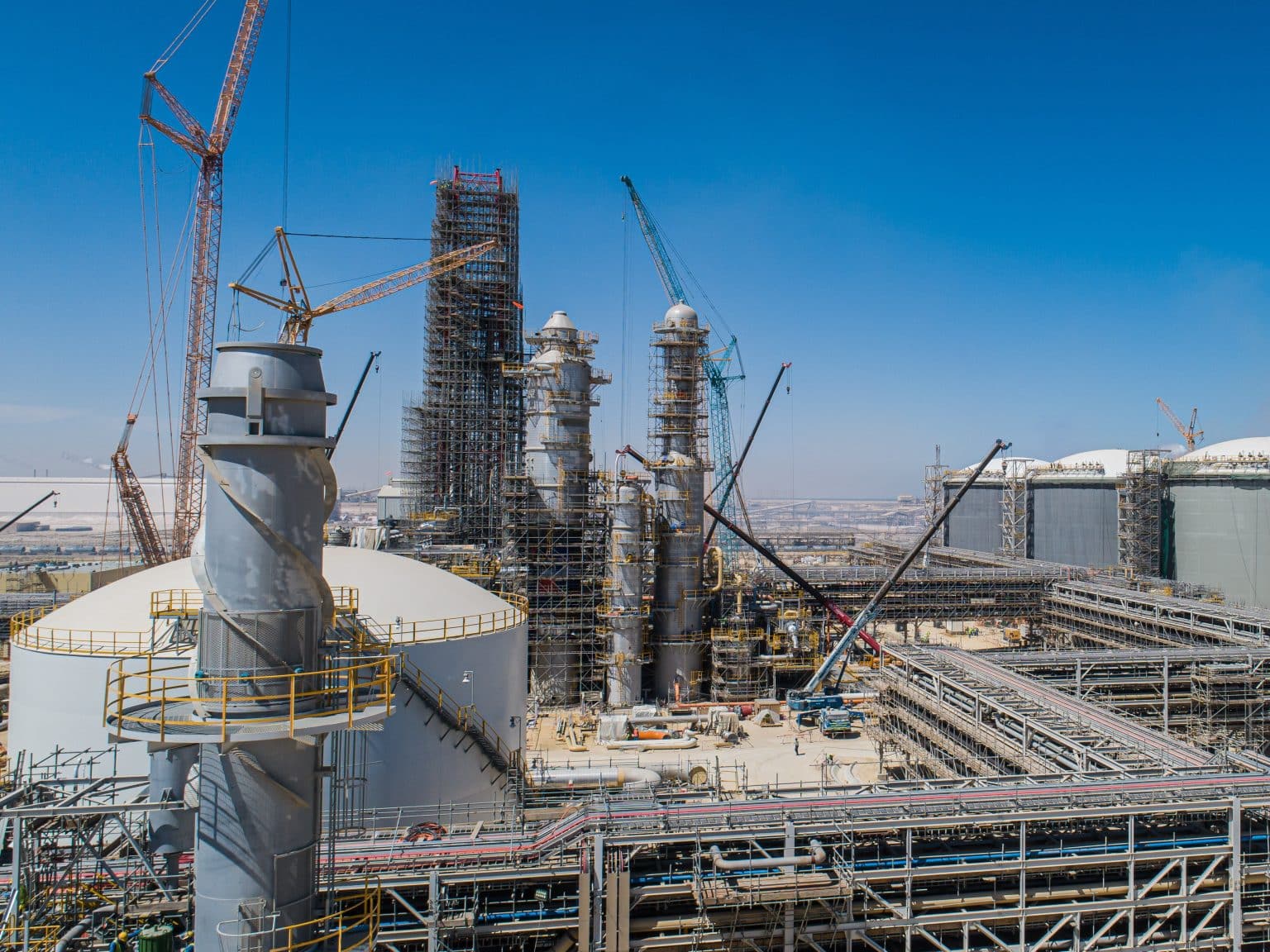
Elsewhere, Saudi Arabia is investing in a new sulphur handling facility at Ras Al-Khair Port on the country’s Eastern Province coast under a build-own-operate-transfer (BOOT) model. The facility is expected to have the capacity to receive, process, form and export up to 9,500 metric t/d of molten sulphur per day.
A resilience decision
Obviously producers will not be abandoning molten sulphur. A supplier with a reliable local acid customer, a short dedicated route and established heated infrastructure may have little reason to add forming solely for export optionality. Likewise, a formed product supply chain incurs its own capital, operating, storage and handling costs, while end users must remelt the material before it can be consumed.
The stronger conclusion is that forming becomes more attractive where a producer needs to manage uncertainty. That may include remote location, international sales, multiple customers, variable offtake, limited local acid demand, intermittent shipping access or a need to build inventory without compromising upstream operations. Under those conditions, the value lies in the ability to separate recovery from immediate transport and sale.
For Gulf-linked exporters, the current Strait of Hormuz situation provides an additional illustration of this value. Formed sulphur cannot remove the fundamental exposure to maritime disruption. It can, however, give a producer more choices before and after the transit: more capacity to hold product, more potential shipping and terminal options, and more scope to alter the timing or destination of a cargo. Those are the characteristics that make solid sulphur a logistics tool – and, in a disrupted market, a potential source of operational resilience.