• Skip to main content

    Latin America

    ATOME picks Sungrow Hydrogen for Villeta

    Written by Natalie Noor-Drugan


    ATOME has appointed Sungrow Hydrogen as electrolyser supplier for its 260,000 t/y low‑carbon Calcium Ammonium Nitrate (CAN) project at Villeta, Paraguay, adding another core technology partner to the $665 million fertiliser scheme. The decision follows FID in March and fits ATOME’s strategy of locking in bankable, industrial‑scale suppliers across the whole value chain from power through to product.

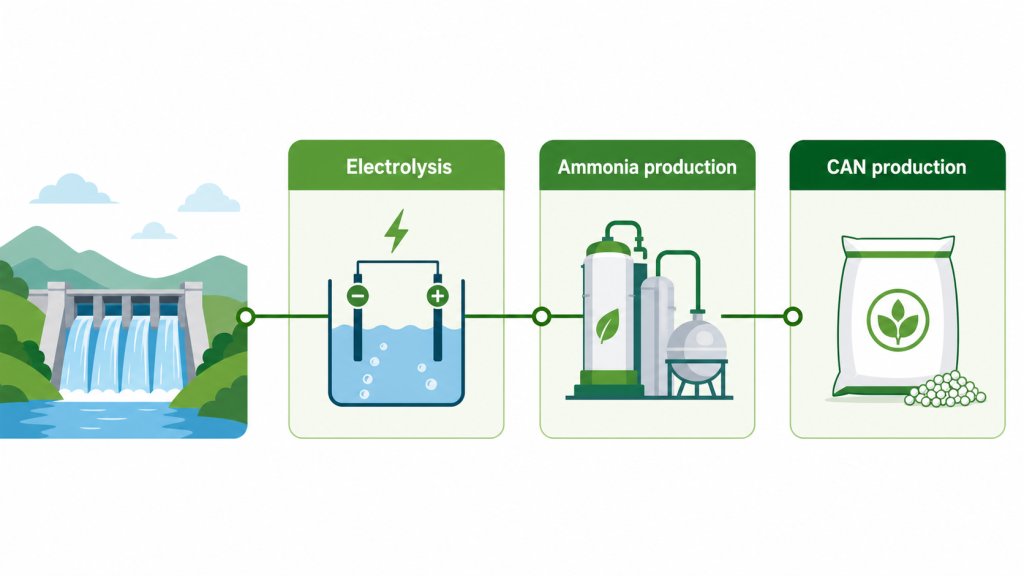
    After a competitive tender run by Casale, ATOME’s EPC partner for Villeta, Sungrow was selected to provide 110 MW of alkaline electrolysers for the plant. The units will run on 100% renewable baseload hydropower from the Itaipu Dam via Paraguay’s grid, producing green hydrogen for Casale‑designed ammonia and downstream nitric acid/CAN units. The electrolyser contract includes a long‑term service agreement, giving lenders and sponsors additional comfort on availability and lifecycle performance.
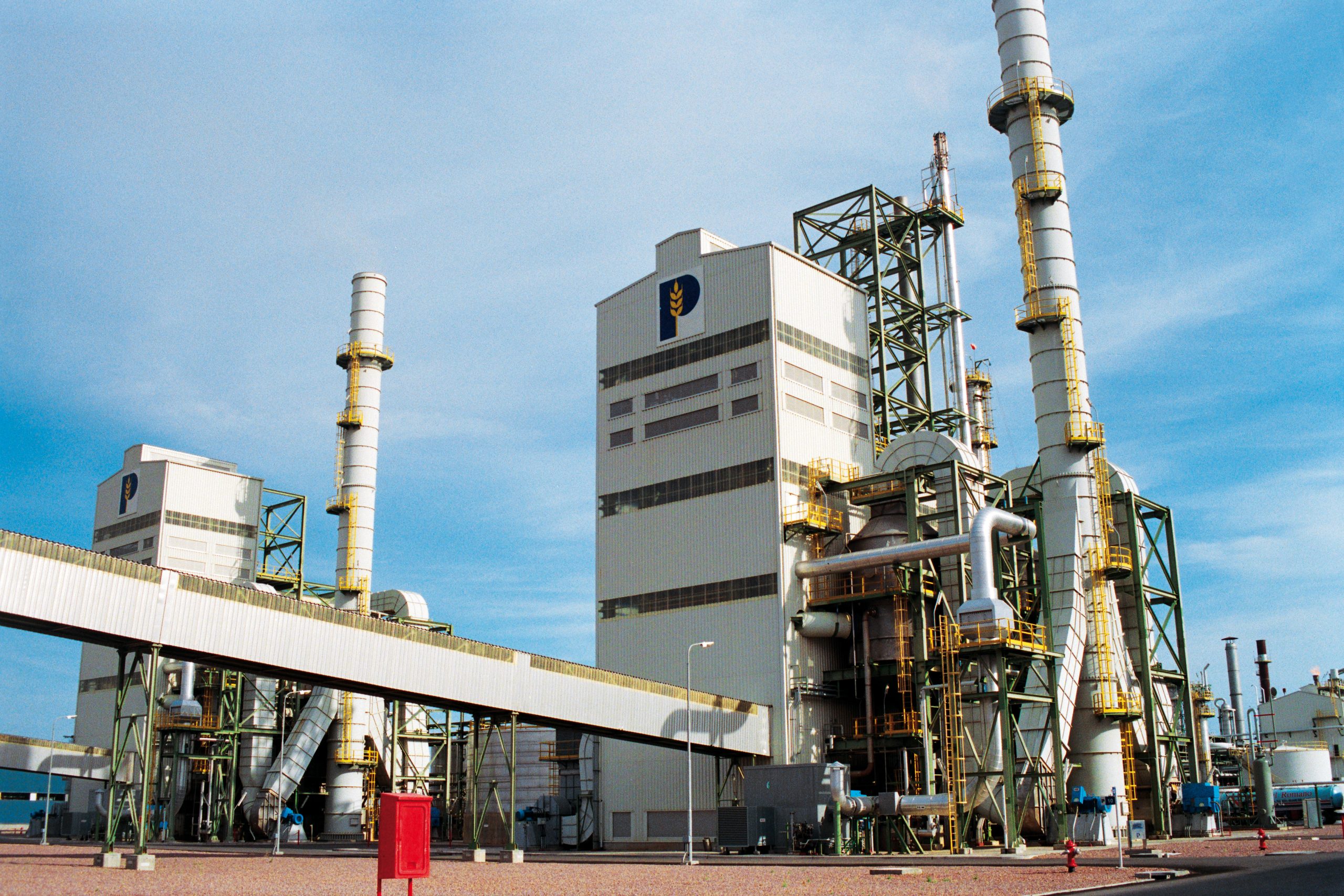
    ATOME said the Sungrow award is intended as the start of a longer‑term strategic partnership, with further projects already under discussion. Together with Casale’s fixed‑price EPC role and the direct equity stakes taken by Casale and Baker Hughes, the company positions Villeta as a “one‑stop‑shop” platform where technology, construction and funding partners are aligned under a single industrial blueprint for green fertiliser. Sungrow Hydrogen, part of Sungrow Power Supply, manufactures alkaline and PEM electrolysers and reports reference projects across Africa, China, Europe and the Middle East, adding a global OEM to Villeta’s line‑up.

    Latest in Latin America

    Petrobras to resume construction at Tres Lagoas

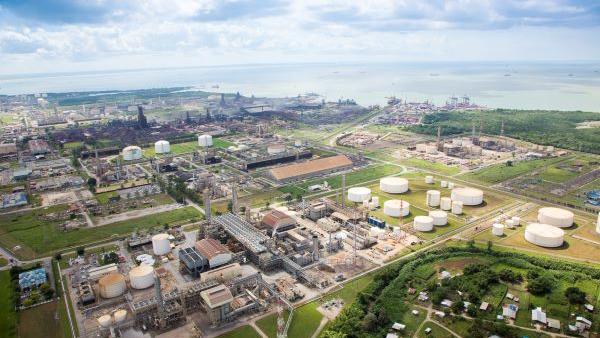
    Petrobras PBR has said that it plans to restart construction of the long-delayed UFN-III fertilizer plant in Três Lagoas, Mato Grosso do Sul, with work at the site expected to resume by September. UFN-III, with a planned capacity of 2,200 t/d of ammonia and 3,600 t/d of urea, was partially completed in the 2010s, but the site has been inactive and unfinished since 2015. Petrobras now intends to complete the project with an estimated investment of $1 billion, targeting commercial operations by 2029. The site was chosen as it was strategically positioned near several of Brazil’s largest agribusiness regions, including Mato Grosso, Mato Grosso do Sul, Goiás, Paraná and São Paulo.