Nitrogen+Syngas 397 Sep-Oct 2025

15 September 2025



Nitrogen+Syngas 397 Sep-Oct 2025
15 September 2025
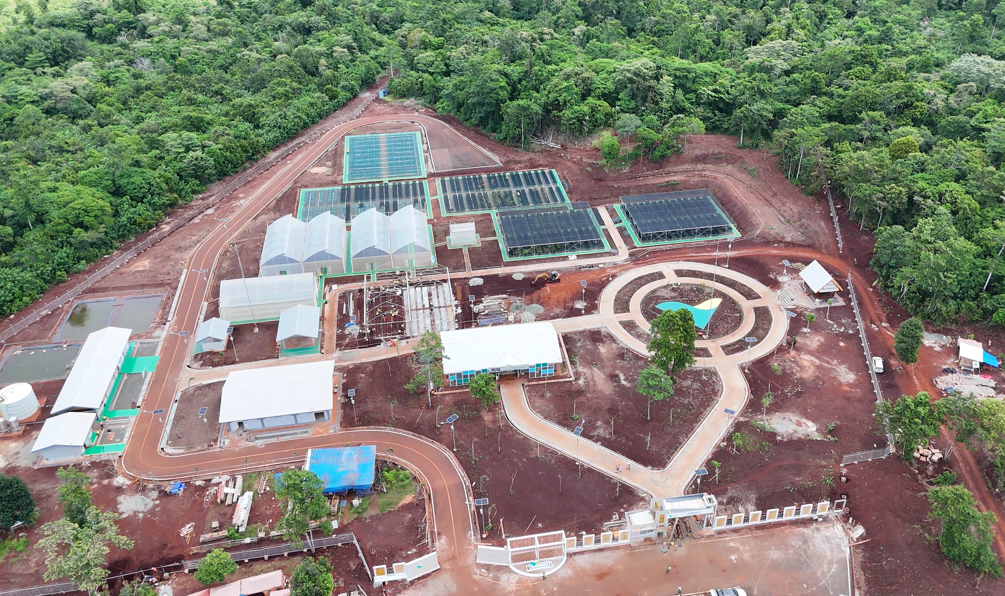
PT Vale Indonesia and Huayou Cobalt say that they are considering constructing a rotary kiln smelting blast furnace in order to recover and reuse sulphur from tailings at their Pomalaa HPAL project in southeast Sulawesi. PT Vale president and CEO Bernardus Irmanto said that the proposal forms part of efforts to mitigate high sulphur costs […]
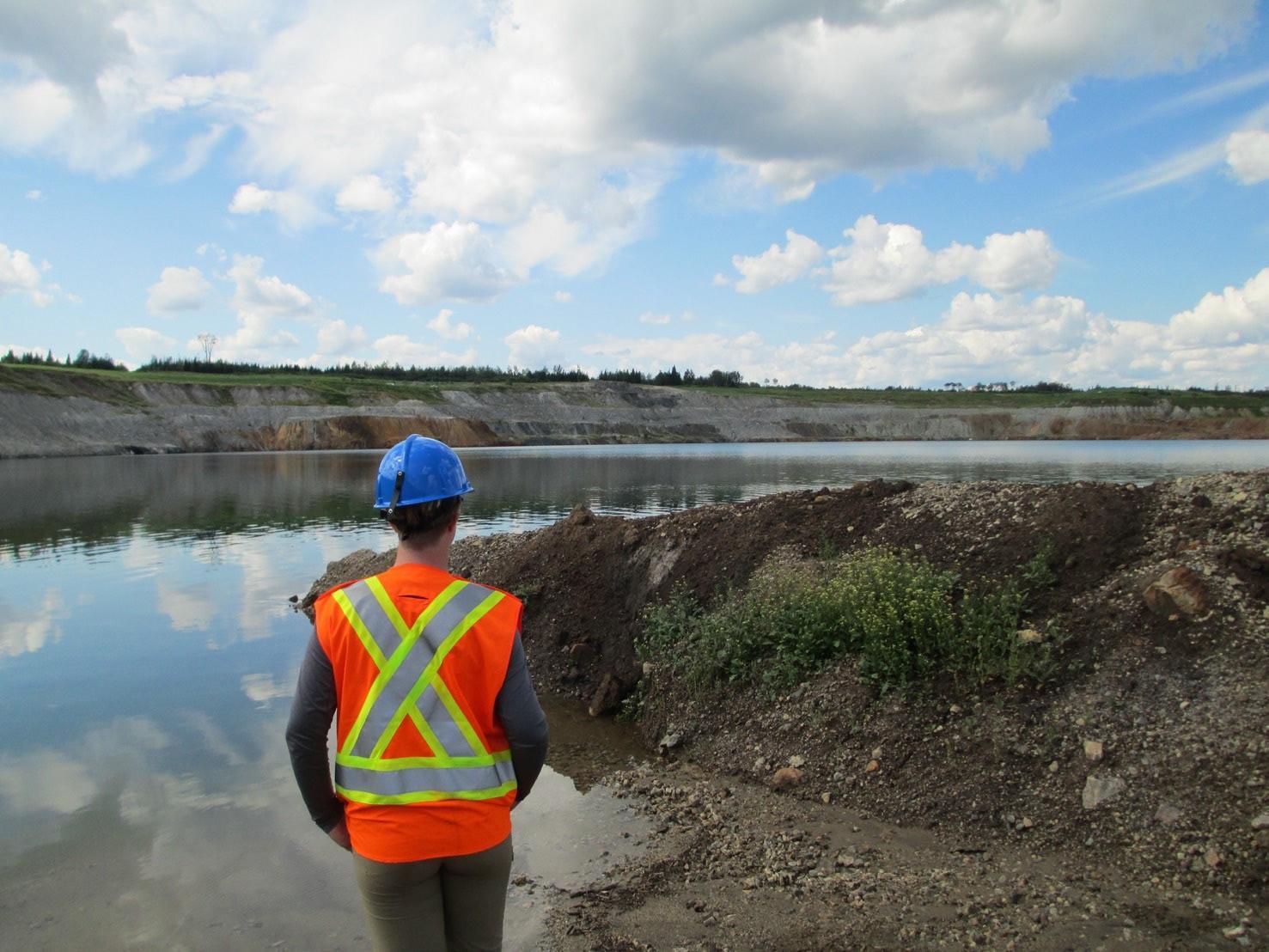
Developer KAP Minerals hopes the study will move the Northern Ontario phosphate, rare earths and strategic minerals project closer to commercial development.

Construction work has begun on what is claimed to be India's first port-based green methanol plant at the Deendayal Port Authority, Kandla, Gujarat state.
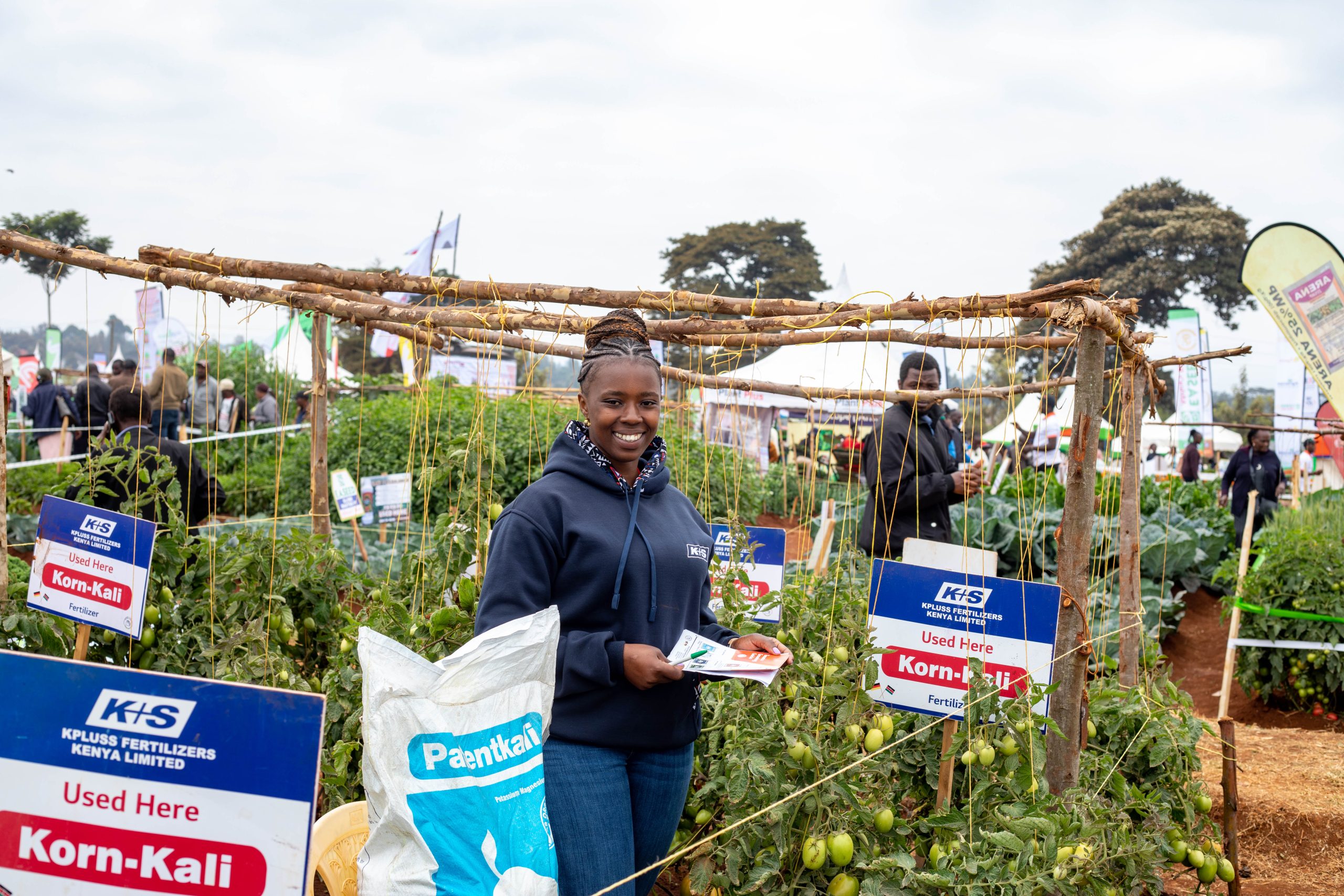
The ‘Grow Eastern Africa’ project aims to improve the livelihoods of smallholder farmers by delivering higher yields and promoting climate-smart farming practices.

Topsoe has signed a contract with international energy company Uniper, to deliver front end engineering design (FEED) for the company’s NorthStarH2 green methanol project in Östersund, Northern Sweden.