Fertilizer International 526 May-Jun 2025

6 May 2025
OCP Nutricrops unveils nine million tonne production boost
OCP Group subsidiary OCP Nutricrops has announced a major investment to expand its phosphate fertilizer production capacity by nine million tonnes by 2028.
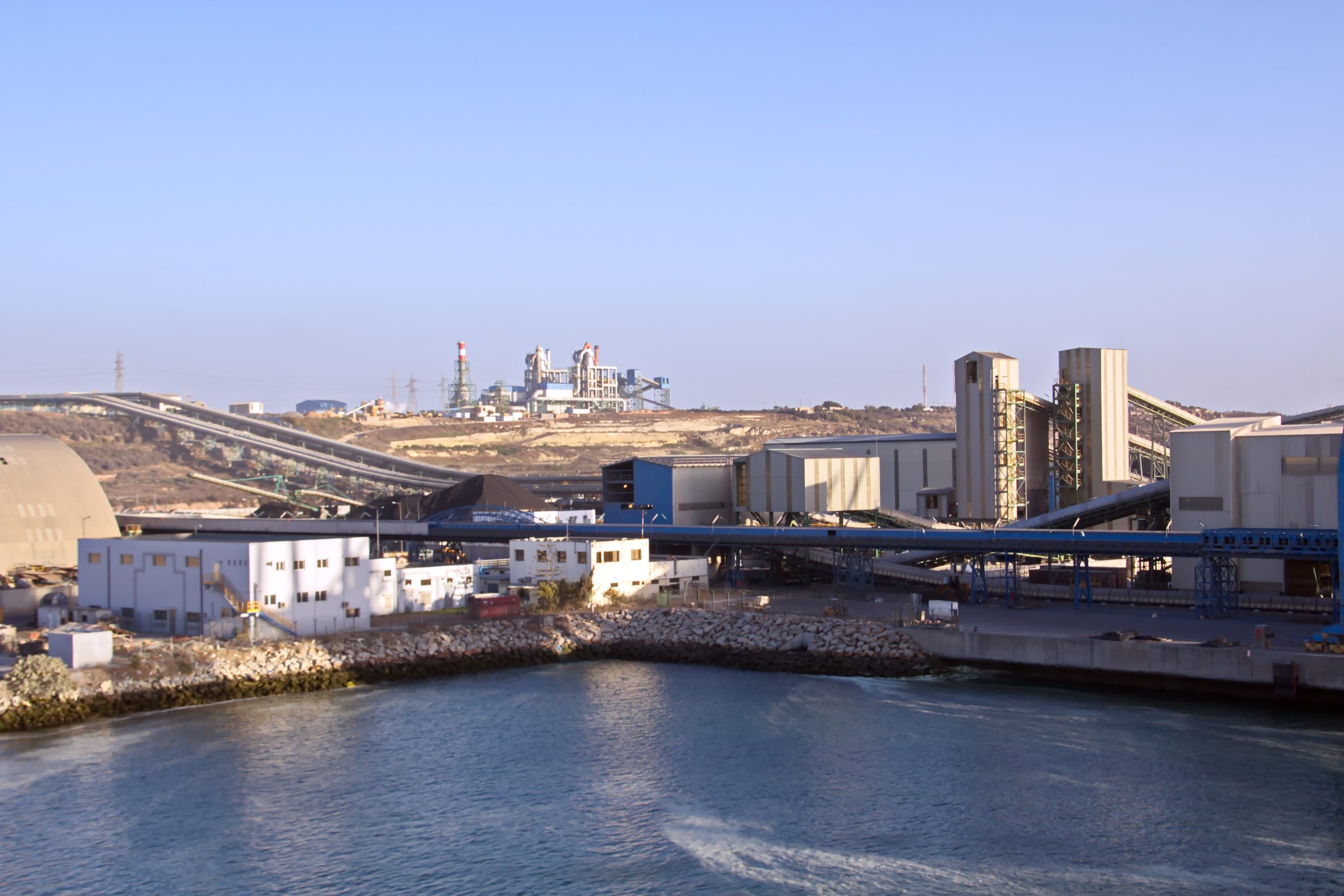
The company will achieve this by developing two new mining and industrial hubs in Morocco, at Mzinda in Youssoufia and Meskala in Essaouira, respectively. These will incorporate cutting-edge ‘Industry 5.0’ technologies, artificial intelligence and automation, according to OCP Nutricrops.
The two new production centres will also run exclusively on renewable energy (solar and wind) and consume non-conventional water sources, such as desalinated water and treated wastewater. The adoption of a modular, scalable design also means their production output – principally triple superphosphate (TSP) – can be adjusted in response to fluctuating market demand and the needs of farmers worldwide.
“These facilities, integrating cutting-edge technology and sustainability principles, will progressively increase fertilizer production capacity by 9 million tons by 2028 (notably TSP and TSP+), with 4.5 million tons expected as early as 2026,” OCP Nutricrops said in a statement.
The newly announced investment forms part of OCP’s strategic programme for Mzinda-Meskala (SP2M). This is designed to significantly increase OCP Group’s production capacity while strengthening its competitiveness and commitment to carbon neutrality by 2040.
To help deliver the expansion programme, OCP Nutricrops is working with key partners, such as Mohammed VI Polytechnic University (UM6P), INNOVX, and JESA, to develop local and international partnerships in green energy, the circular economy and Industry 5.0.