Nitrogen+Syngas 394 Mar-Apr 2025

19 March 2025



Nitrogen+Syngas 394 Mar-Apr 2025
19 March 2025

Russia’s Yefremovazot plans to build a chemical production complex in Yefremov in the country’s Tula region, domestic news agency Interfax reported on 5th October. The proposed facility will produce ammonia, urea, monoethylene glycol (MEG) and methanol. The plans were outlined in public consultation documents for a pipeline connecting the site to gas major Gazprom’s domestic […]
The importance of mineral fertilizers to crop yields and global food security is only understood by around a fifth of US citizens, according to new polling data.
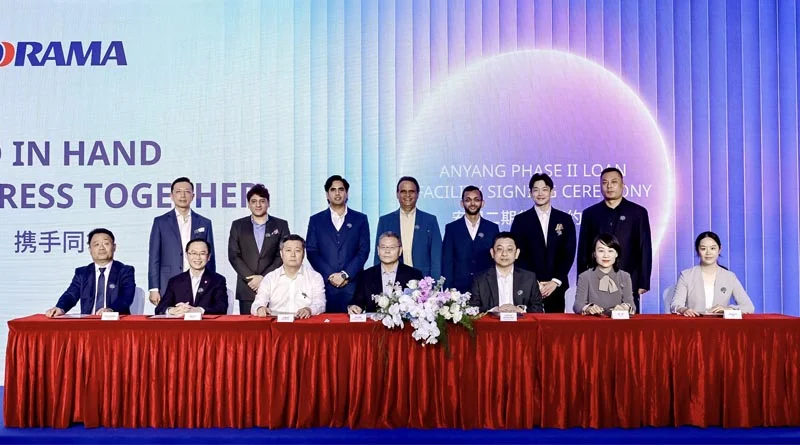
Singapore’s Anyang Indorama Gases, a subsidiary of Indorama Corporation has signed an RMB 2.4 billion ($358 million) long-term loan with a consortium of five Chinese banks to finance the expansion of its fertilizer plant in Anyang City, China.

Nextchem will provide the urea production technology for a new 3,150 t/d urea plant in China. As part of the deal, the company will provide the technology license, process design package and proprietary equipment through its nitrogen technology licensor Stamicarbon. The project will be based on Nextchem’s proprietary NX STAMI™ technology for urea production, which […]
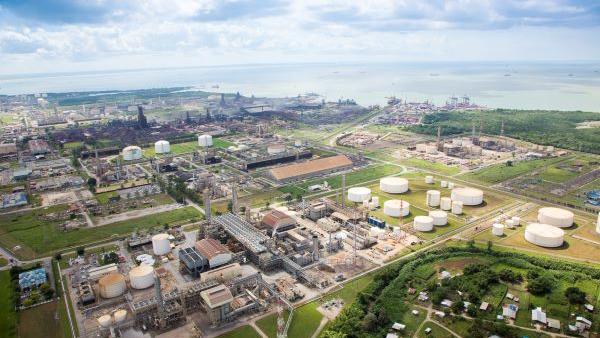
Nutrien Ltd has announced that it will “indefinitely” shut down its Trinidad Nitrogen operations at the Point Lisas site due to ongoing natural gas constraints and uncertainty over gas supplies. The company says that, following an “extensive review” of alternatives, it has determined that this is “the optimal path” to enhance free cash flow and […]