Nitrogen+Syngas 401 May-Jun 2026

20 May 2026



Nitrogen+Syngas 401 May-Jun 2026
20 May 2026
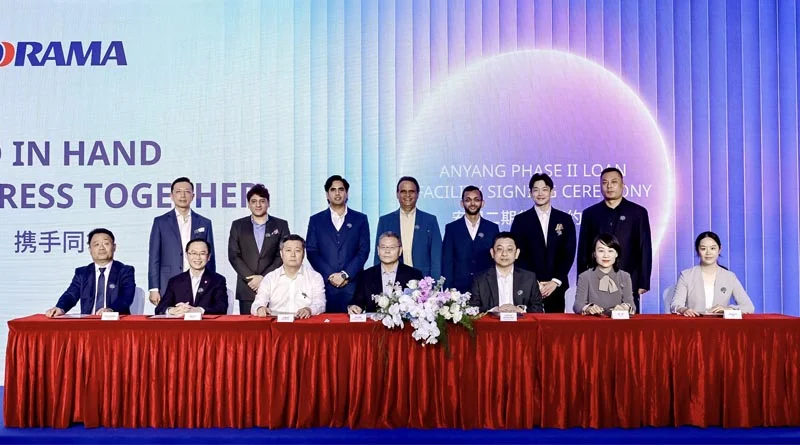
Singapore’s Anyang Indorama Gases, a subsidiary of Indorama Corporation has signed an RMB 2.4 billion ($358 million) long-term loan with a consortium of five Chinese banks to finance the expansion of its fertilizer plant in Anyang City, China. The expansion is set to double the company’s urea fertilizer capacity to around 2 million t/a by […]

Nextchem will provide the urea production technology for a new 3,150 t/d urea plant in China. As part of the deal, the company will provide the technology license, process design package and proprietary equipment through its nitrogen technology licensor Stamicarbon. The project will be based on Nextchem’s proprietary NX STAMI™ technology for urea production, which […]
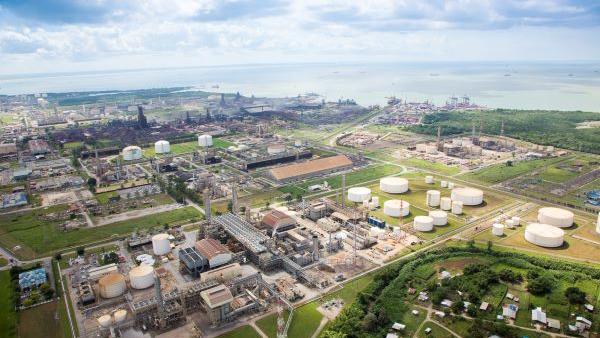
Nutrien Ltd has announced that it will “indefinitely” shut down its Trinidad Nitrogen operations at the Point Lisas site due to ongoing natural gas constraints and uncertainty over gas supplies. The company says that, following an “extensive review” of alternatives, it has determined that this is “the optimal path” to enhance free cash flow and […]
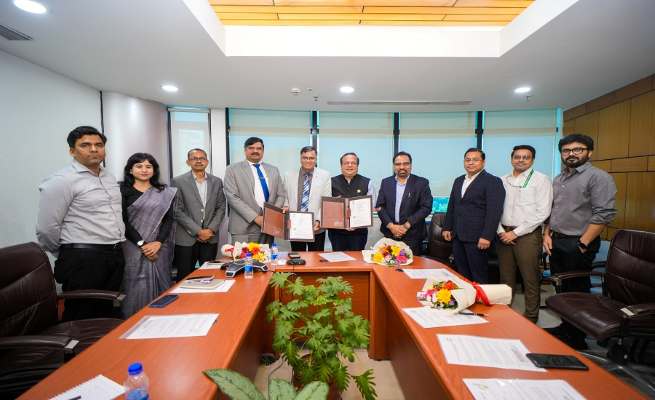
State run companies Coal India Limited (CIL) and Hindustan Urvarak and Rasayan Ltd (HURL) have signed a memorandum of understanding (MoU) to explore setting up a coal gasification-based ammonia-urea plant at HURL’s Sindri site in Jharkhand state. HURL currently operates an ammonia-urea plant with 2,200 t/d of ammonia and 3,850 t/d of urea capacity at […]
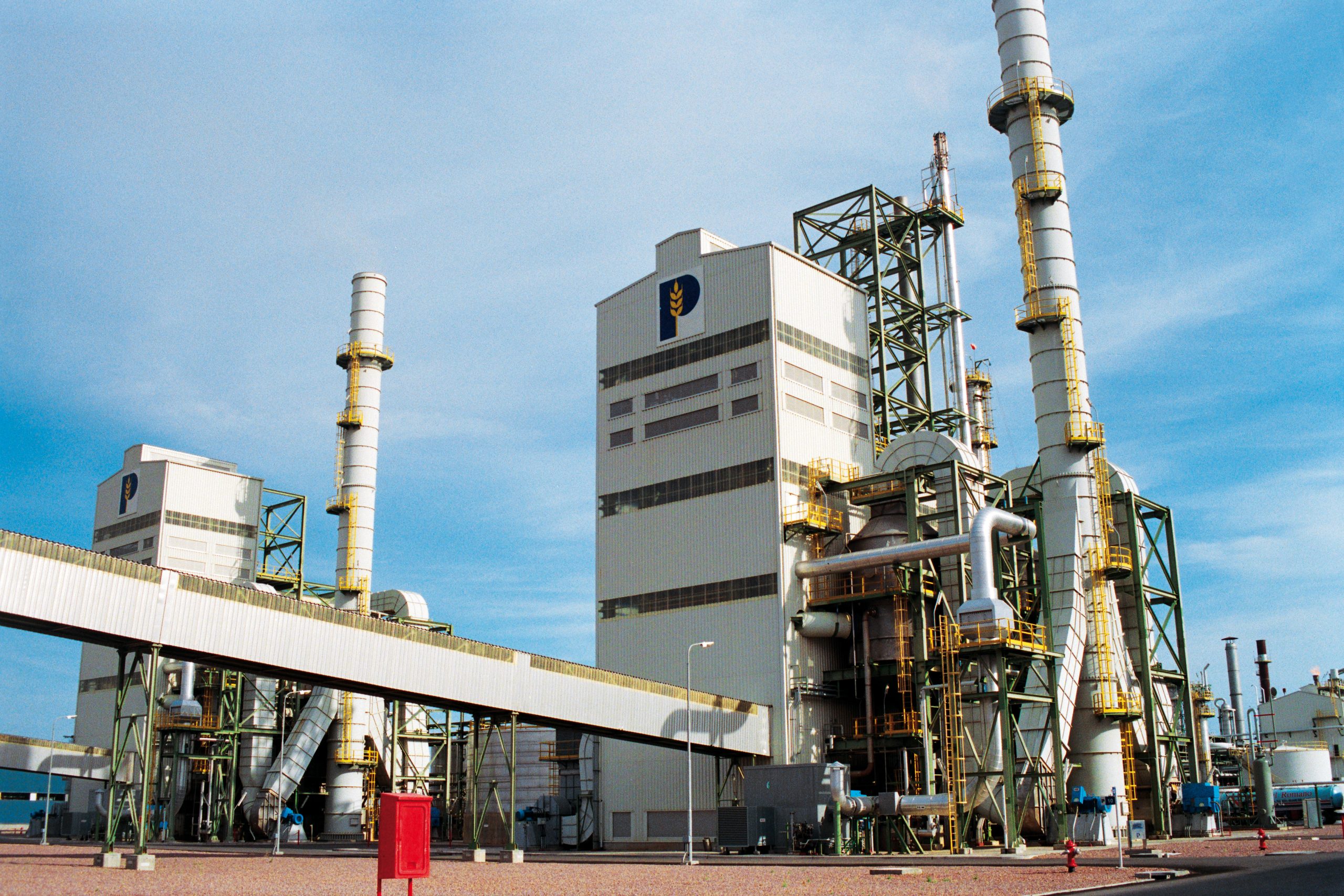
Profertil SA has awarded Saipem, working in partnership with Techint Engineering & Construction, to provide technical evaluation and design services for a planned expansion of its fertilizer complex in Bahia Blanca, Argentina. Announced on September 29, the project involves a new ammonia-urea plant with a final urea capacity of 4,450 t/d. It will integrate […]