Oceania

7 July 2026
Ryowa takes over Phosphate Hill fertilizer complex
Written by Natalie Noor-Drugan
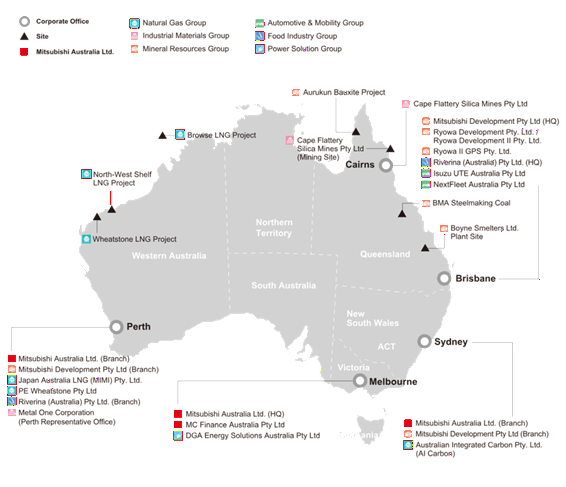
Ryowa II GPS Pty Ltd, a Queensland-based investment company and wholly owned subsidiary of Mayfair Australia Corporation, has taken over Dyno Nobel’s Phosphate Hill fertilizer complex in North-West Queensland, positioning itself as the new long-term owner of one of Australia’s major DAP/MAP production sites. Ryowa II GPS forms part of Mitsubishi Corporation’s Australian group companies, supplying electricity to Boyne Smelters and other power users, which places the new owner firmly within a long-established Japanese trading house presence in Australian heavy industry.
Under the deal, Ryowa has bought Phosphate Hill as a going concern, taking on the economic risk and benefit of the operation and assuming all operational and environmental liabilities. This means the acquisition is about operating and sustaining the complex rather than closing it or stripping assets. Phosphate Hill is a critical domestic source of DAP and MAP for Australian farmers and a key outlet for sulphuric acid and gas from Glencore’s Mt Isa smelter, tying Ryowa’s investment into both fertilizer production and regional industrial supply chains.

For Phosphate Hill itself, the sale marks a turning point away from a threatened closure towards continuity under new ownership. Dyno Nobel had previously warned that the complex could be shut by late 2026 if no buyer emerged, but the transaction means production is expected to continue, safeguarding around 540 jobs and keeping a local source of fertilizer in place for the domestic market. Dyno Nobel has described the agreement as a responsible transfer that protects the North-West Queensland community, while Ryowa, backed by Mitsubishi’s wider industrial footprint, becomes the decision maker on future investment, maintenance and potential upgrades at the site.
In practical terms, Phosphate Hill will keep producing DAP and MAP under Ryowa’s stewardship, with the new owner taking on the task of navigating volatile sulphur prices and wider geopolitical risks that affect input costs. The shift in ownership secures an important asset for the regional economy and the fertilizer supply chain, ensuring that Phosphate Hill remains an operational production hub rather than a candidate for early closure, now supported by a group with existing experience in Australian industrial energy and smelting related businesses.
This sale also represents the final step in Dyno Nobel’s separation from fertilizers, completing its transition into a pure play global explosives business and closing the chapter on its direct involvement in fertilizer manufacturing while leaving Phosphate Hill’s future in the hands of Ryowa and the wider Mitsubishi group.