Sulphur 417 Mar-Apr 2025
MOL co-produces HVO and SAF


HUNGARY

MOL co-produces HVO and SAF

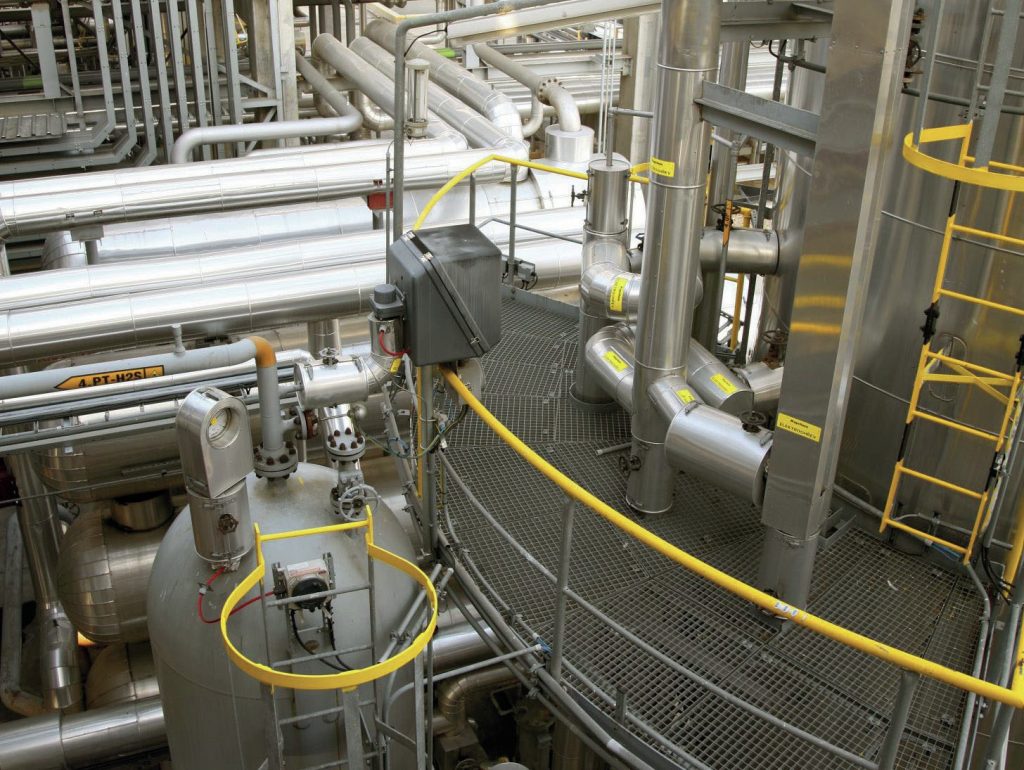
MOL’s Bratislava refinery

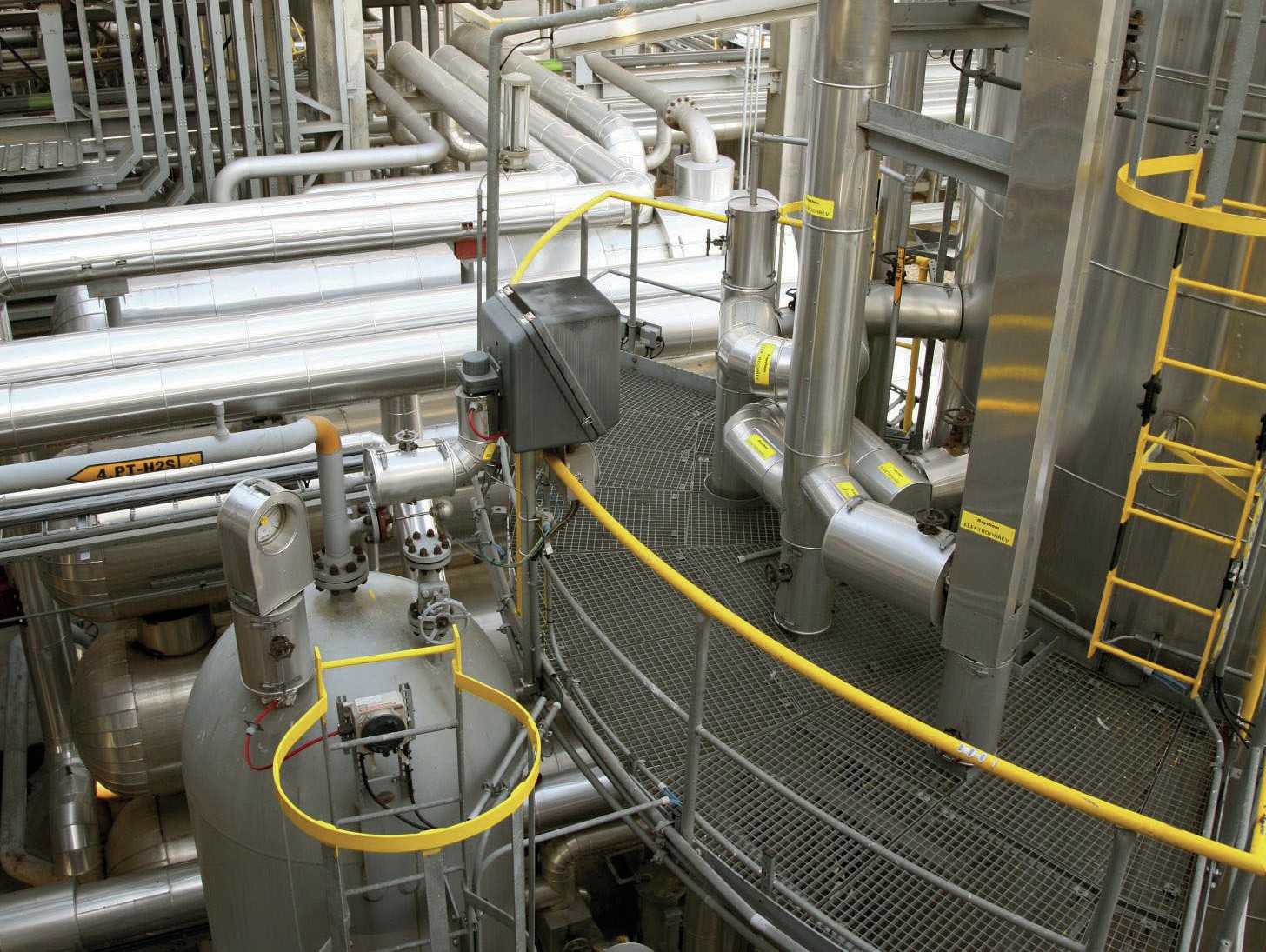
MOL Group has produced a diesel fuel containing hydrotreated vegetable oil (HVO), and sustainable aviation fuel (SAF) at the Slovnaft refinery in Bratislava. The HVO was produced using oil from cashew nut shells and the biocomponent produced this way was processed together with crude oil. MOL has already been using co-processing at its Danube Refinery in Százhalombatta for some years, mixing plant residues, as the bio and fossil fuel components are processed simultaneously during production. The SAF at Bratislava was also produced via co-processing, using partially refined cooking oil together with more traditional raw materials.

“We are technologically ready to produce biodiesel of vegetable origin as well as sustainable aviation fuel. This could open a new chapter in the sustainable efforts of MOL Group: we offer our customers an increasing variety and quantity of fuels, thus contributing to the smart energy transition as well,” said Csaba Zsótér, Senior Vice President, Fuels at MOL Group.
Latest in Decarbonisation

Proton Ventures joins Barents Clean Ammonia project

Barents Blue AS has announced Proton Ventures as a new partner in the Barents Clean Ammonia Project (project formerly known as the Barents Blue project). Barents Blue says that the Dutch engineering and project development company, a pioneer in the clean ammonia industry, “will bring significant resources and industry expertise to the project and the value chain for clean ammonia, important for the realisation of Europe’s largest clean ammonia production plant located in Finnmark, Northern Norway”.

Dynamic green ammonia plant starts operations

A consortium including Danish companies Skovgaard Energy, Topsoe and Vestas says that it has reached an important milestone with the startup of operations in what they describe as the world’s first-of-its-kind green ammonia plant. The plant, owned by Skovgaard Energy and located in Ramme Denmark, is a demonstrator for a dynamic approach to green ammonia production, which means that the plant will adapt to the inherent fluctuations in power output from the renewable power sources in integration with the plant’s electrolysis and ammonia synthesis loop. This, say the developers, will ensure optimal production and improve the cost-effectiveness of green ammonia, ensuring less need for costly storage solutions of green hydrogen or renewable power. Production capacity is 5,000 t/a of green ammonia, with an associated CO2 reduction of 9,600 t/a. The partnership has received euro 11 million in funding from the Danish Energy Technology Development and Demonstration Program (EUDP).