Sulphur dust suppression
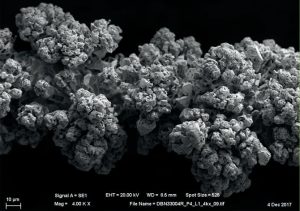
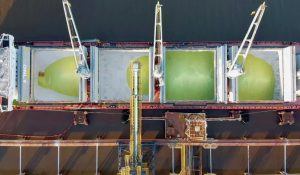
Sulphur dust is one of the greatest hazards when producing and handling solid sulphur, and methods for its suppression are vitally important to prevent fire and explosion.
Gasification, particularly of waste and biomass, is seeing interest as sustainable sources of syngas. But there are both technical and commercial challenges to wider adoption.
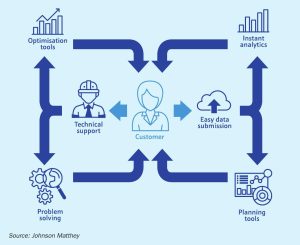
Combining a deep scientific knowledge, engineering and field experience with state-of-the art technology, Johnson Matthey is proud to introduce its next generation of digital simulation tools via its JM-LEVO™ digital portals to further support customers in achieving their operational and sustainability targets.
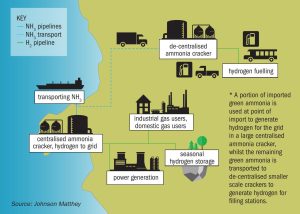
Advances in clean hydrogen and ammonia production is fuelling worldwide interest in a new market for hydrogen and ammonia to provide a reliable low-carbon energy future. Ammonia cracking, the dissociation of ammonia back into hydrogen, delivers a pathway to large-scale sustainable hydrogen production. In this article KBR, Johnson Matthey, thyssenkrupp Uhde, Duiker, Proton Ventures and Casale report on their technologies and approaches to ammonia cracking in a low carbon economy.
New methods for low-carbon ammonia production are emerging, while project activity is also rising rapidly.
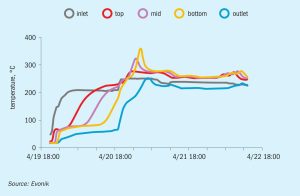
Evonik explores the development of catalyst reuse and how recycled hydroprocessing catalysts can be successfully applied in tail gas treating units to deliver cost and performance gains.
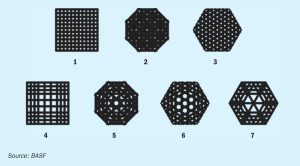
BASF is challenging traditional catalyst shapes and performance relationships using 3D-printing technology and is using sulphuric acid catalysts as the pilot to pioneer new ground.
Arafura Rare Earths Ltd has awarded Worley subsidiary Chemetics Inc the contract to install Chemetics CORE-SO2™ sulphuric acid technology at its Nolans Project in the Northern Territory of Australia. The scope of the contract is to deliver the detailed engineering and supply of the sulphuric acid plant plus associated oxygen plant on a lump sum basis. The acid plant at Arafura’s Nolans Project will be designed to meet future emission performance and clean energy transition goals, utilising CORE-SO2’s high turndown capability and the potential to idle the plant while keeping the catalyst warm for extended periods of time, allowing the acid plant to operate with 95% reduced SO 2 emissions when compared to traditional double contact double absorption (DCDA) plants. High pressure steam production within the process will allow CO 2 - free electrical power to be generated. By removing the use of a diesel or natural gas start-up burner, further greenhouse gas emissions will be prevented.
Previously, recuperative reforming has been mostly applied for capacity increase revamps, but nowadays it is a key enabler for efficient low carbon hydrogen and syngas production. Jan-Jaap Riegman of Technip Energies, Francesco Baratto of Casale and Stefan Gebert of Clariant discuss the benefits of recuperative reforming for reducing the carbon footprint of existing assets.
The steam methane reformer is at the heart of most world-scale synthesis gas plants for ammonia, methanol or hydrogen production, and its optimum performance will maximise plant production and efficiency. This article studies the wide variety of parameters that need to be considered if a steam methane reformer is optimised.